The Northern Block’s Pennline Script
A 126-year-old typeface resurrection, pulsing with early Americana
In 1899, Philadelphia was one of the world’s most international cities—a hub of immigration, industry, publishing, and advertising. Its thriving print culture created fertile ground for Keystone Type Foundry, whose nickel-alloy typefaces helped shape the city’s identity.
Fast-forward to 2024. While scrolling Facebook, Senior Type Designer Tasos Varipatis encounters a post about Keystone’s long-admired but never-digitised Bulletin typeface. A 36-point metal specimen, preserved at the Nickel Plate Press in Pennsylvania, sparks an irresistible challenge: to revive Bulletin’s expressive, freehand character for the digital age.
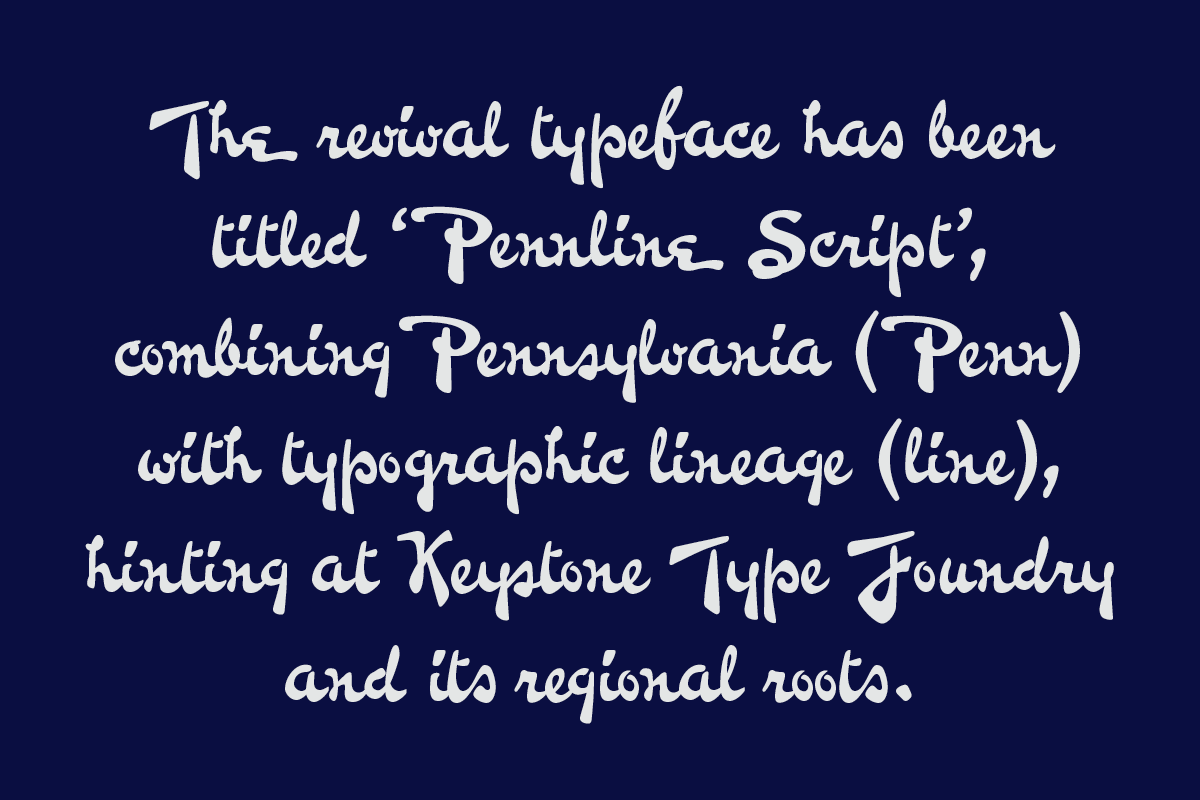
Tasos discovered only scarce traces of the original typeface. Yet Bulletin radiated a human rhythm that felt like the work of a single hand. His revival, named Pennline Script—combining ‘Pennsylvania’ with typographic ‘line’—honours its 1899 origins while giving it new life. Creating it meant six months of rigorous work: reimagining spacing, crafting missing glyphs, testing across platforms, and ensuring the script connected fluidly in modern contexts.
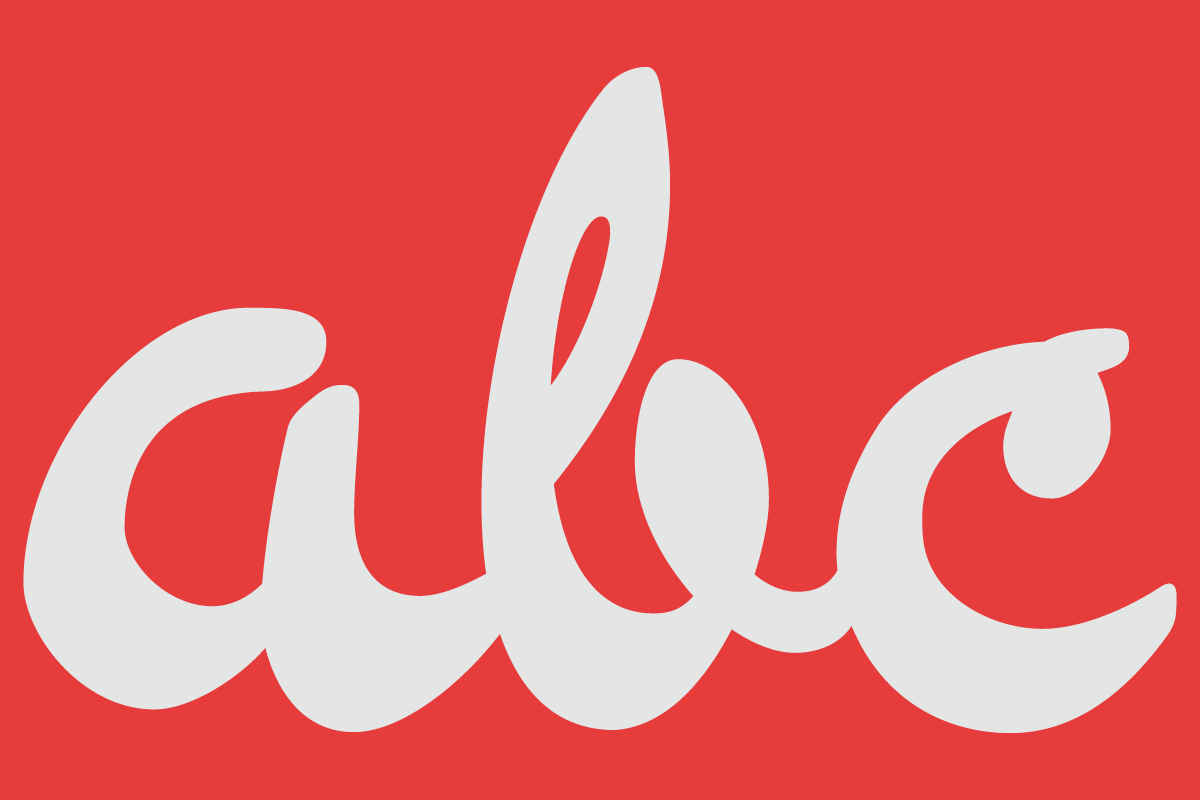
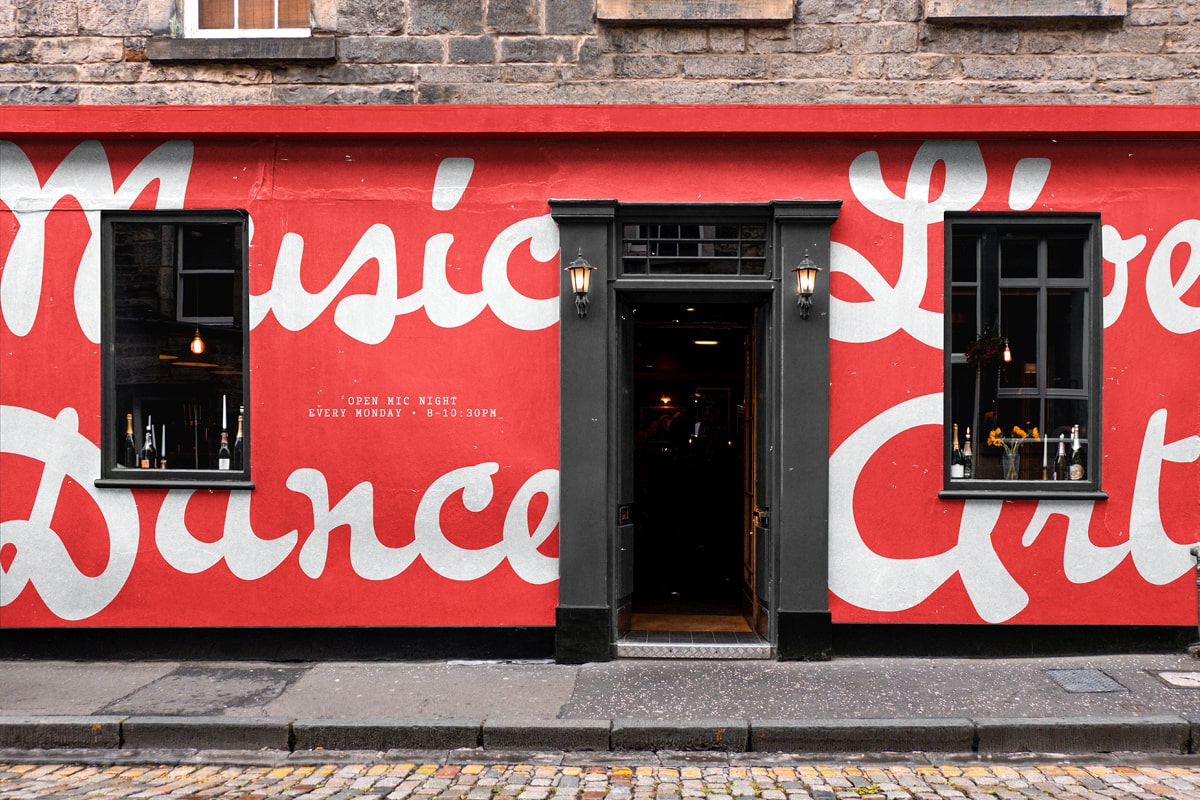
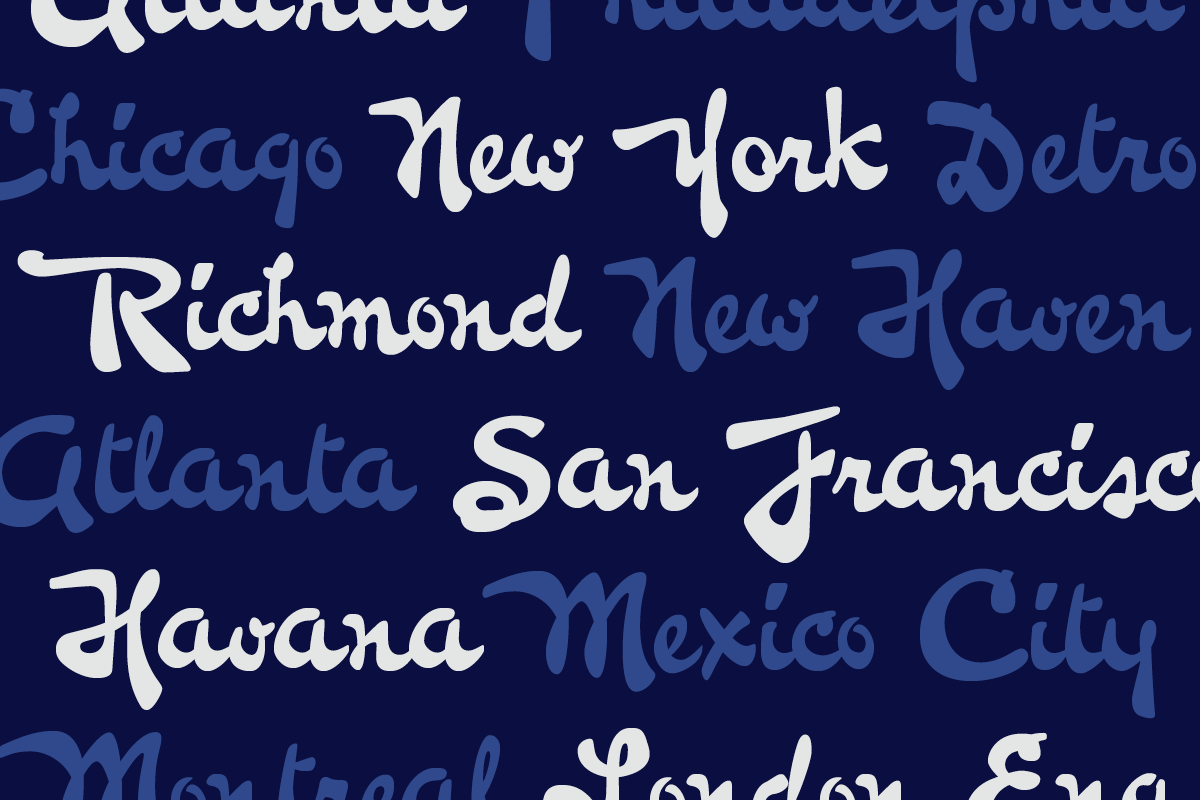
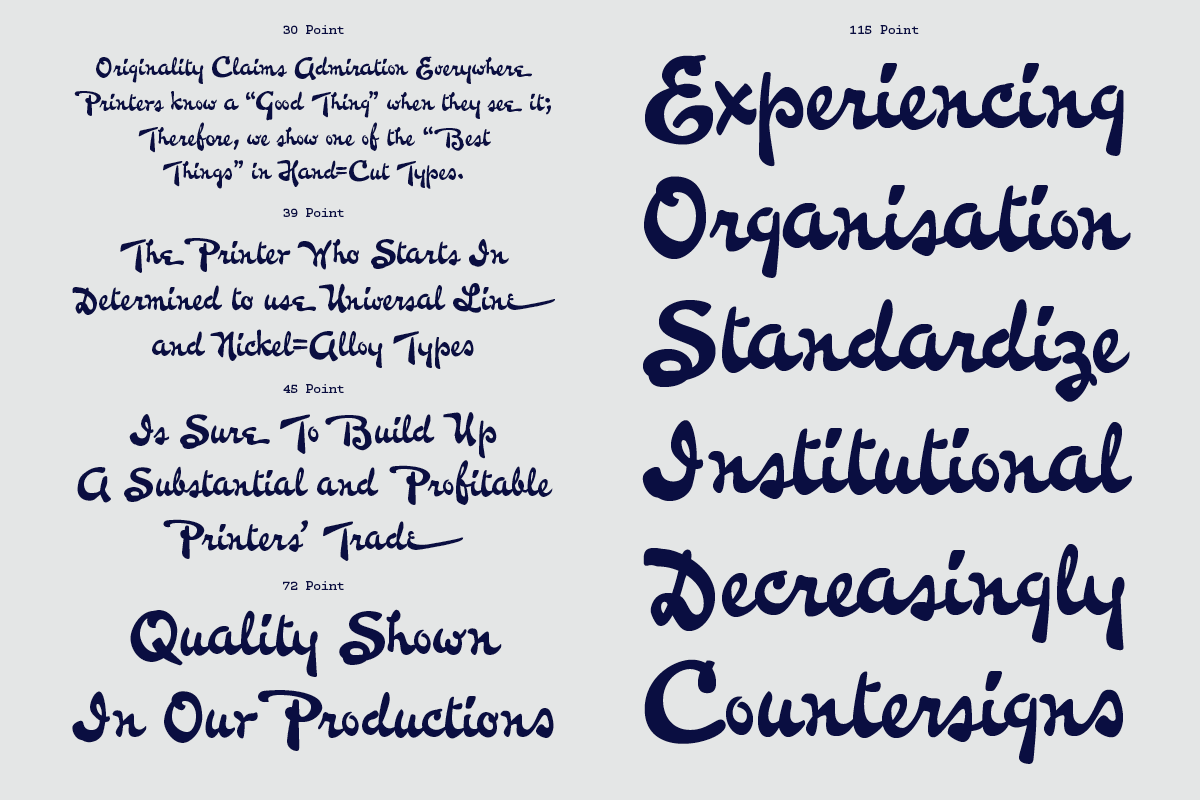
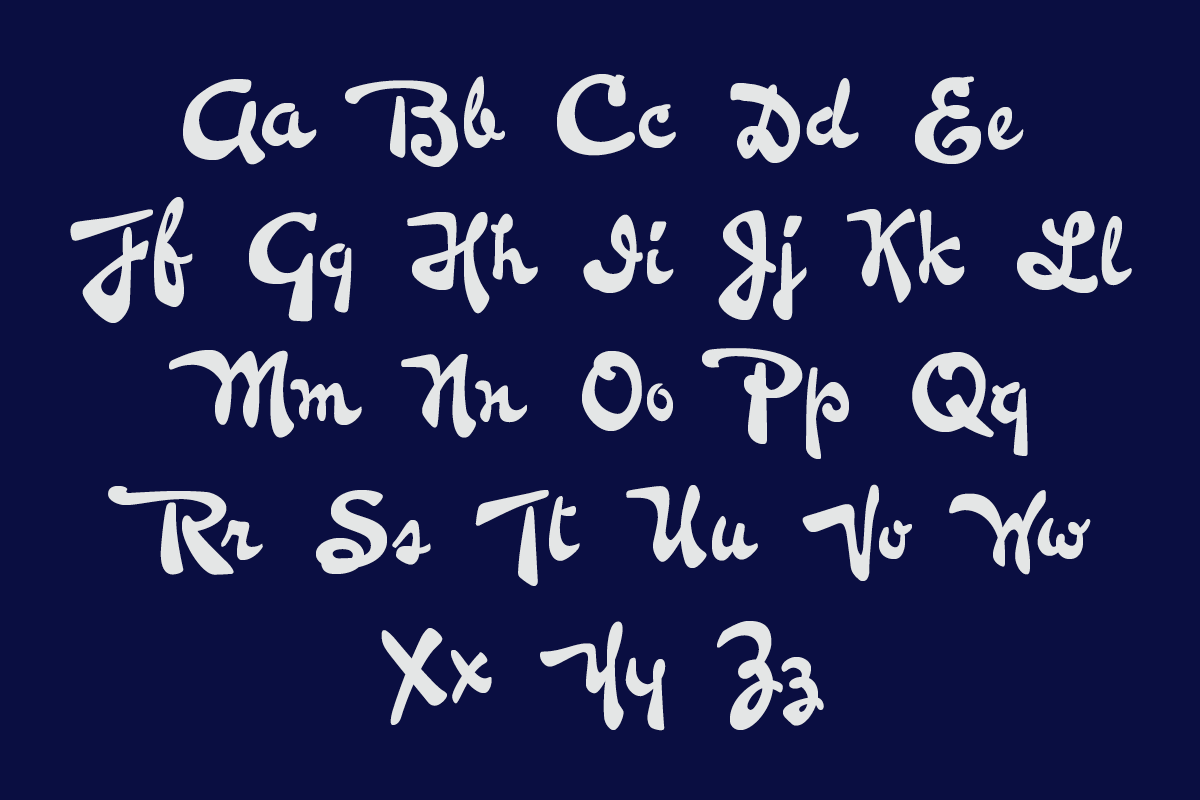
Pennline Script captures the irregular charm and contrasting rhythms of the original Bulletin. It is now expanded into a fully developed typeface with extensive OpenType features, over 1,050 characters, and support for 304 languages. Warm, expressive, and a little raw, it carries the jagged, ink-pooled energy of early hand-drawn scripts. It feels deeply human, nostalgic, and personal.
A century after its creation, Pennline Script stands as a respectful resurrection. It forms an emotional bridge between Philadelphia’s printing legacy and today’s digital world.