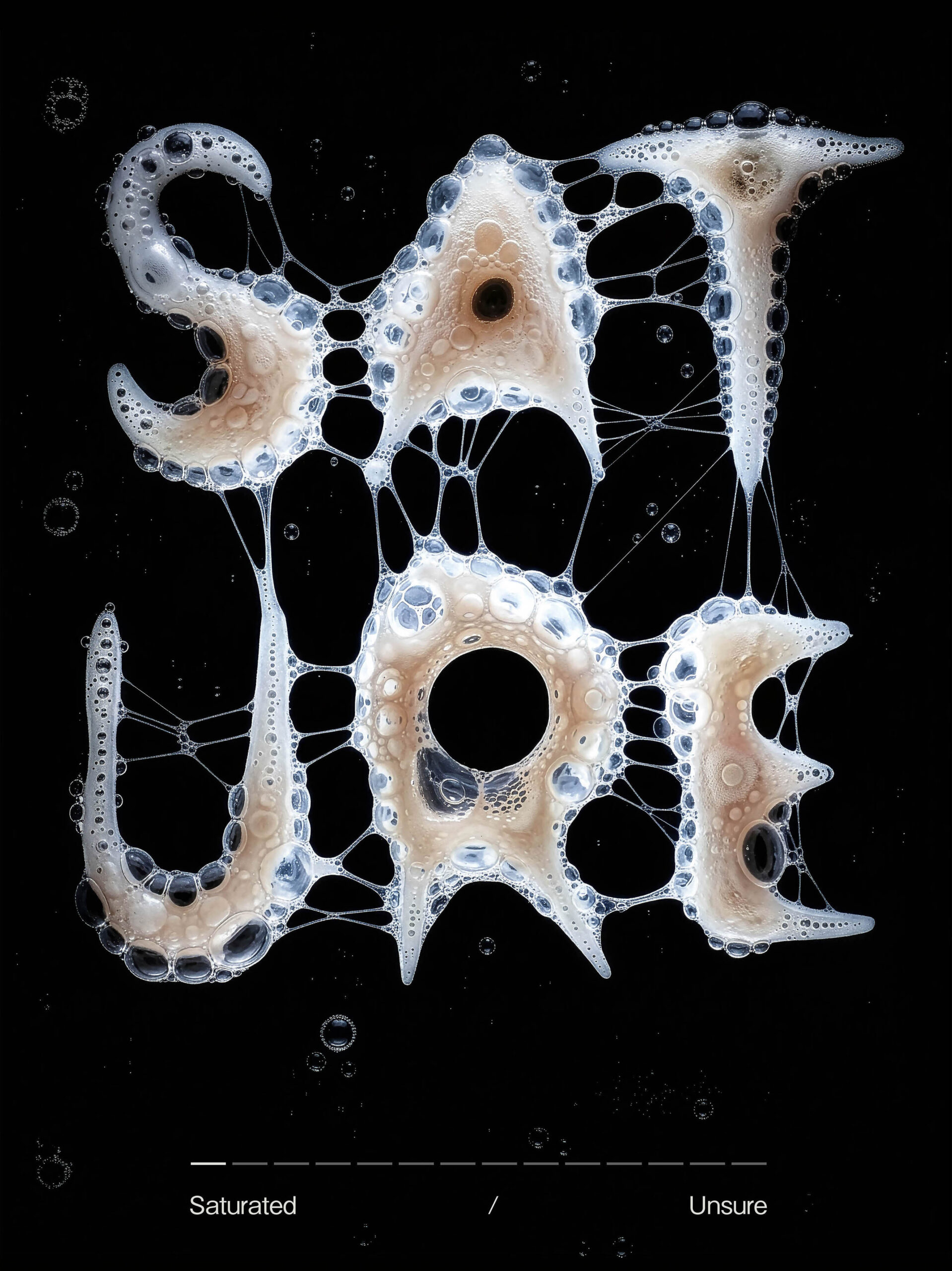
Experimental Typography by Hiroshi Imaeda (PENETRATE)
Visual explorations of structure, chaos, and bio-digital forms.
In an era where connection is effortless, intimacy often feels distant. Surrounded by countless digital voices, we may find ourselves more isolated than ever.
Hiroshi Imaeda is a Japanese graphic designer and art director whose practice spans brand communication and experimental visual research. After working at agencies in Nagoya and Tokyo and later at Interbrand Japan, he founded PENETRATE in 2016. He is a member of JAGDA (Japan Graphic Designers Association). While his background is rooted in branding, Imaeda’s work increasingly extends into critical and experimental territory. His projects reflect on the conditions of contemporary communication, where constant connectivity produces not only proximity, but also overload, fatigue, and emotional distance. Within this context, he investigates how meaning behaves under pressure—when signals accumulate, structures destabilize, and language begins to lose clarity.
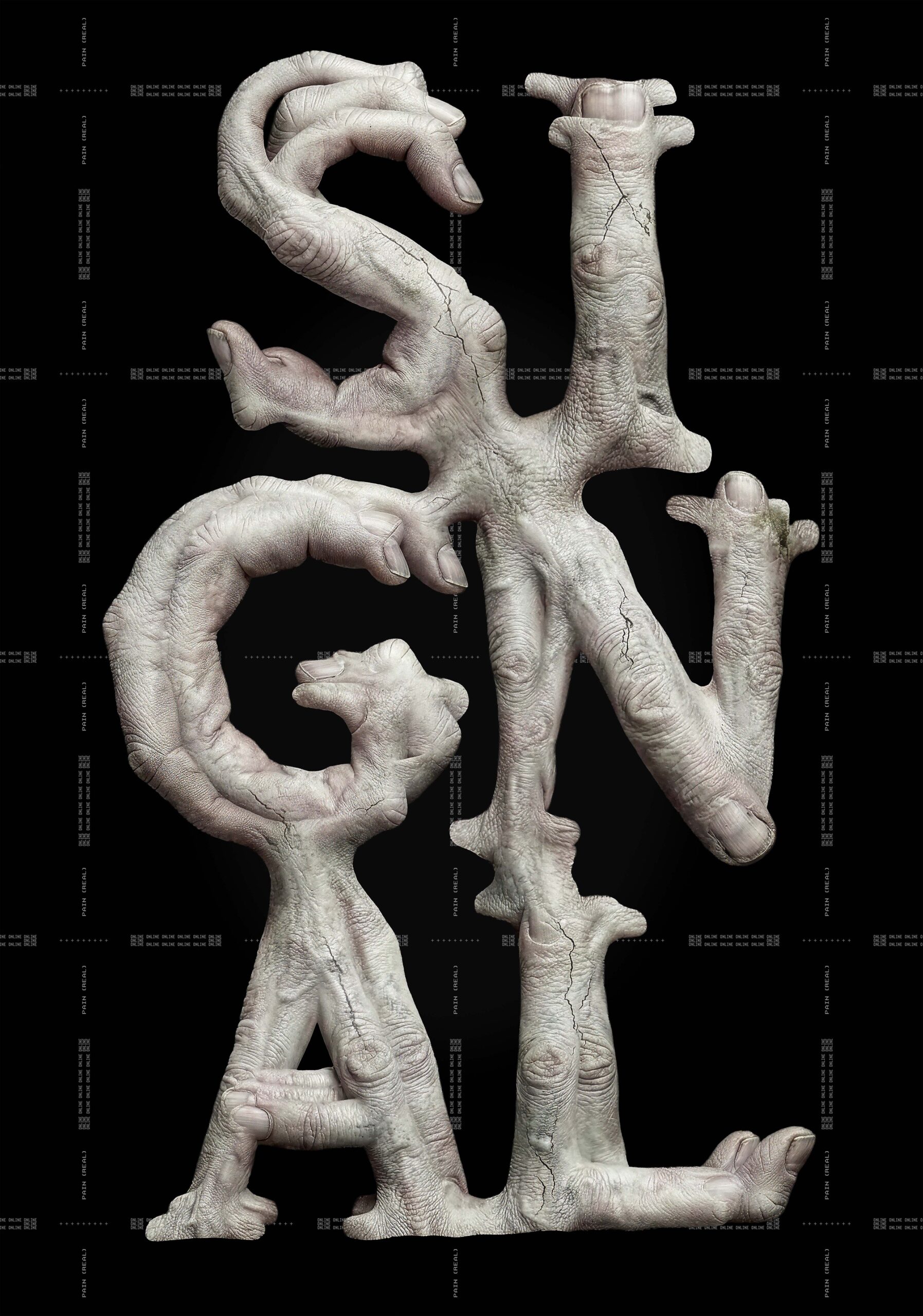
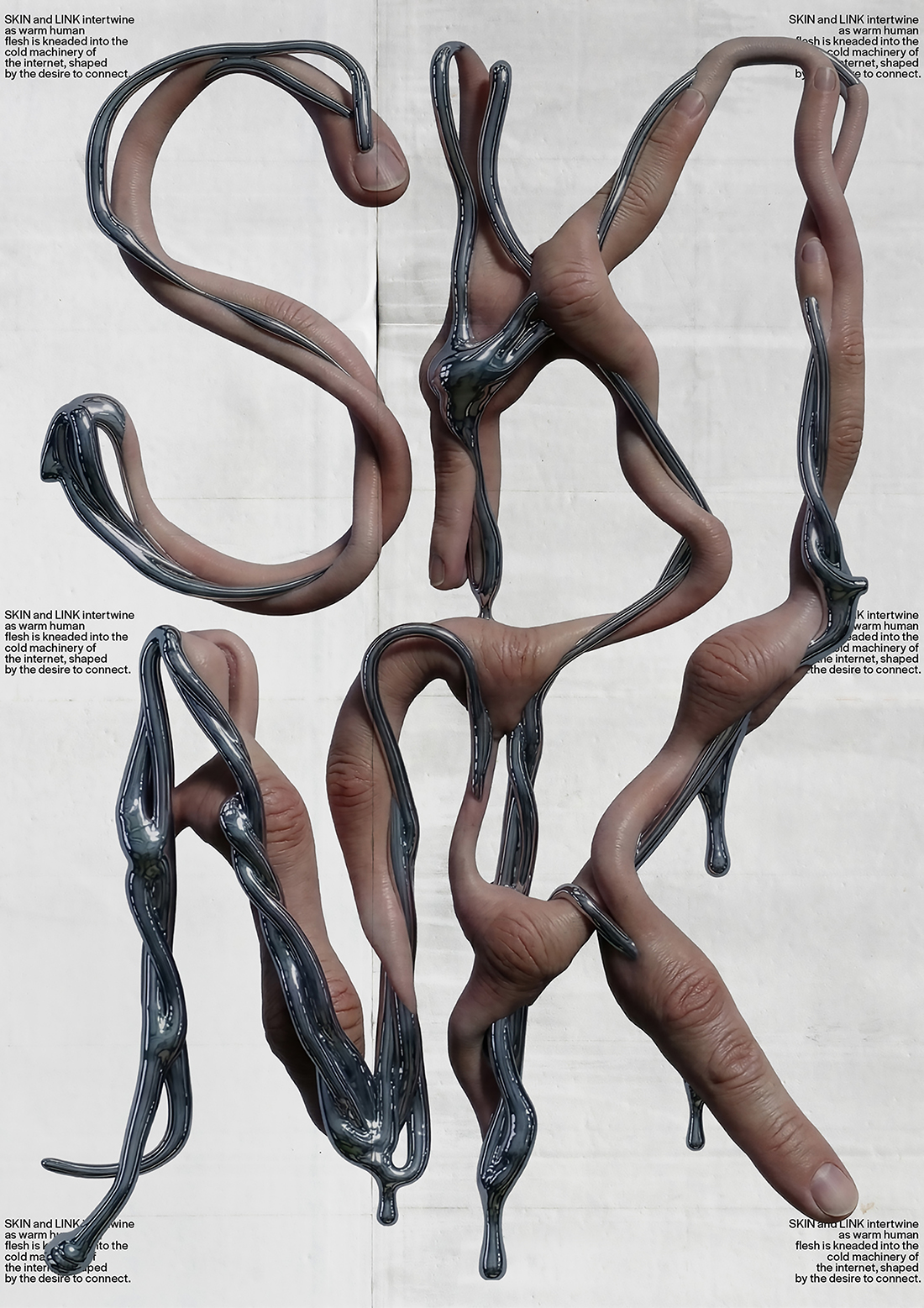
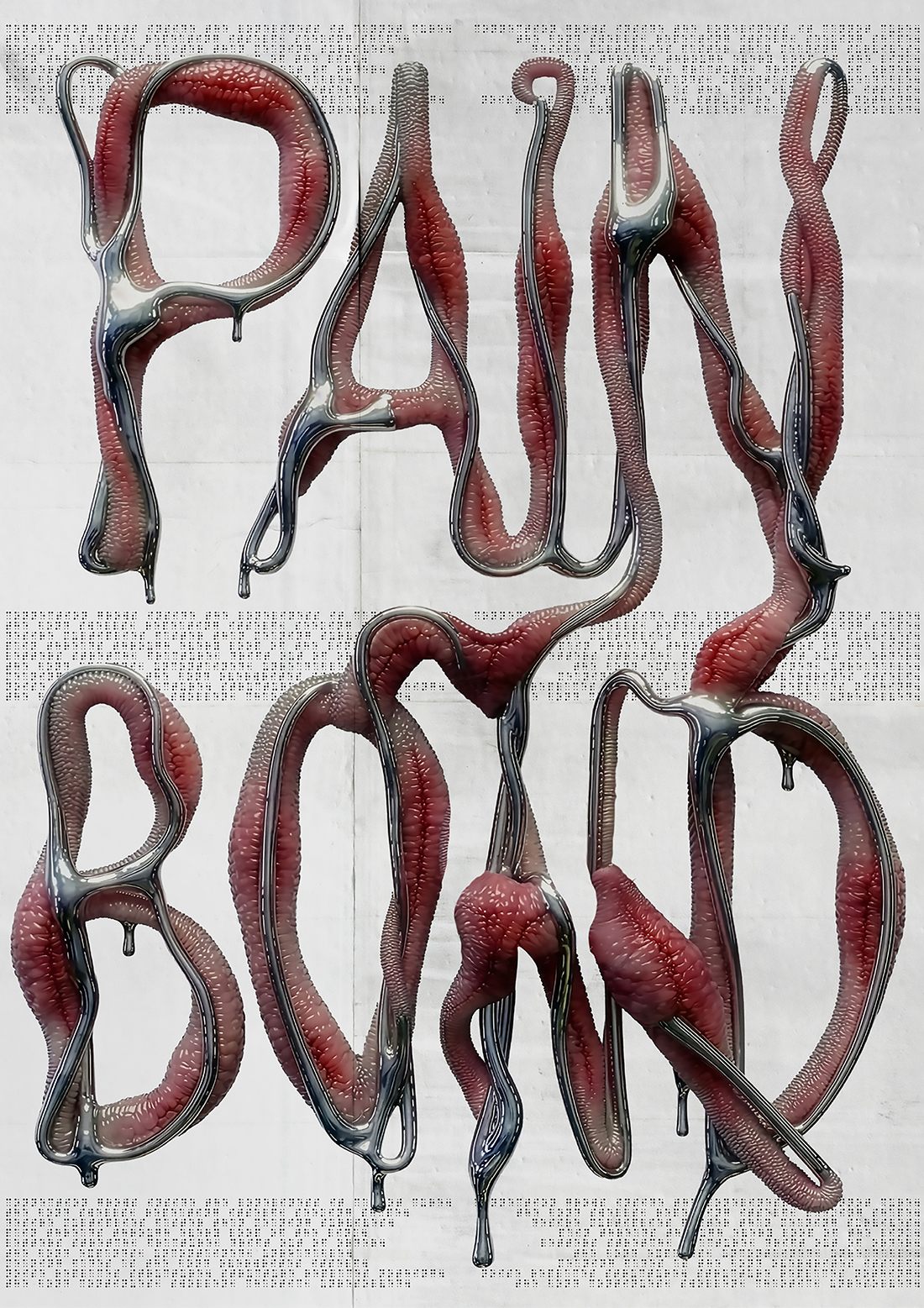
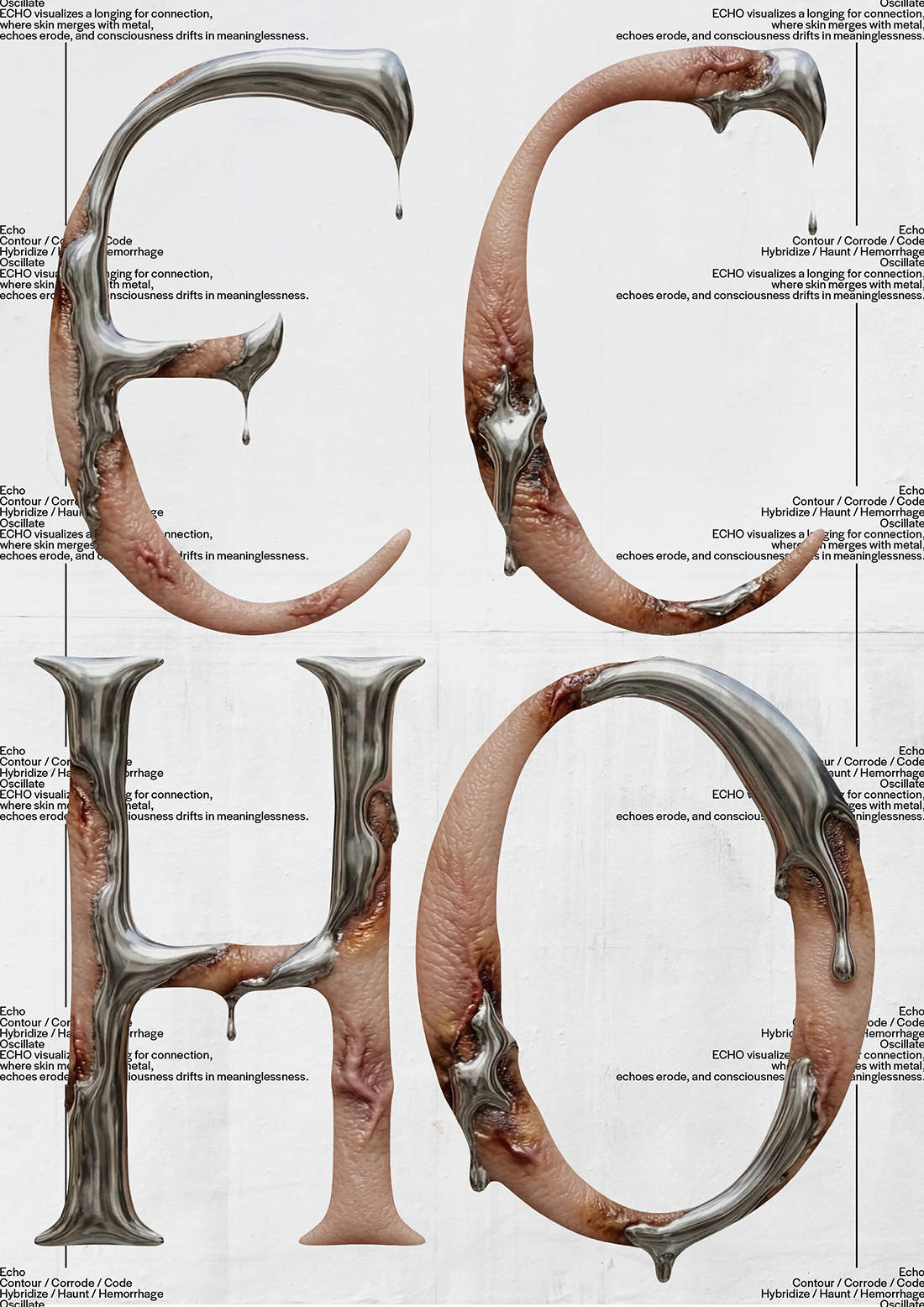
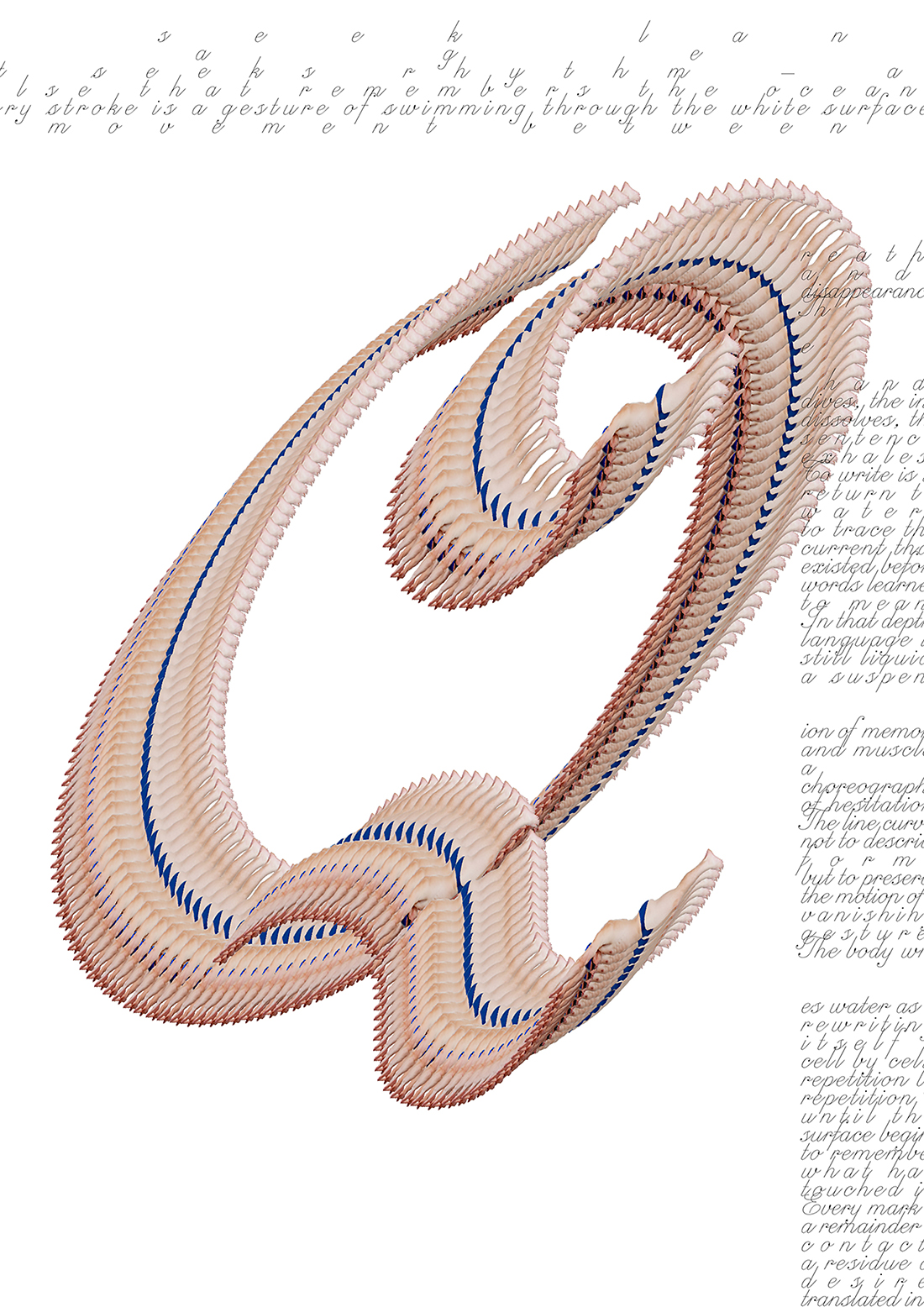
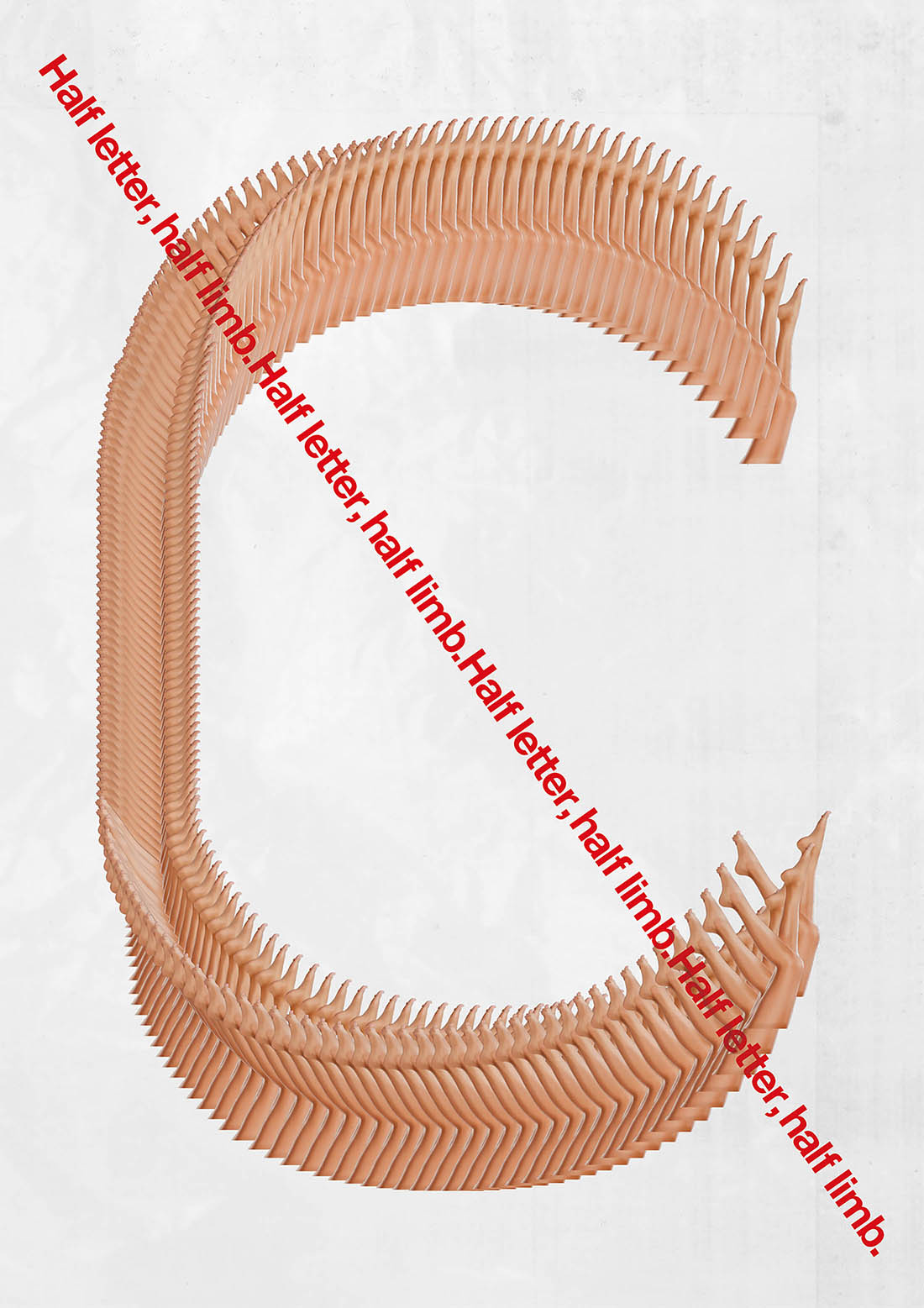
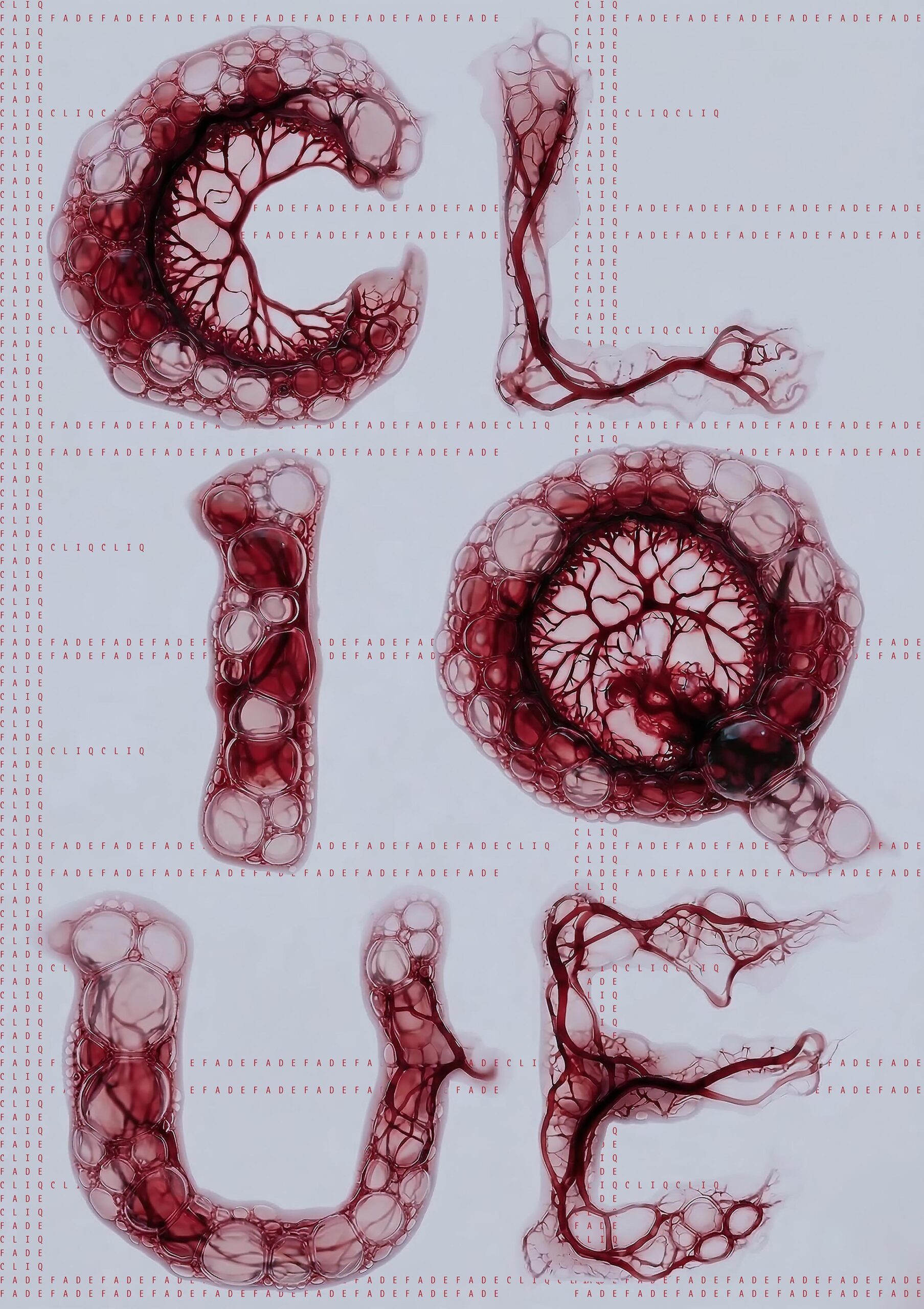
A key focus of his recent practice is the development of experimental bio-typography in collaboration with AI systems. These works translate the emotional and psychological effects of digital communication into unstable typographic forms, where language appears to behave like a living system—stretching, fragmenting, and collapsing under saturation.
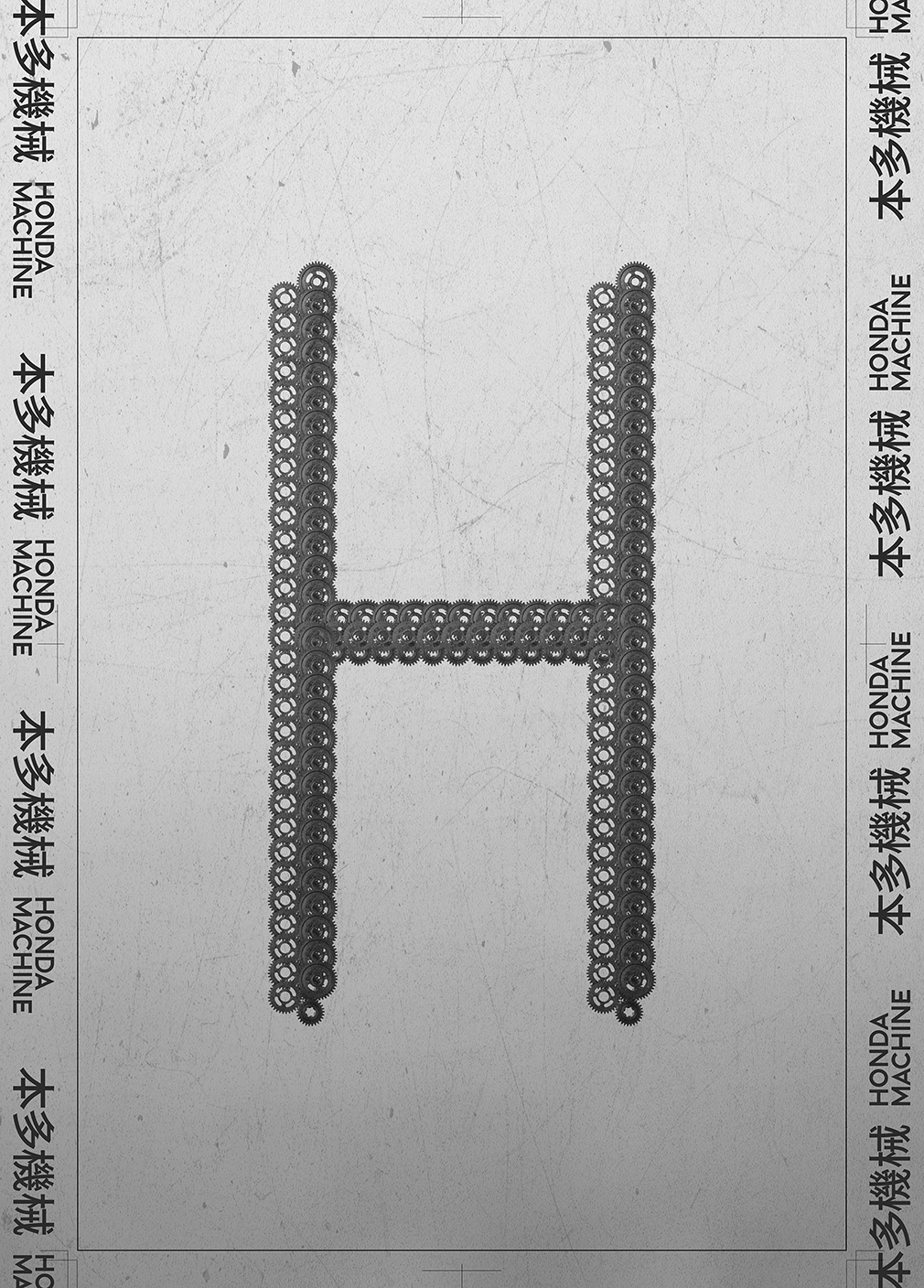
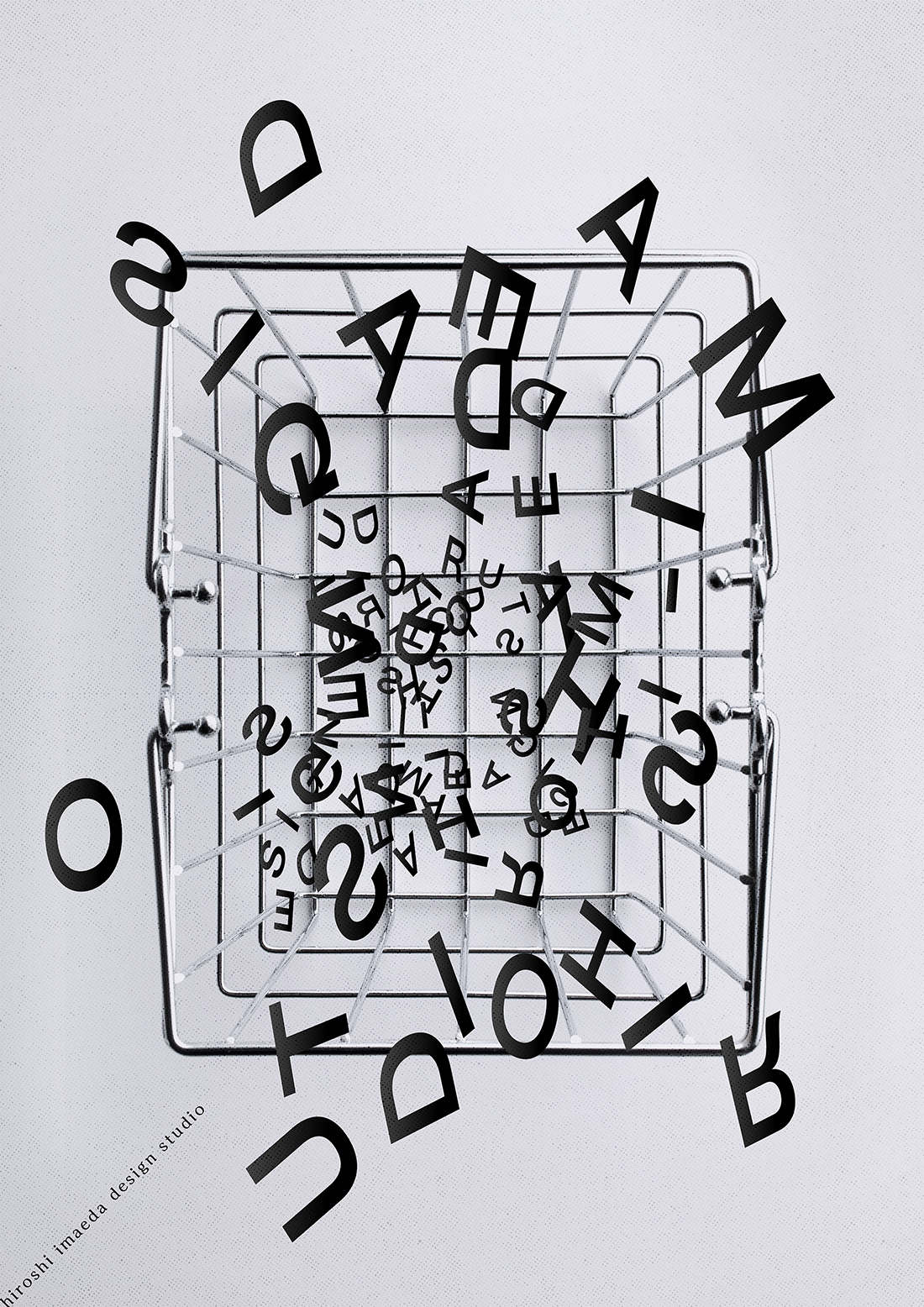
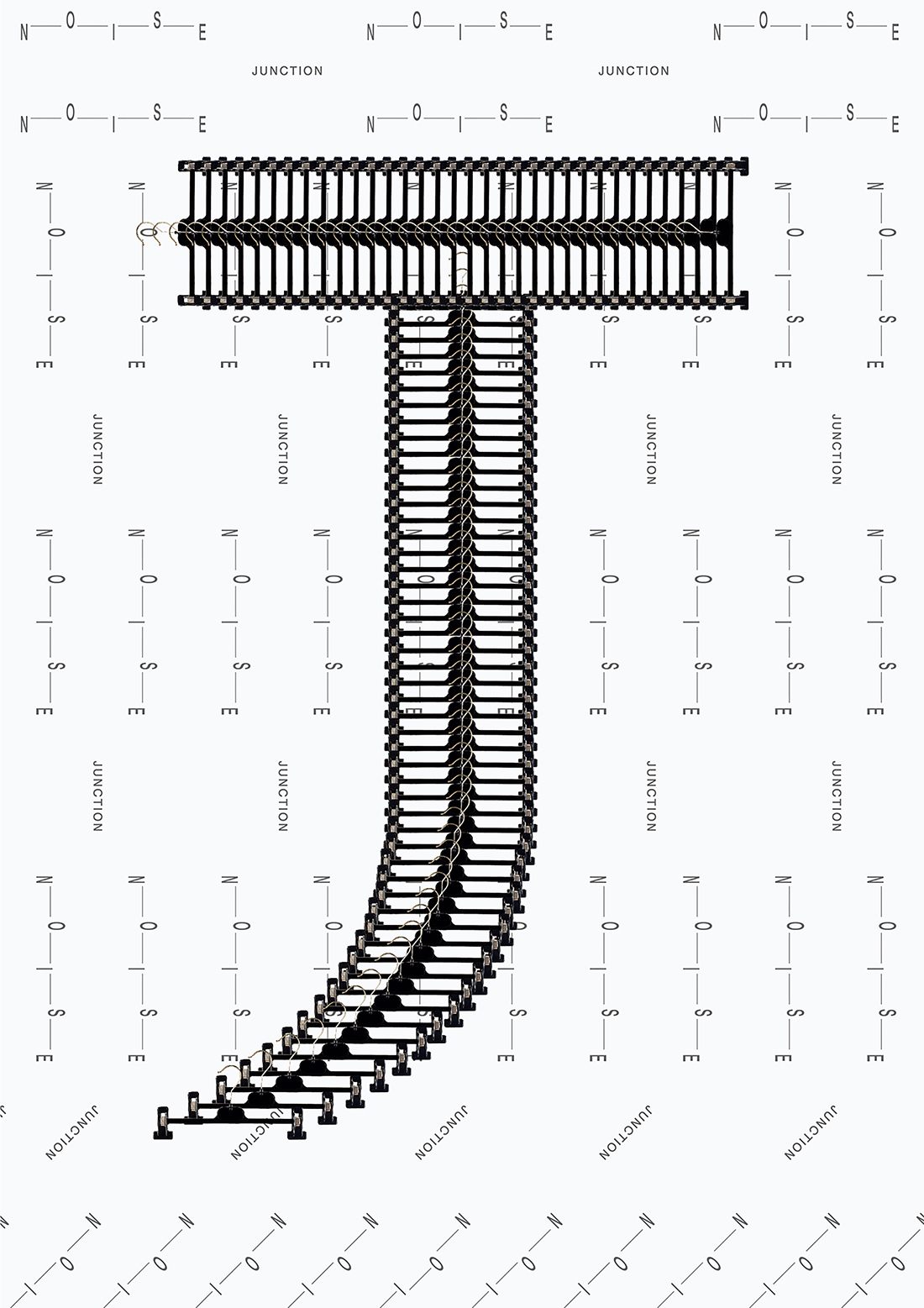
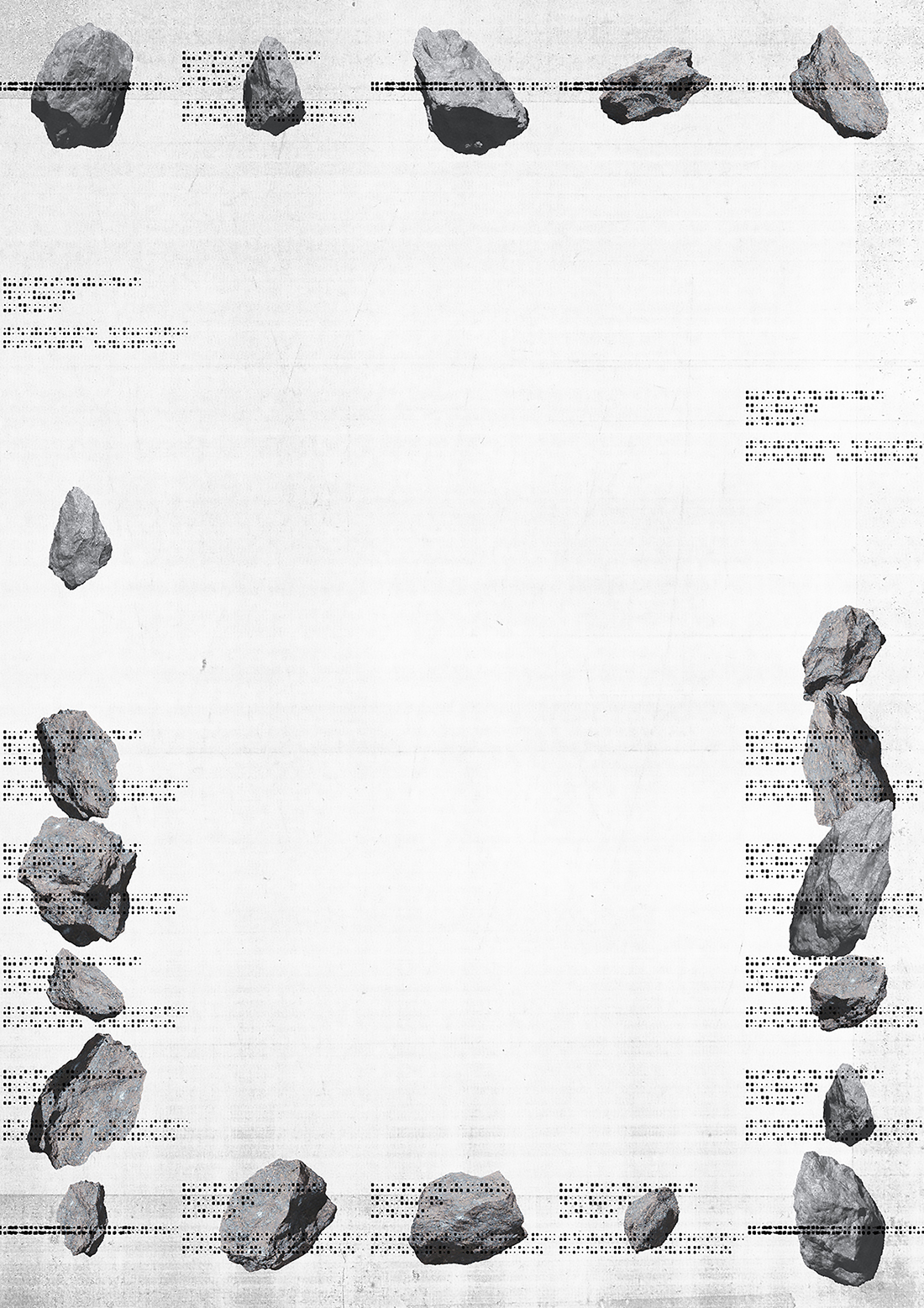
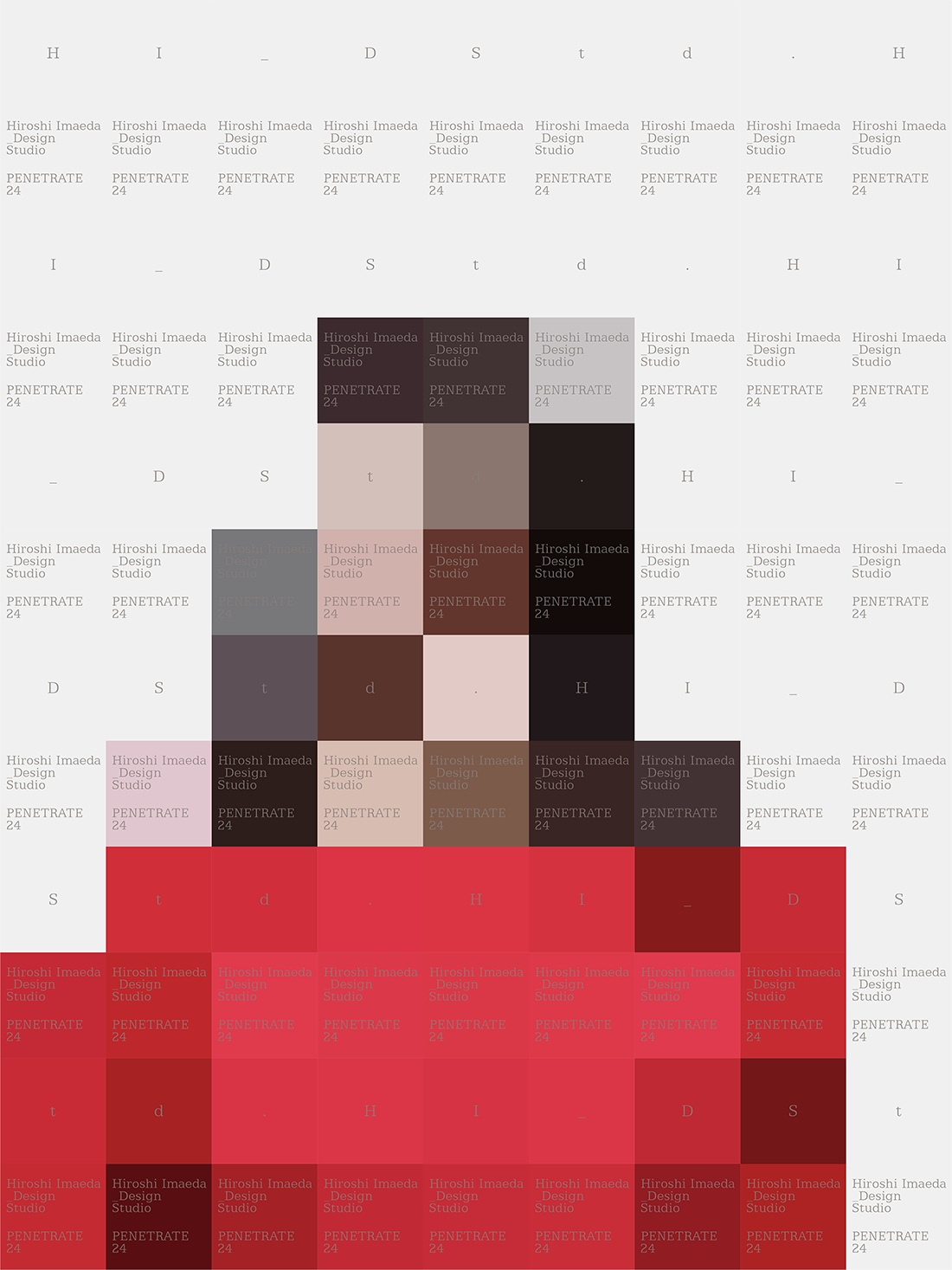
In parallel, Imaeda explores what he describes as “anti-design” strategies. By repeating found imagery and typographic elements, removing context, and reconstructing meaning through variation, he creates visual systems that resist immediate readability. Instead of delivering clear messages, these works emphasize friction, ambiguity, and perceptual delay—challenging the expectation that design must always resolve into communication.
Across these projects, Imaeda examines the tension between structure and collapse, order and noise. His work treats these not as opposites, but as interconnected states that continuously shape one another. Within this dynamic field, design becomes less about resolution and more about observation—of systems under pressure and meaning in transition.