Recap: European Design Festival 2026
Sofia, Bulgaria
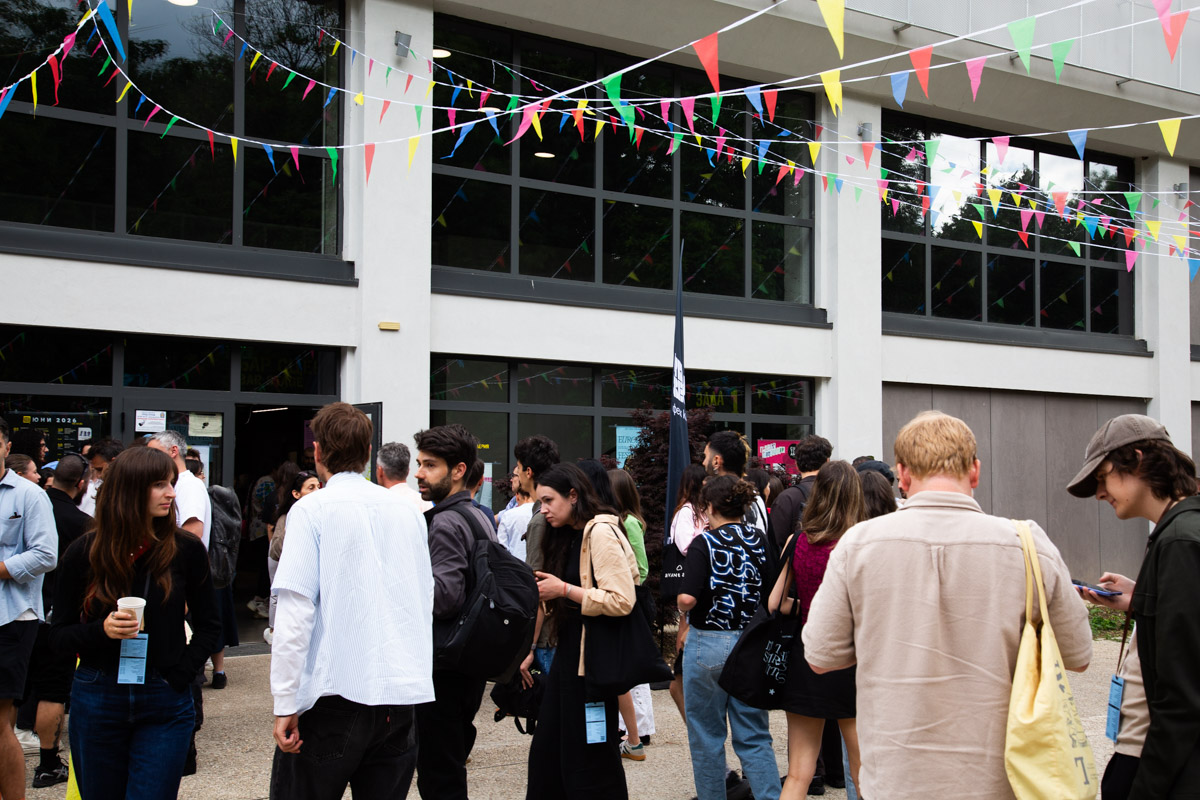
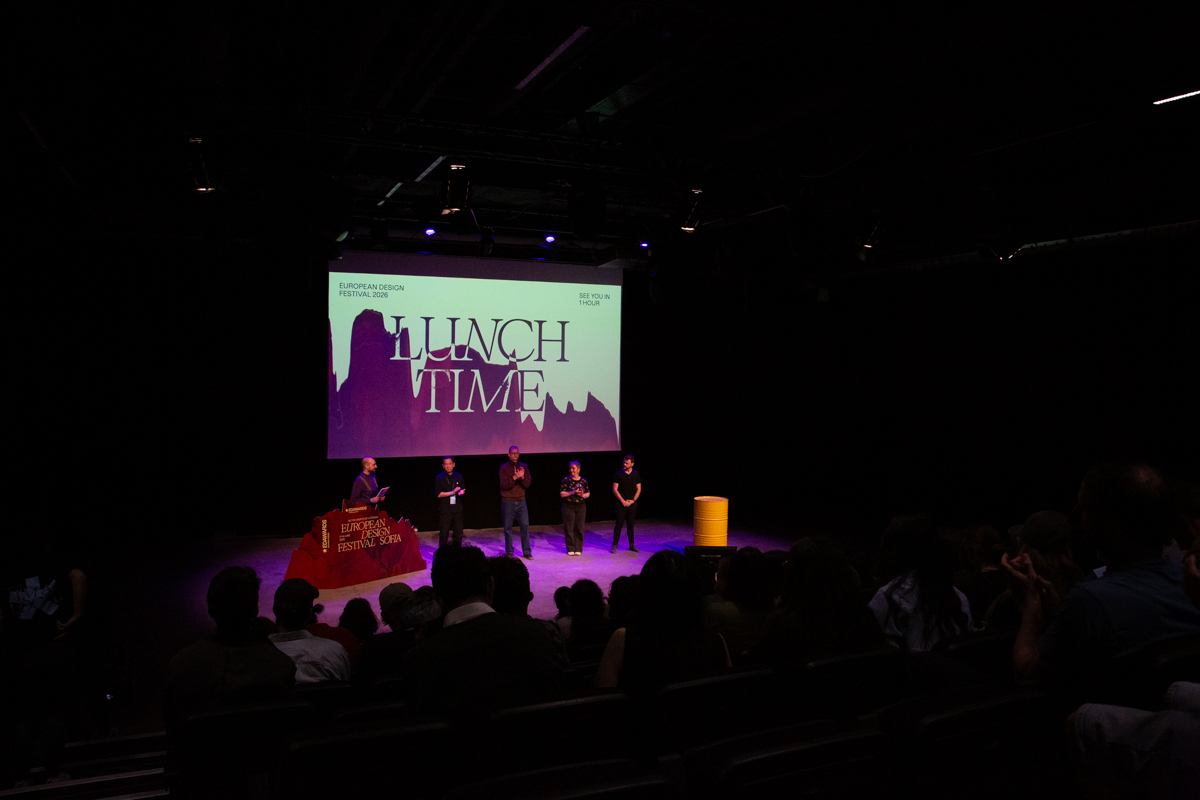
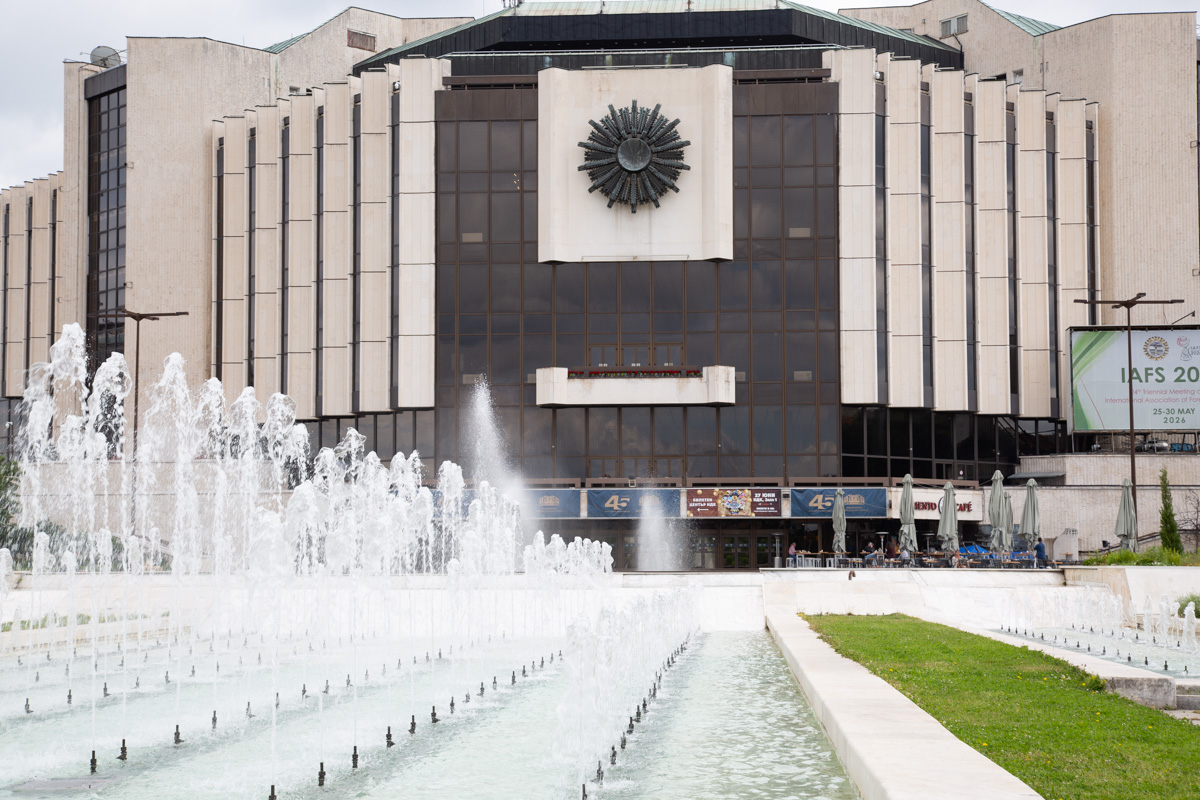
The European Design Festival 2026 brought the European design community to Sofia this year. The Bulgarian capital proved to be the perfect host for a long weekend full of inspiration, encounters, and new perspectives. Between history, culture, and a vibrant creative scene, the city offered an ideal setting for exchange among designers from across Europe.
The festival began with a city walking tour through Sofia led by Bulgarian guide Rossen Potzkov, who provided a direct and personal introduction to the city, its history, and its contemporary cultural landscape.
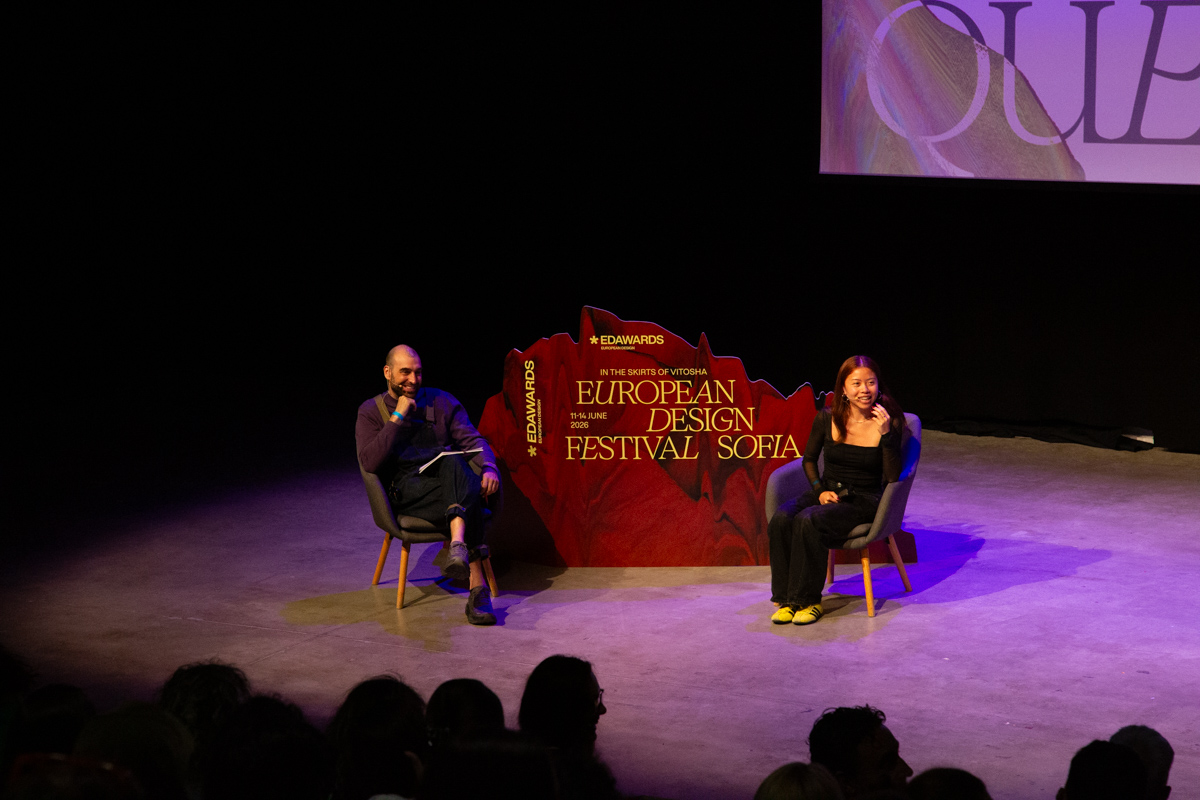
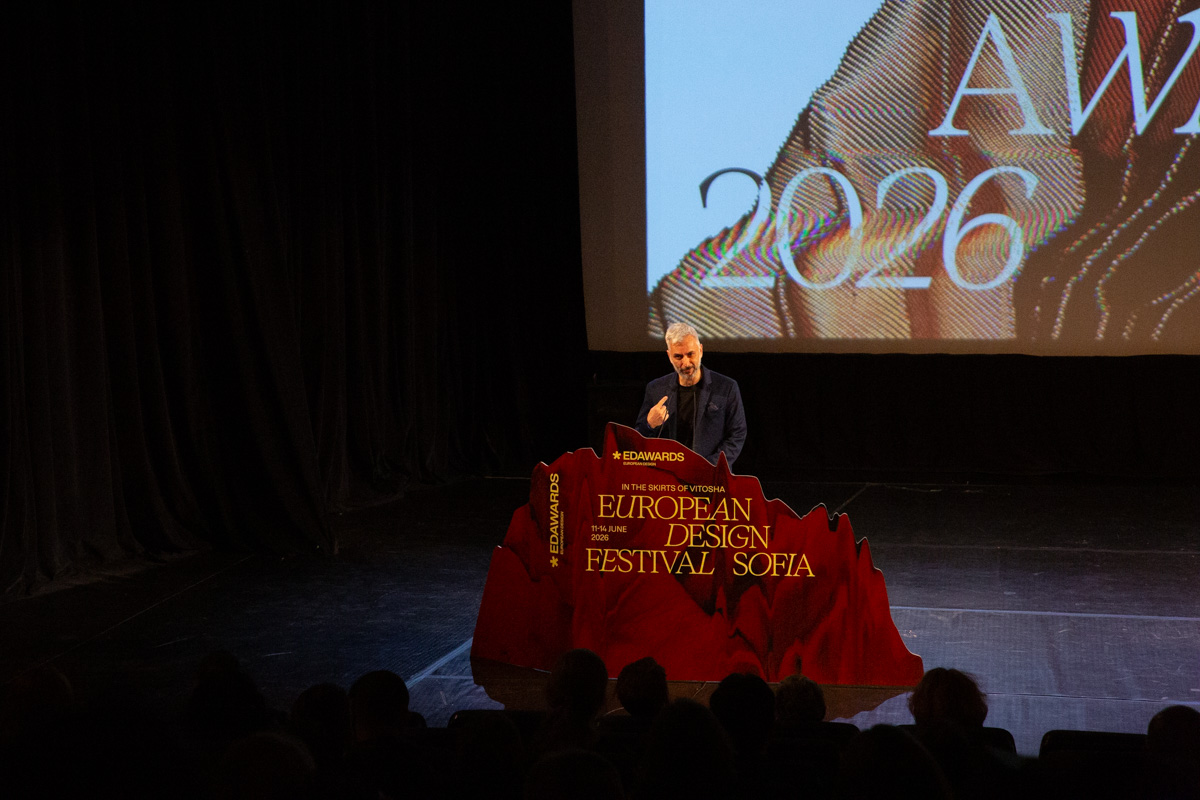
The first conference day featured talks by Andrea Gassner, Melike Tascioglu-Vaughan (ICoD), Paul Voggenreiter & Miroslav Zhivkov, Léa Bruneau (Production Type), Ivaylo Nedkov & Tsvetislava Koleva (FourPlus), and Frank Baas & Yuri Nauta (G2K).
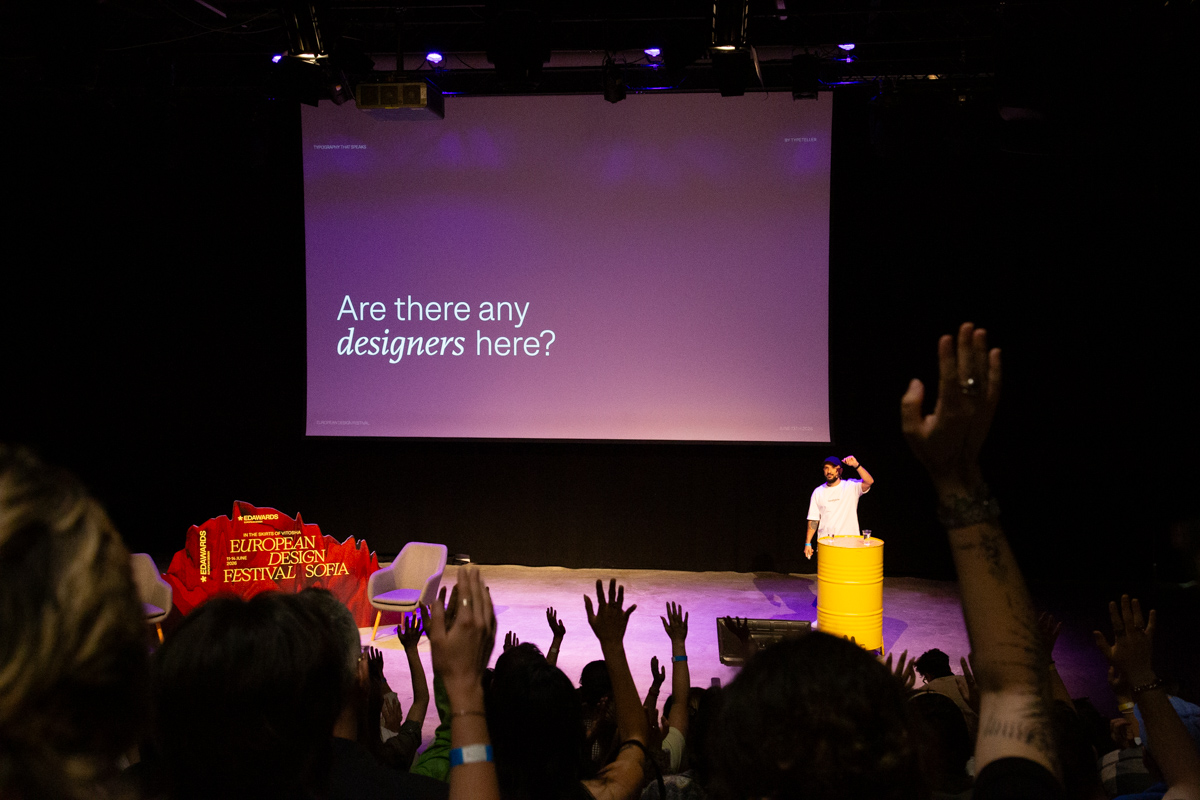
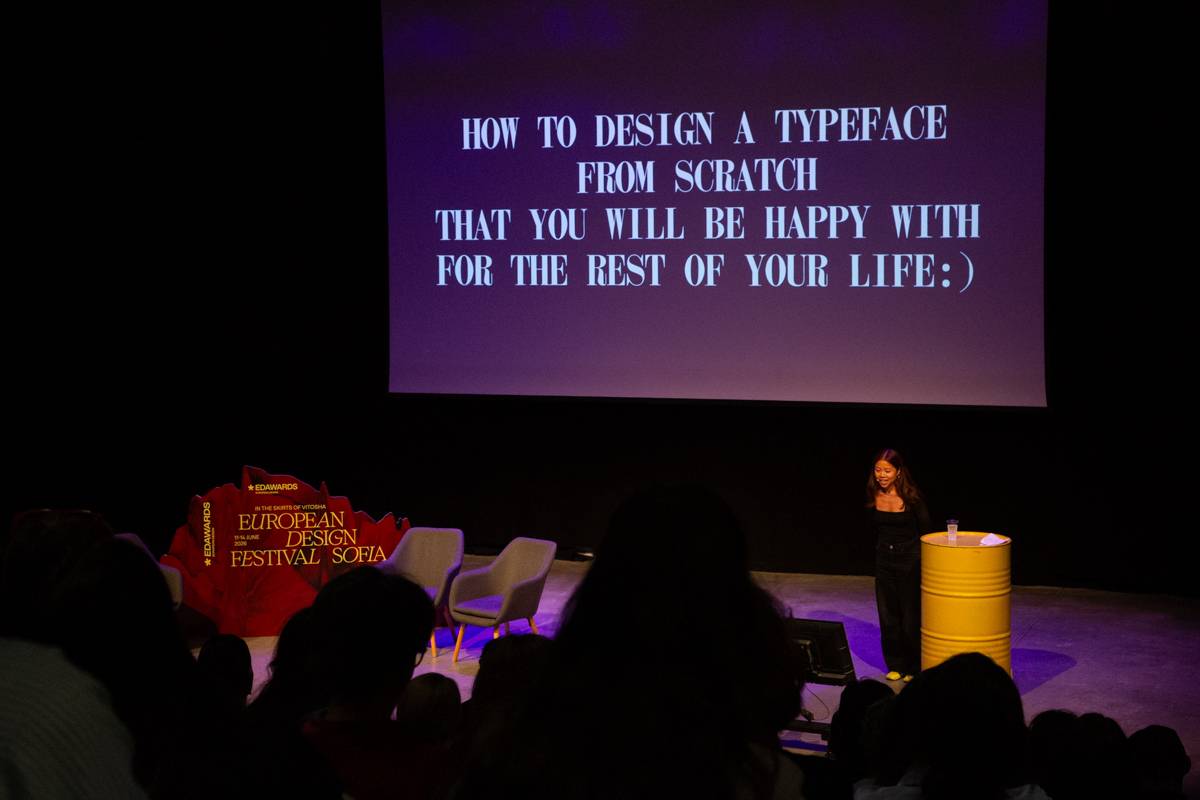
Andrea Gassner presented her interdisciplinary approach to design across space, communication, and systems. Melike Tascioglu-Vaughan spoke about the international design network fostered by ICoD and the importance of exchange, collaboration, and shared responsibility within the discipline. Paul Voggenreiter and Miroslav Zhivkov shared their experimental creative process, moving between scanning, archiving, testing, and recreating. Léa Bruneau gave insight into the making of the type family Ciel and the precision behind typographic work. Originally developed as a student project, Ciel was a project made “with love from Paris”, combining intricate ornamental initials with carefully crafted high-contrast letterforms. G2K focused on the relationship between strategy and digital execution, while FourPlus highlighted the value of long-term brand building through collaboration, consistency, and structure.
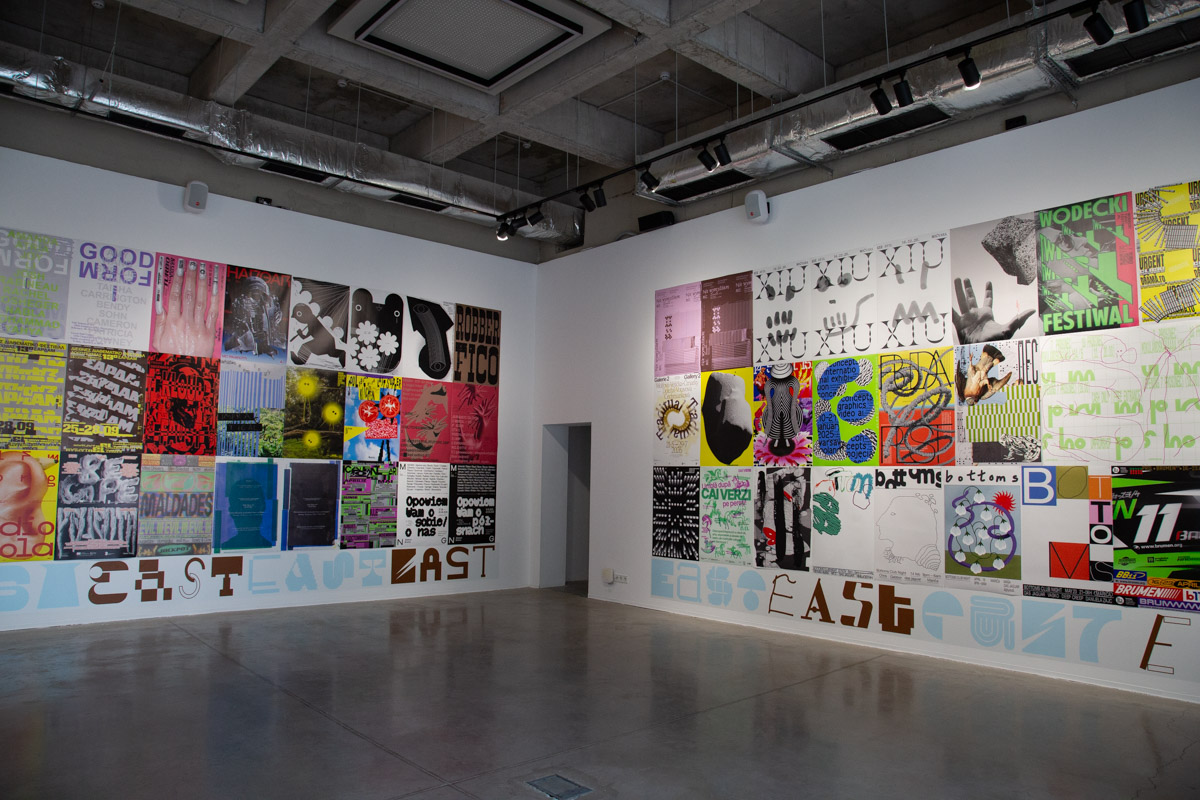
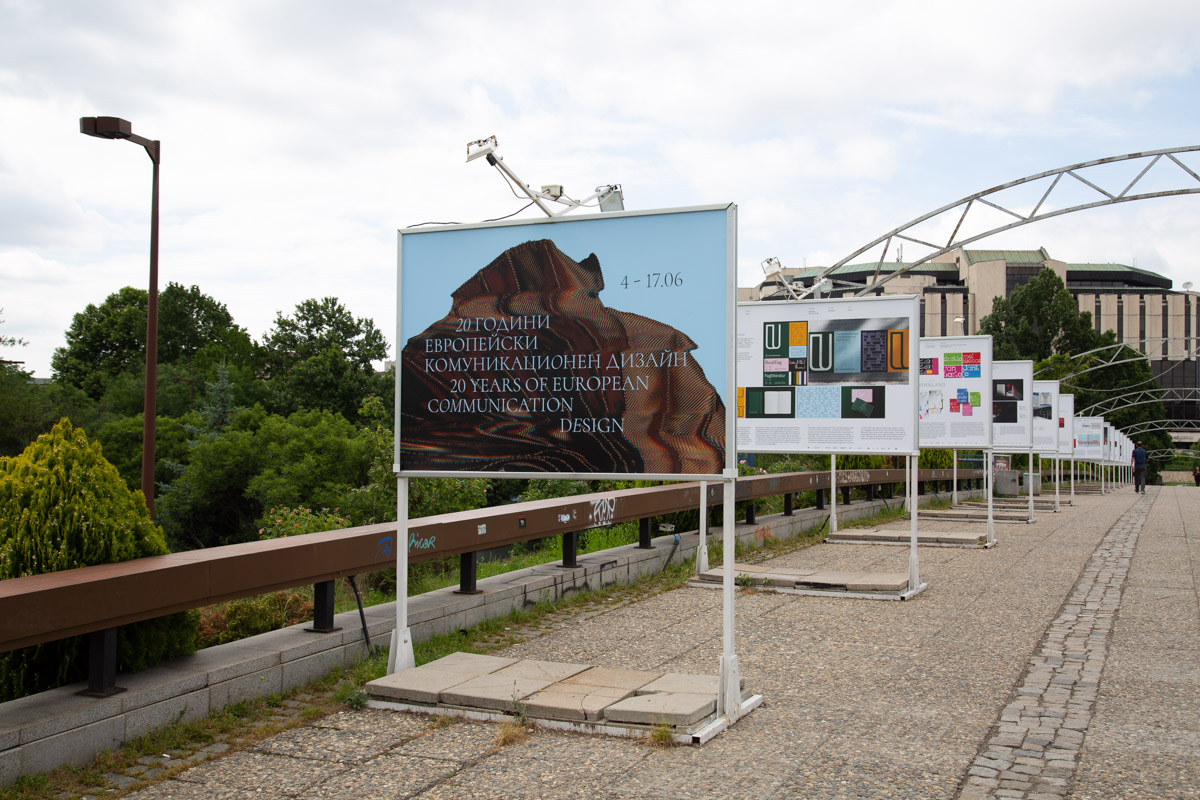
Beyond the conference program, the festival offered numerous opportunities to explore Sofia’s creative scene. The exhibition AndNowEast, organised and produced by the Bucharest-based Local Design Circle, provided a compelling snapshot of contemporary visual culture in Eastern Europe. The exhibition brought together a new selection of works that expand the poster beyond its conventional function, positioning it as a medium between communication, authorship, and critical reflection.
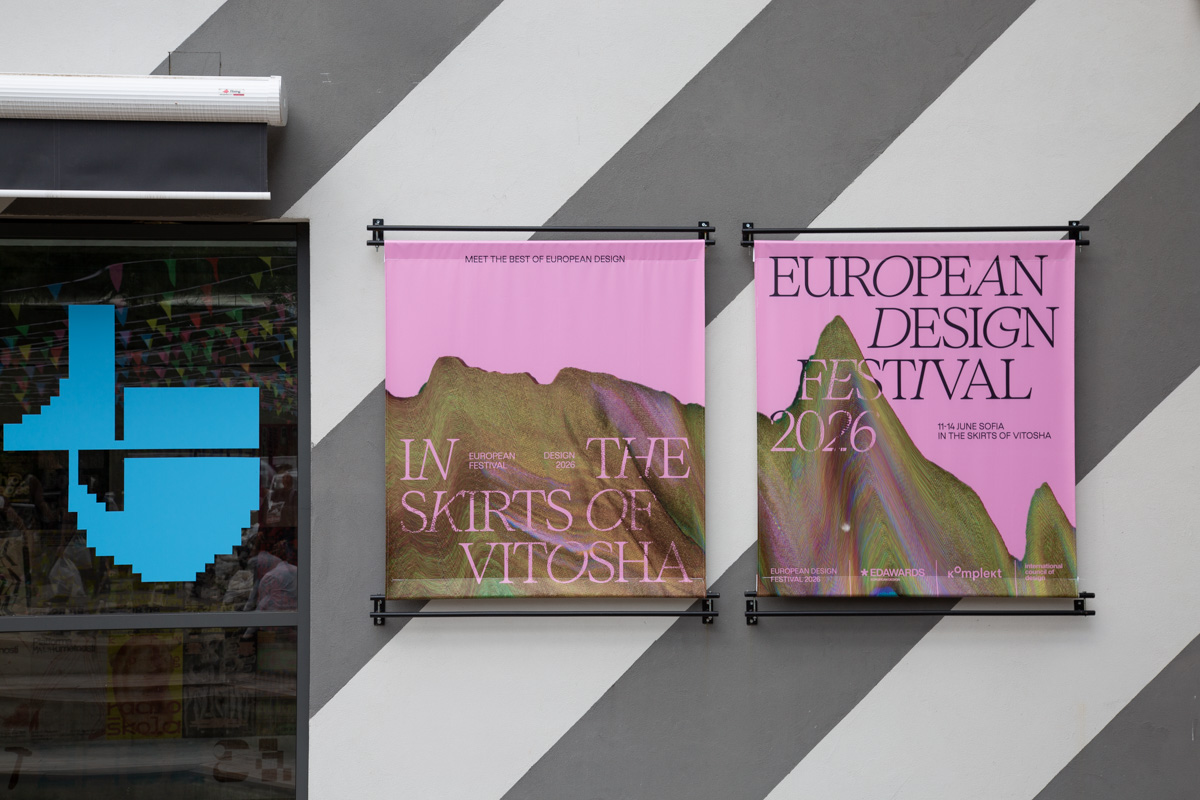
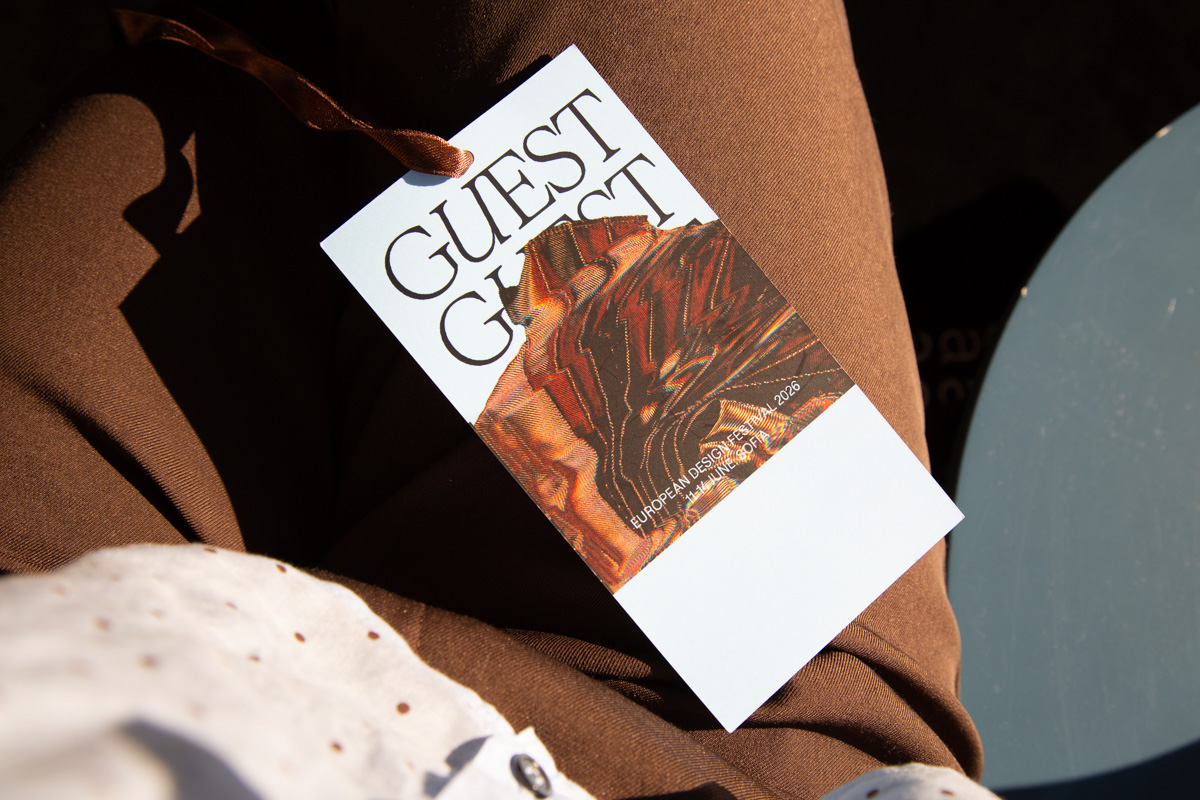
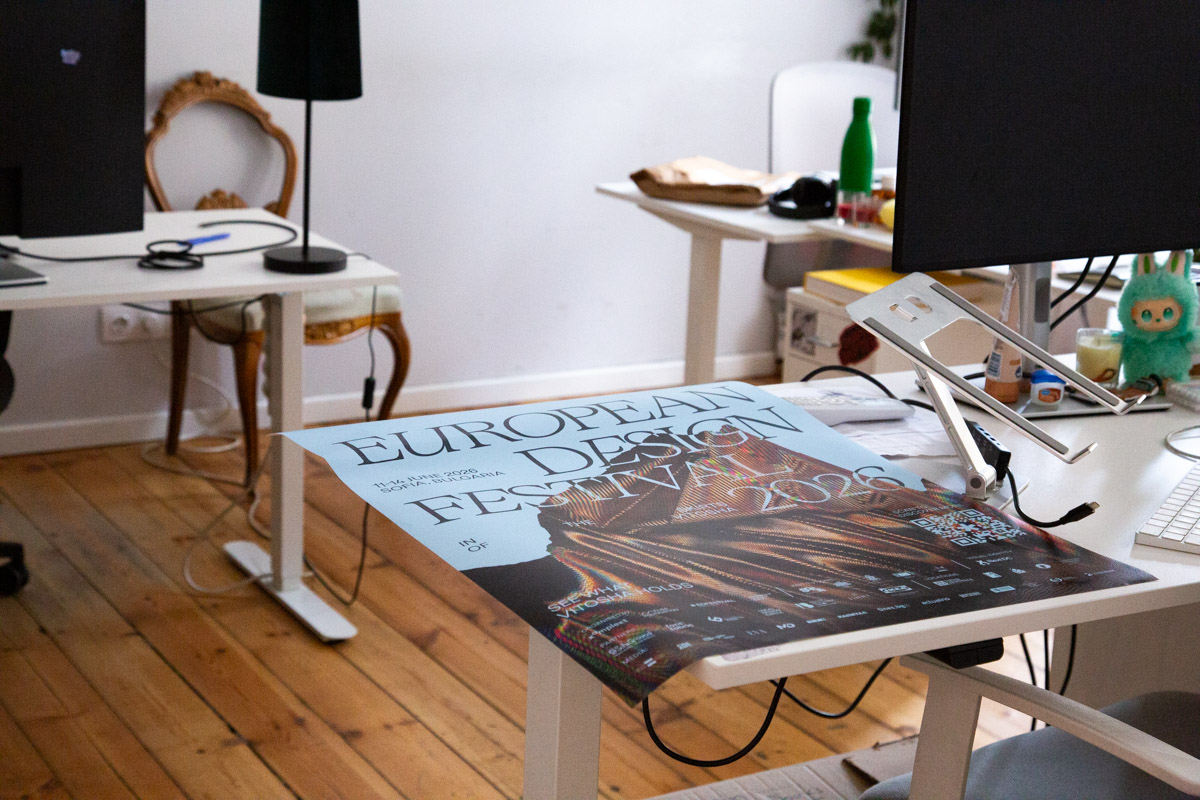
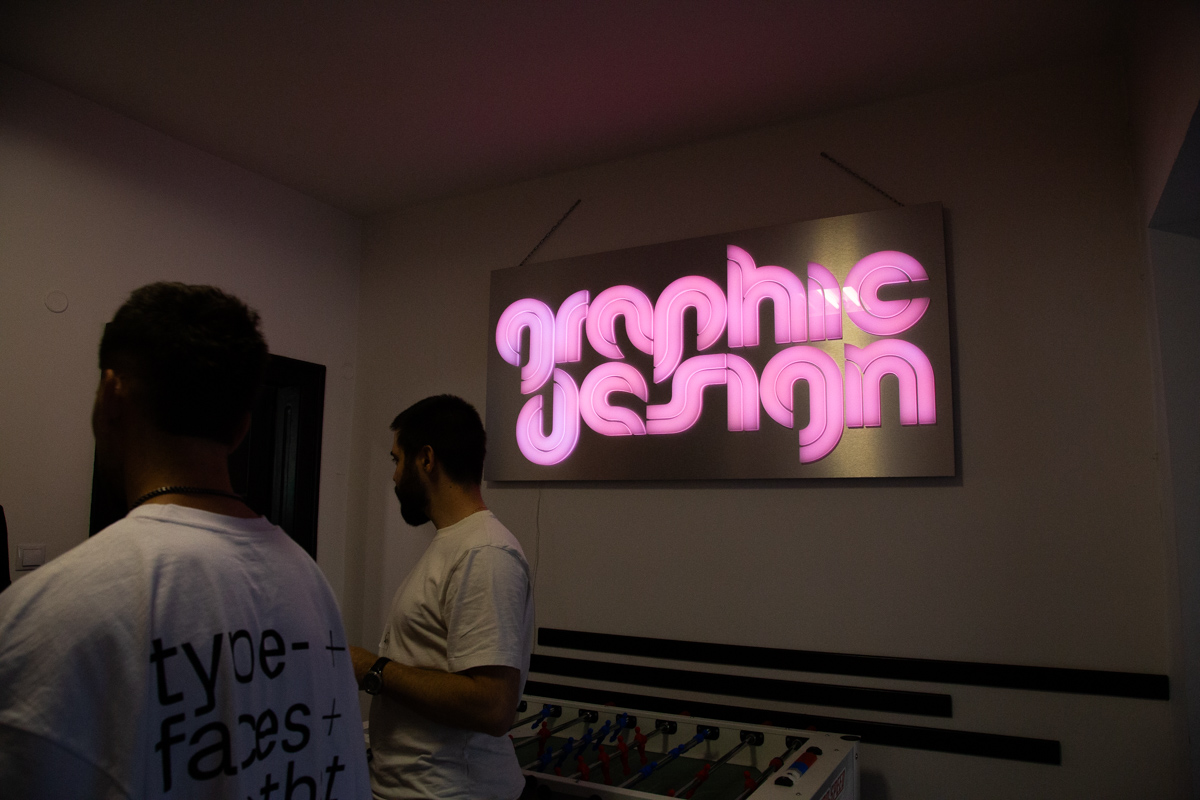
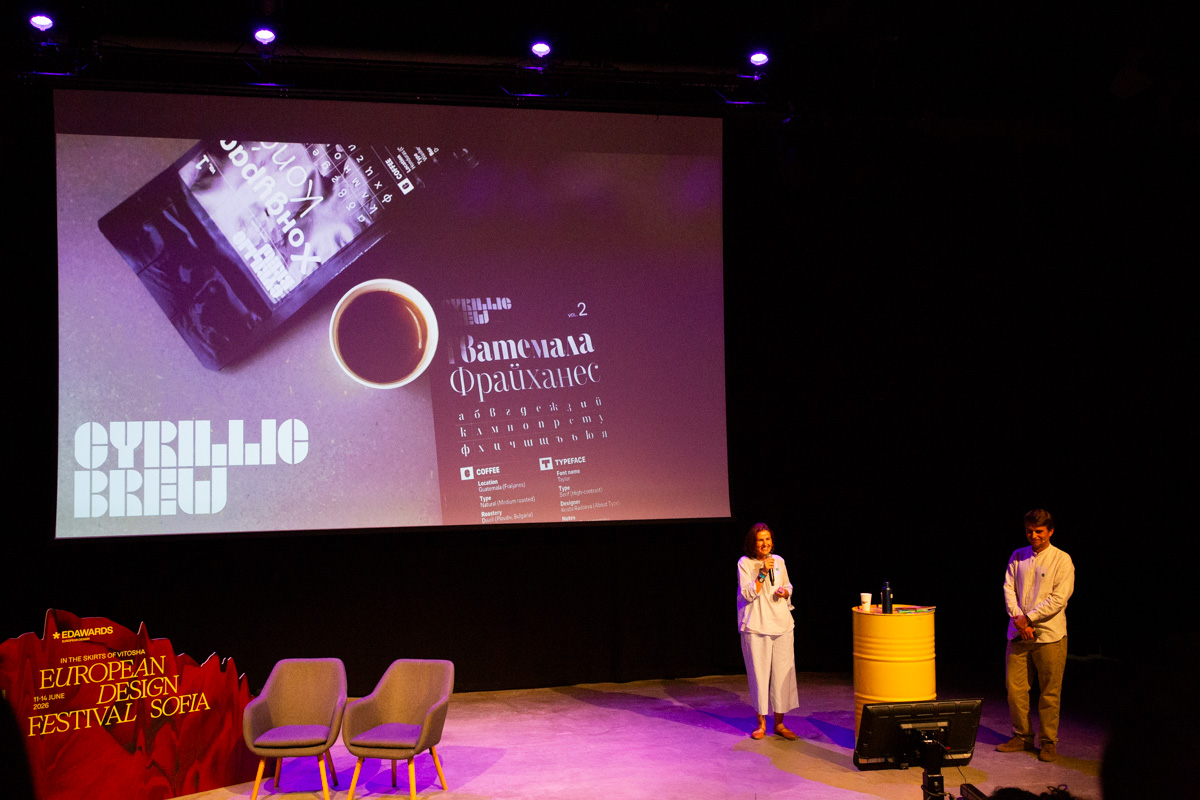
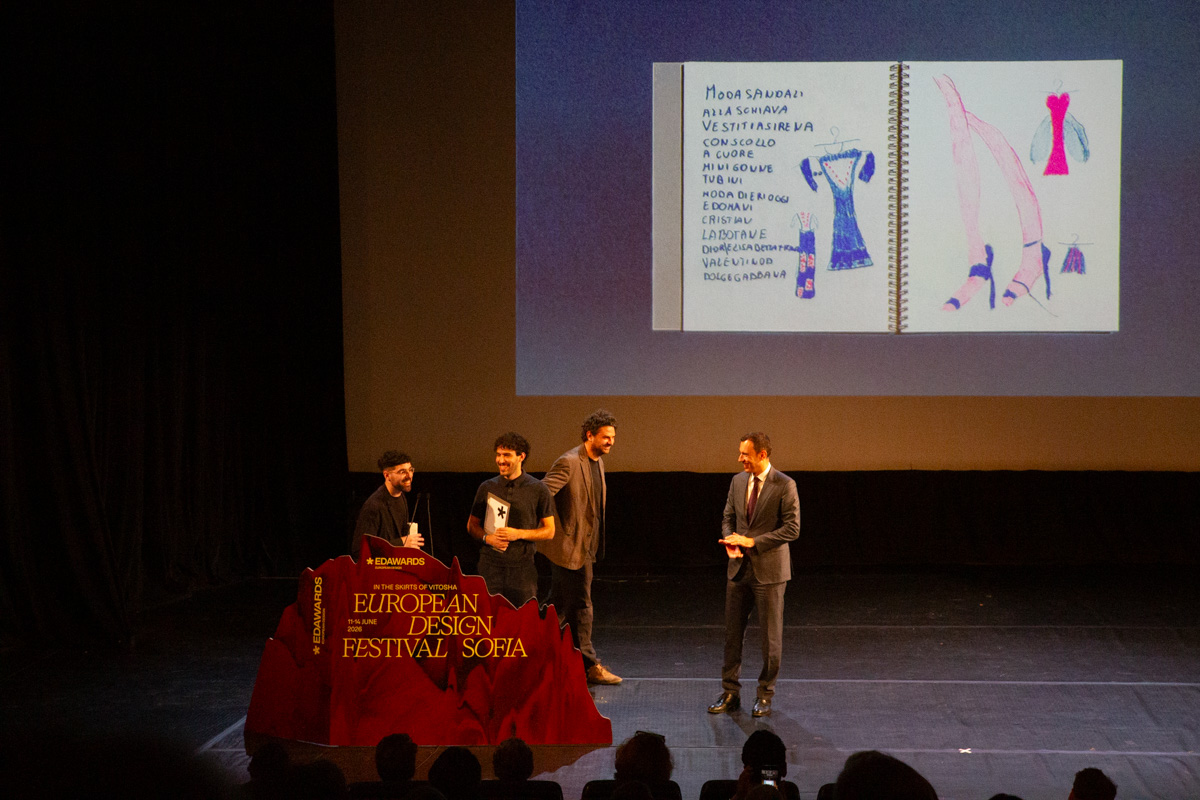
The Open Studio Visits offered a unique opportunity to step inside some of Sofia’s most prominent design and creative studios. Walking through hidden courtyards and lesser-known parts of the city, visitors were welcomed into workspaces and introduced to the teams behind them, gaining first-hand insight into their processes, environments, and ways of thinking. One highlight was the visit to Fontfabric. The studio was filled with bags, specimens, and examples of typefaces in development, offering a closer look at the craft and extensive work behind type design. With a practice rooted equally in strategy and craftsmanship, Fontfabric demonstrated how typography functions not simply as a visual tool, but as an essential component in shaping brand voice, identity, and recognition. Another memorable stop was NEXT-DC, where Maria Todorova shared insights into her work across creative strategy, emerging technologies, experiential formats, and visual storytelling. Particularly striking was The Skirts of Vitosha, the visual identity developed for the festival itself. The project transforms scanned garments into a visual system, turning everyday materials into narrative design elements that connect local culture, storytelling, and branding.
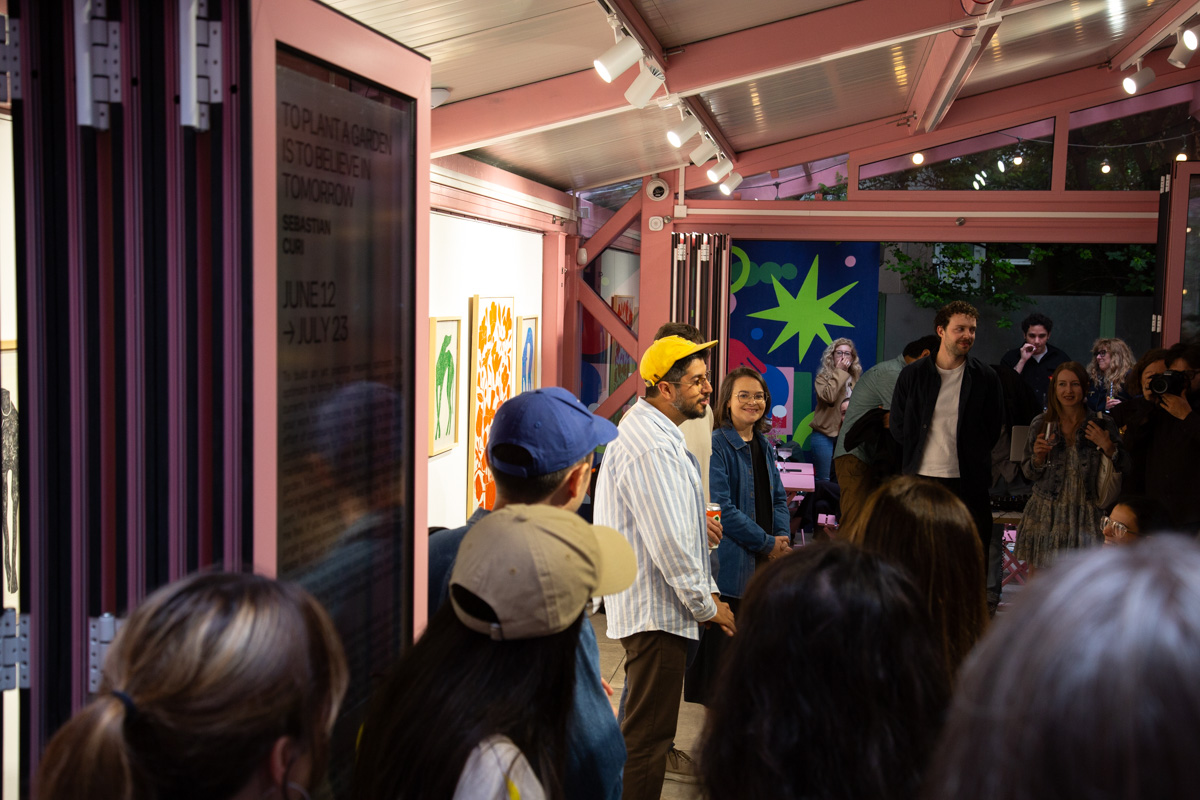
The first day concluded with the opening of Sebastian Curi’s exhibition at L44 Design Space. The relaxed evening gathering brought participants together once again outside the conference setting and set the tone for the days ahead.
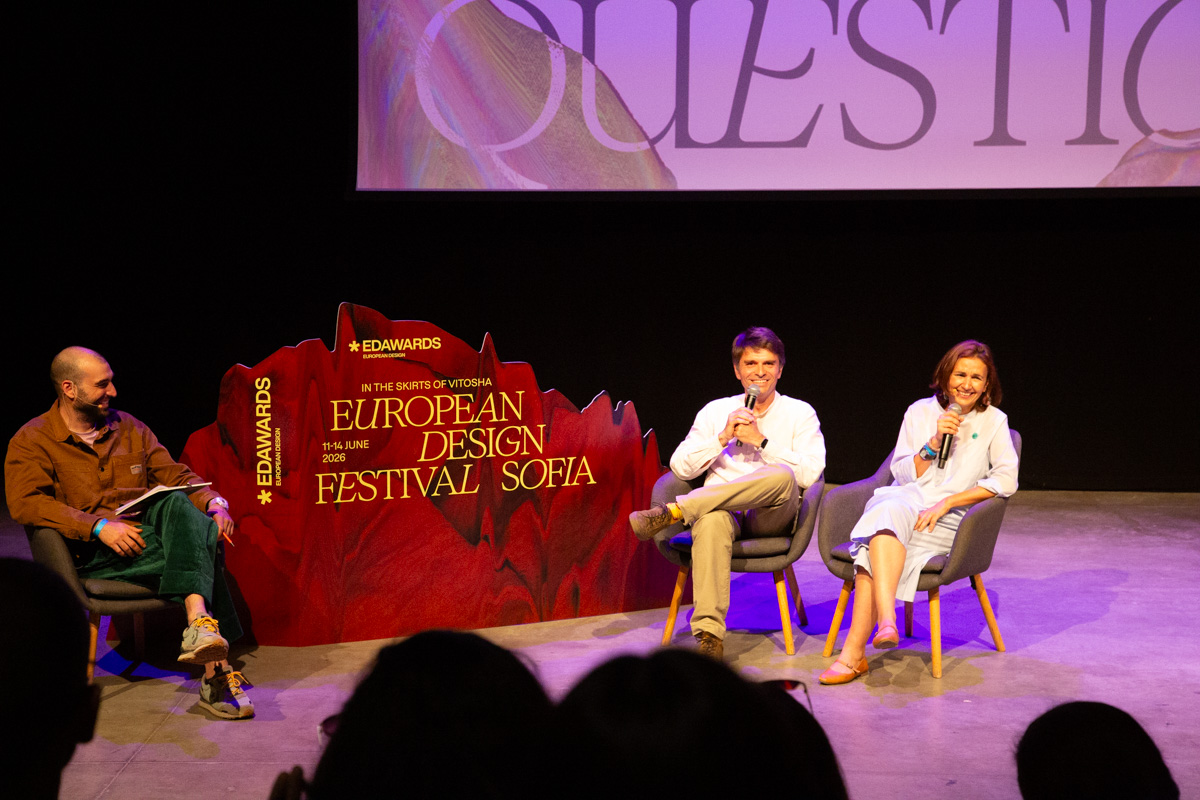
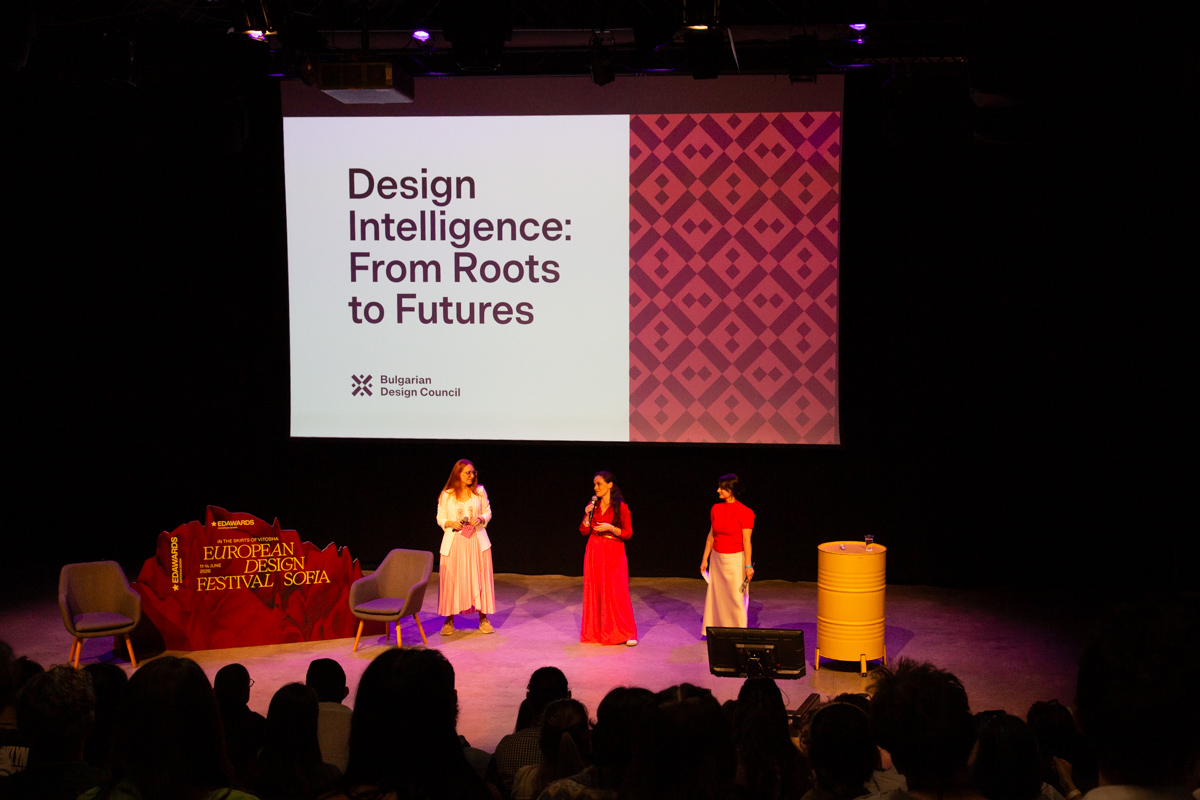
The second conference day continued with presentations by Yannis Konstantinidis (NOMINT), Maria Todorova (NEXT-DC), Krassimir Stavrev & Svetla Todorova (punkt.studio), Vangelis Liakos (Beetroot), the Bulgarian Design Council, Plamen Motev (Fontfabric), and Rozalina Burkova.
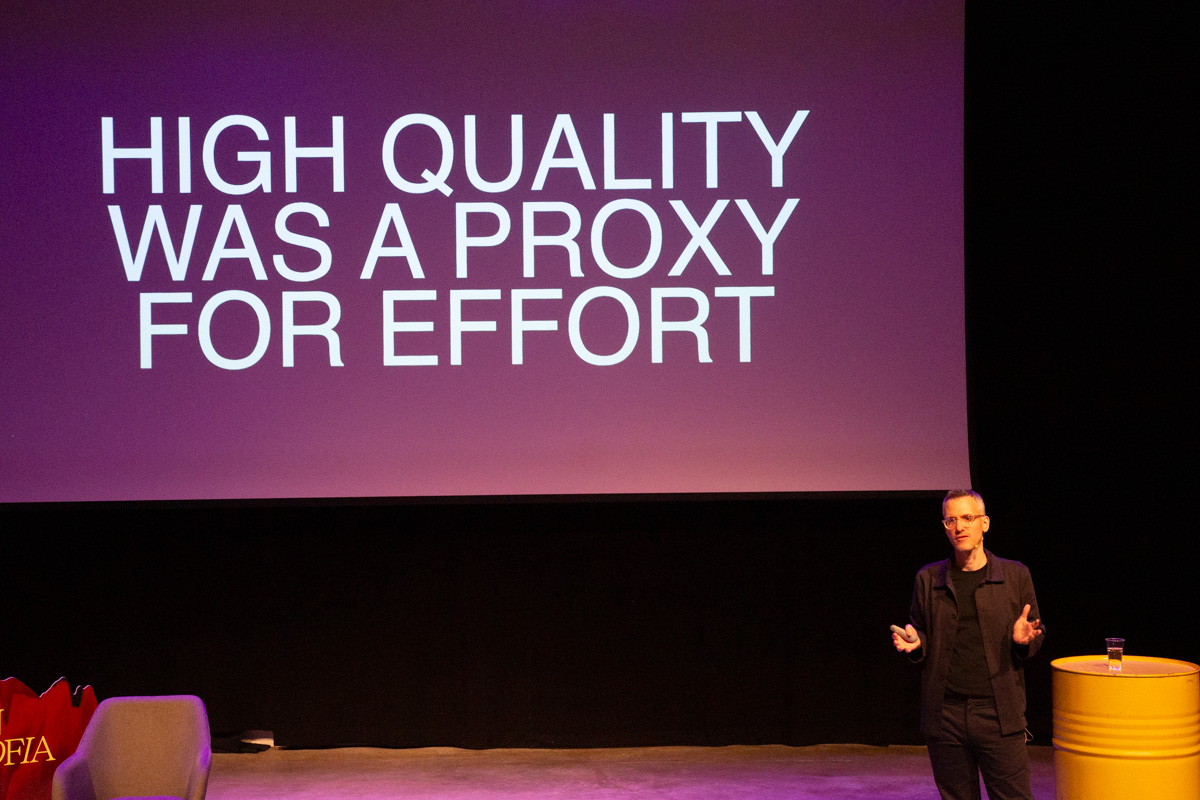
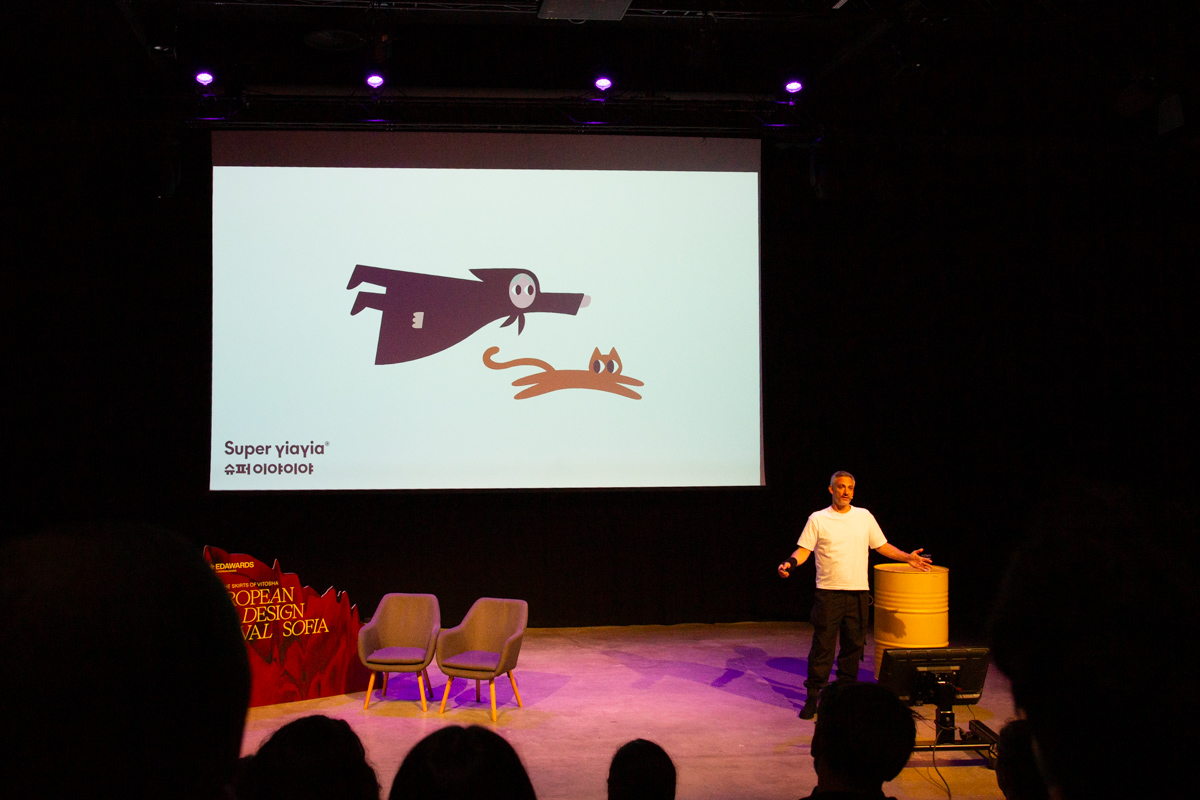
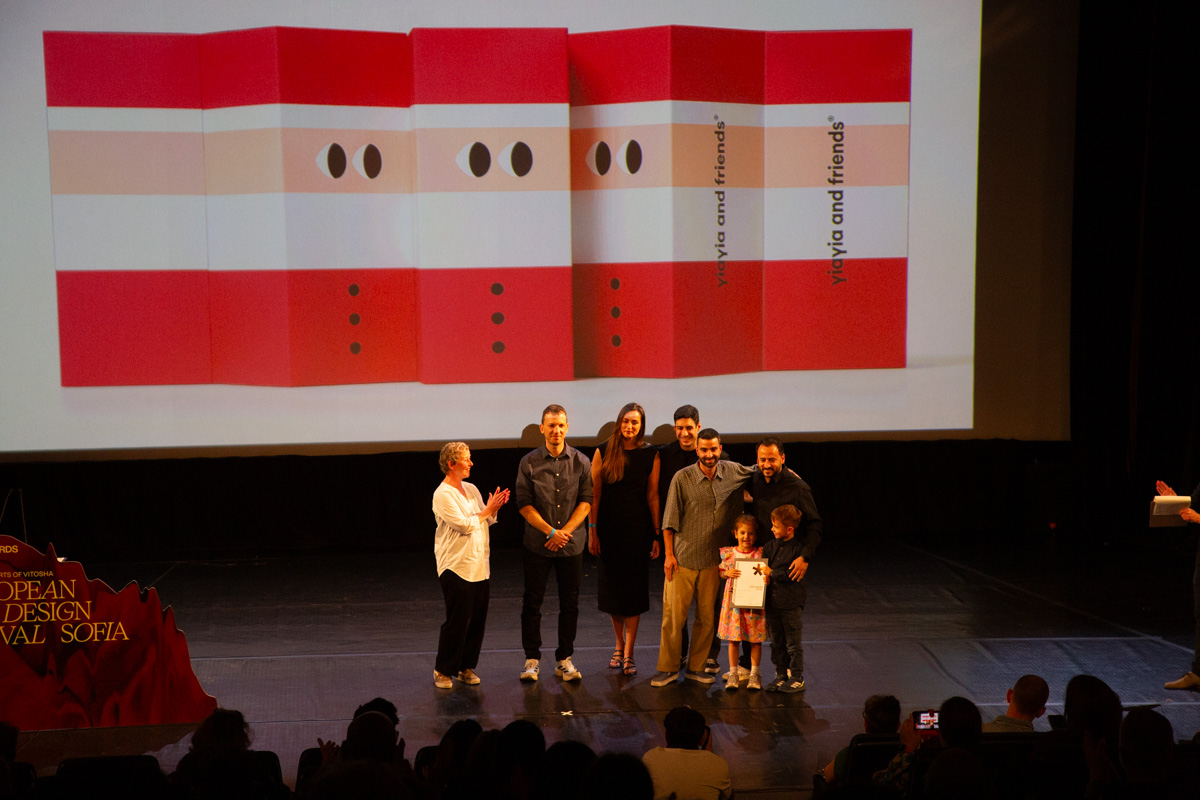
Yannis Konstantinidis presented NOMINT’s work for the BBC Winter Olympics 2026 project, created entirely in-camera using real fire, physical sets, and more than 700 3D-printed figures. The project demonstrated a remarkably material-driven approach to animation and storytelling in an increasingly digital environment. Maria Todorova continued the theme of experimentation through branding and visual identity projects. Drawing from her own professional journey, she encouraged younger designers to stay curious, explore cultural developments, and remain open to influences from outside the design field. Krassimir Stavrev and Svetla Todorova of punkt.studio reflected on their long-term work in Plovdiv through the question: “What happens when you stay?” Their presentation explored design as something that evolves together with a place, growing through long-term engagement rather than constant change. Vangelis Liakos of Beetroot presented a narrative-driven approach to branding and visual communication, demonstrating how design can translate cultural and social contexts into compelling stories. The award-winning project Yiayia and Friends served as a powerful example of working with memory, tradition, and emotion through illustration, character design, and visual form. The project’s evolution continued with Christmas Adventure at Seoul Light DDP 2025, where new characters, a bespoke motion system, and carefully choreographed synchronization of movement and sound brought the universe vividly to life. The scale and ambition of the project left many attendees genuinely amazed. The Bulgarian Design Council briefly contextualized the development of Bulgaria’s design scene and its growing international presence. Plamen Motev from Fontfabric opened with the provocative statement: “Graphic design is RIP. AI is a bad chef. However, we are still here.” A question that surfaced repeatedly throughout the festival seemed to find its answer. While AI continues to reshape creative workflows, the presentation reinforced the continuing relevance of designers and type designers. Fontfabric’s work demonstrated how typography remains a central tool in shaping visual identity, supported by clarity, systems thinking, and a deep understanding of communication. It also served as a reminder that the people behind the typefaces we use every day often remain largely invisible. Rozalina Burkova concluded the conference program with a presentation showcasing a distinctive visual language that moves fluidly between illustration, animation, and applied design.