Read more
Celebrating its 20th anniversary, the Creative Paper Conference once again brought together people passionate about paper, print, and design. Organized by the team behind Grafikmagazin, this year’s conference was held under the motto “Seriously?! Print Shows Its True Strength.” For two days, the focus was on the role of print in an increasingly digital world shaped by AI-generated content.
After checking in, it was time to settle in, enjoy some tea and a pretzel, and take a first look around the exhibition. Numerous paper manufacturers, print shops, and creative companies showcased their latest products, materials, and finishing techniques. Following a welcome from Christine Mossmann and an introduction to the team, the varied program of talks got underway.
Michael Menge from Studio Franz kicked things off. As managing director and creative director, he shared insights into brand development and his day-to-day work. Using a range of projects, including Pflege Residenz Leverkusen, he showed how important it is to recognize potential that may not be immediately obvious. For him, good design comes down to three key elements: ideas, craftsmanship, and uncovering new possibilities. Exploration, combination, and transformation all play an important role. One thought that particularly stuck with me was his idea of “professional spontaneity” – having the courage to pick up on ideas and simply get things moving.
After the lunch break, it was time to explore the exhibition again. At Koehler Paper, Ovol, Steinmetz Umschlagmacher, Dreyer Kliche, Fujifilm, Lenzing Paper, Antalis, F&W Druck & Mediencenter, Grafikmagazin, Vectocon, Berberich Papier, VDM Akademie, and Gmund Papier, there was plenty to discover, from paper samples and materials to fresh inspiration.
Nicole Lachenmeier and Darjan Hil from Superdot in Basel then showed how complex information can be visualized in a clear and engaging way. Their “Modular Thinking” approach breaks large tasks down into smaller units that can be organized and developed step by step. Their systematic way of working was particularly interesting, as was their new book, which explores and further develops the process. A crowdfunding campaign for the next edition is set to launch, so that’s definitely one to watch.
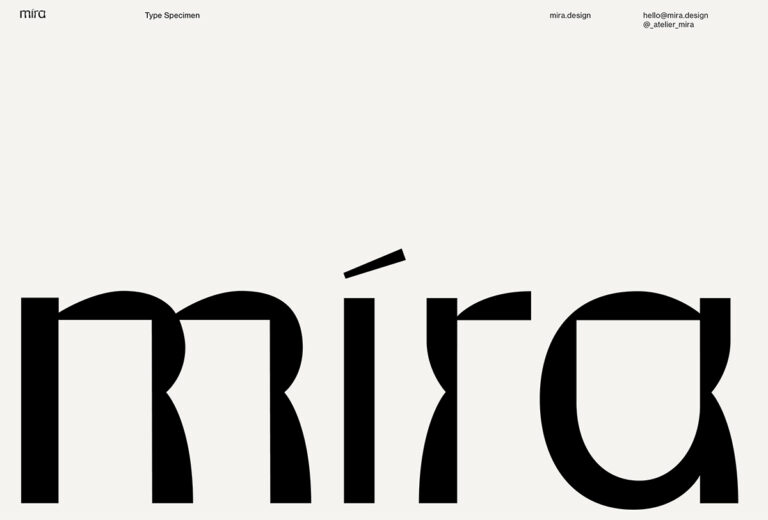
Henning Skibbe from Character Type focused on custom typography and how to make your work stand out. Alongside his custom typefaces, he talked about how to communicate typography and the creative thinking behind it. His carefully produced type specimens are much more than attractive presentation pieces: they can be an effective way to attract new clients. Print becomes a door opener, capturing attention and starting conversations.
After a coffee break, things got colorful with Carla Palette from Berlin. Under the motto “I’m not for everyone,” she presented her project LYVO, a sexual health brand built specifically for queer men of all ages. in an English-language talk. Using this project as an example, she offered a glimpse into her branding work and showed how to create a distinctive visual identity with personality and a strong sense of recognition.
Lorenz Boegli was another highlight. He has spent 40 years working with screen printing, experimenting with pigments and unusual materials. The stage was even rearranged for his talk. Rather than giving a conventional presentation, he took us on an entirely analog journey through his book Alchemie im Druck. Using a document camera, he turned the pages and displayed the printed works directly on stage. He even wore a CMYK shirt to match the occasion. It was a presentation that perfectly reflected the subject of print, both in content and appearance. His take on the evolution of printing techniques—letterpress as the past, offset as the present, and screen printing as the future—was especially memorable.
The second round through the exhibition had plenty more to offer. Fedrigoni, Igepa Group, We. Love. Print, Forum Druckveredelung, mcbw, Metapaper, Favini, Leonhard Kurz, Europapier, Druckart, and Winter & Company presented their materials and possibilities for paper and print finishing. There was a particularly lively atmosphere at the Druckerei Vogl booth, where visitors could win Pantone bottles in a ring toss game. A fun way to wrap up an eventful first day of the conference.
We ended the evening at the CPC Dinner, enjoying Bavarian specialties. It was a relaxed opportunity to share impressions from the day and make new connections.
The next morning, Franziska Neubert took the stage. The illustrator and printmaker offered personal insights into her work with the lost-form woodcut technique. Her large-format, multicolor prints were particularly impressive, as was the way she connected technique and subject matter. Identity and freedom were central themes of her talk. Drawing on personal and historical references, including photographs from East Germany and Morocco, she explored questions of heritage, self-determination, and social boundaries. Her work showed how illustration can tell stories while also encouraging us to think more deeply.
Paul Leichtfried followed with a talk about his path into information design and the founding of his studio, Studio Now, which he started with a friend. His goal is to make complex ideas and content accessible. He made it clear that good design is about much more than technical skills—it starts with the idea behind it. Empathy, intuition, and an open perspective on the world are all important parts of his approach. One line that particularly stuck with me was his guiding principle, inspired by Charles Eames: “The details are not the details. They make the design.” Because in the end, it’s often the small decisions that make all the difference.
After lunch, three short talks covered three very different topics.
Nicole Thalheim from Scholz & Friends kicked things off with the project “Wilhelm & die bunte Revolution.” In collaboration with the traditional Erzgebirge manufacturer Original Füchtner, the classic wooden nutcracker was given a fresh new interpretation. Wilhelm is the Erzgebirge region’s first non-human ambassador. The project raises an important question: Who will carry traditional craftsmanship forward into the future? Wilhelm is intended to spark a conversation about tradition, community, and what lies ahead. The message: Tough nuts are best cracked together. The high-quality packaging, created in collaboration with Koehler Paper, was another standout feature and later became part of an auction related to the project. Proceeds from the special edition also help preserve traditional craft techniques and support the next generation of craftspeople.
Next, Dr. Niina Zuber introduced ReCREATIVE, a research project by the Bavarian Research Institute for Digital Transformation (bidt). The focus was on how generative AI is changing creative work and what role human expertise will play in the future. One particularly interesting idea was that of “negative selection”: perhaps the future will be less about generating as many ideas as possible and more about choosing the right ones and developing them further. Coming up with ideas is one thing; evaluating them and giving them a direction of their own is another.
Paul Ring brought the short talks to a close with his master’s project “EU im Alltag.” Under the title “Wearing the Rules That Shape the EU,” he developed a streetwear brand that makes European regulations and political structures visible through design. Rather than simply explaining complex topics, the project makes them tangible through fashion and visual communication. His approach: aesthetics as a vehicle for taking a stand. Through visual markers instead of lengthy explanations, and personal encounters instead of simply providing information, he creates a new way of engaging with Europe.
After another coffee break and a quick stop at the exhibitors’ booths, the program continued with Simone Koller and Corina Neuenschwander from Studio NOI. Using a range of projects, the two designers showed how important it is to question briefs, rethink topics, and explore unexpected approaches. Their insights into projects such as “Einfach Zürich” and “Zehn Leben – die Geschichten einer Stadt” were particularly interesting. Their publication about Doris Stauffer, based on extensive research, also demonstrated how research, personal reflections, and historical context can come together to create a distinctive piece of design work. One thought that stood out was the importance of trusting the impact of a gesture and not always telling stories in the most obvious way.
Yannick Nuss from Maastricht brought the conference program to a close. His work covers a wide range of print and graphic design, from posters and publications to books, which make up a large part of his practice. He shared insights into his creative process and his approach to working with images, drawing inspiration from pop culture, film, and science fiction. By collecting, combining, and rearranging visual material, he creates new compositions and unexpected connections. His presentation offered an interesting look at the many possibilities of print and the different ways images can be used to tell stories.
Two days of inspiration, interesting conversations, and beautiful printed pieces came to an end. Once again, the Creative Paper Conference showed just how versatile print can be and how much design, craftsmanship, and creativity go into paper and print.
In an increasingly digital world, it’s great to take the time to explore real materials, special finishing techniques, and ideas brought to life in print.
Seriously?! Print is alive and well!
Two inspiring days filled with creative ideas, fascinating talks, great conversations, and plenty of beautiful print. The Creative Paper Conference is always a wonderful opportunity to connect with people who share a passion for paper, print, and design.
A heartfelt thank-you to the entire organizing team, all the speakers, and exhibitors for making this 20th anniversary edition such a memorable event. It’s always a pleasure to be part of it!
Looking forward to the next one!
© Photos by Samira Niedermayer