Campo e Cidade na América Latina
How can dense archival research become a spatial experience?
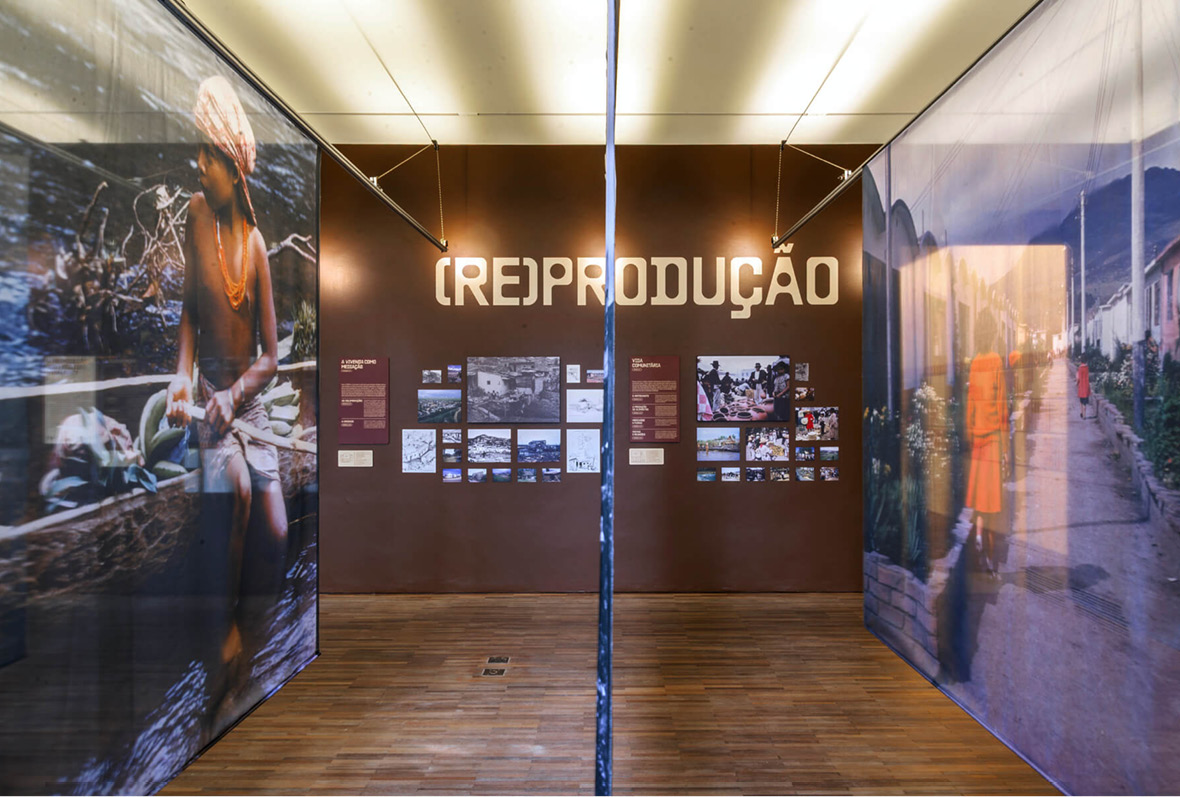
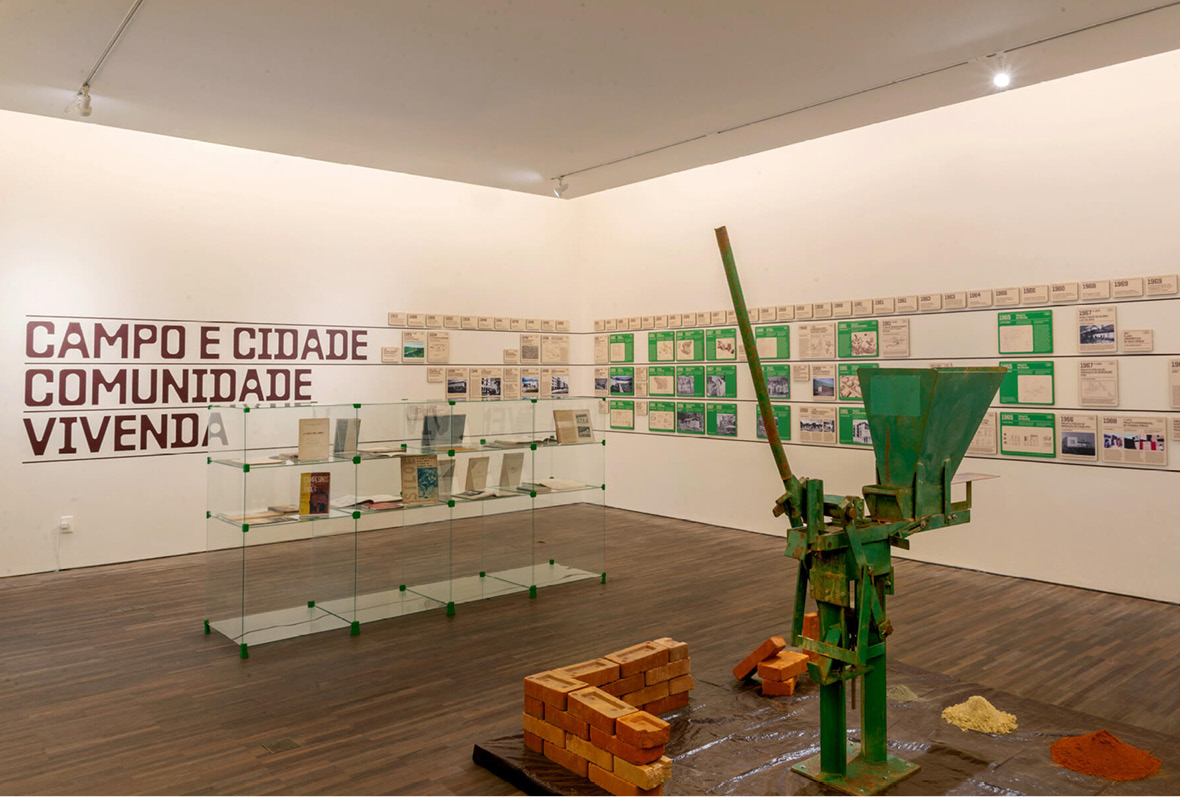
The exhibition Campo e Cidade na América Latina at University of São Paulo’s Centro MariAntônia presented a selection of architectural and urban planning experiences developed between Brazil and other Latin American countries throughout the 20th century. By articulating technical knowledge and community practices, the exhibition proposed to denaturalize the dichotomy between countryside and city and reopen the debate on the persistent inequalities, dependencies, and geopolitical disputes in Latin America, reaffirming the urgency of rethinking the relationships between culture, territory, and housing on the continent.
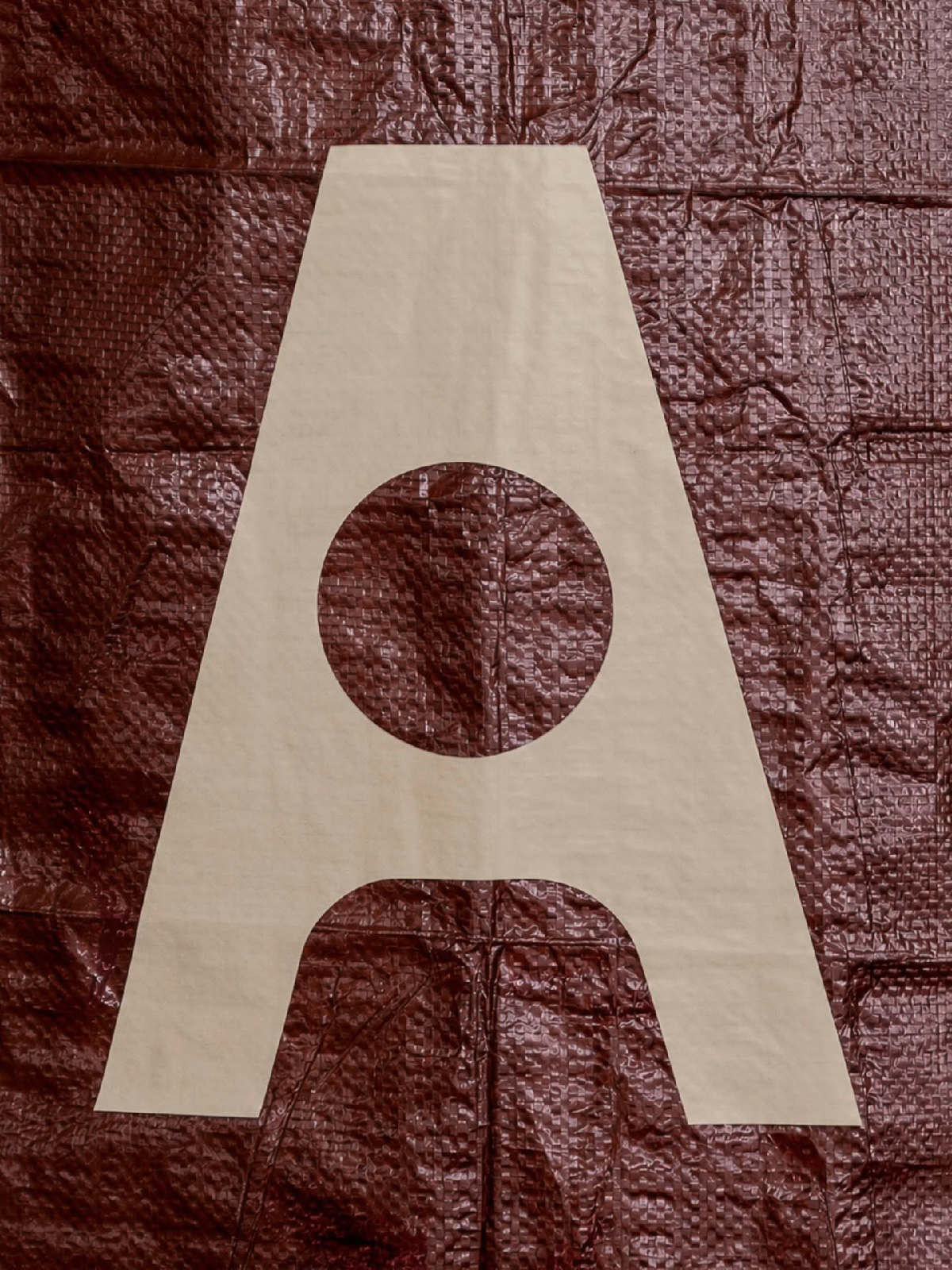
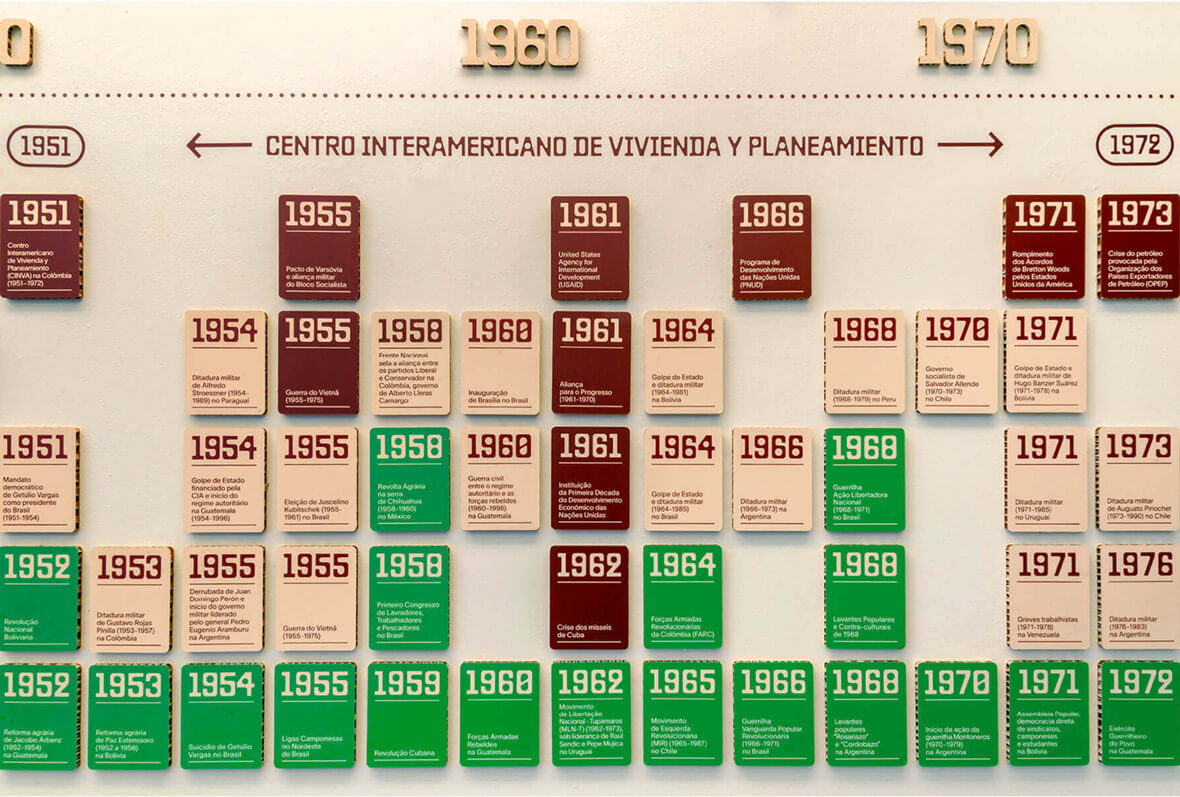
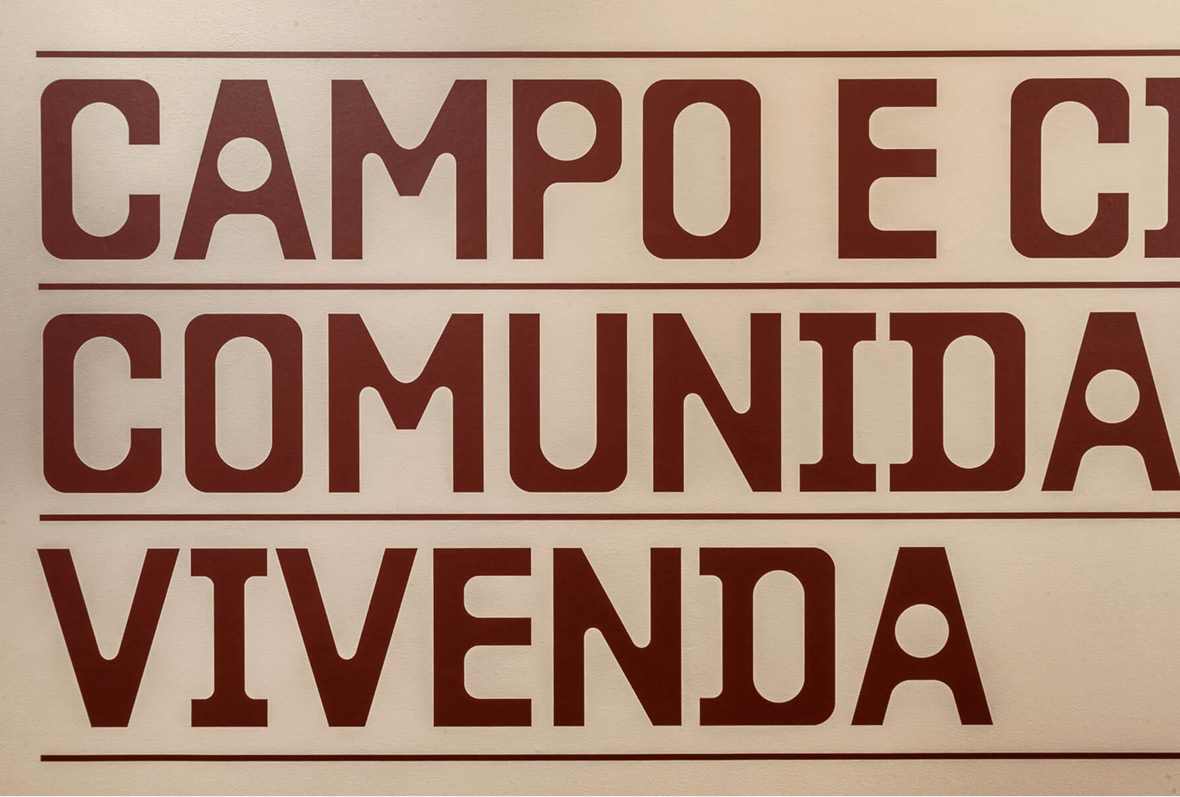
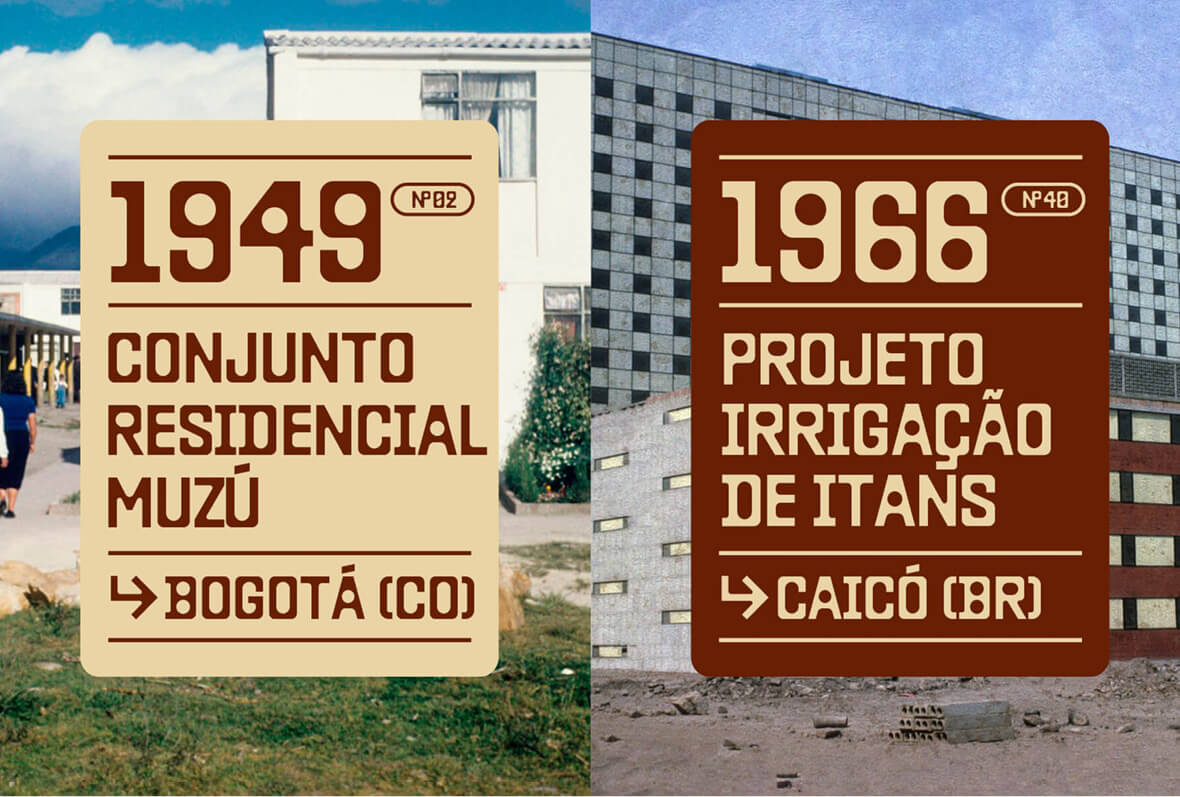
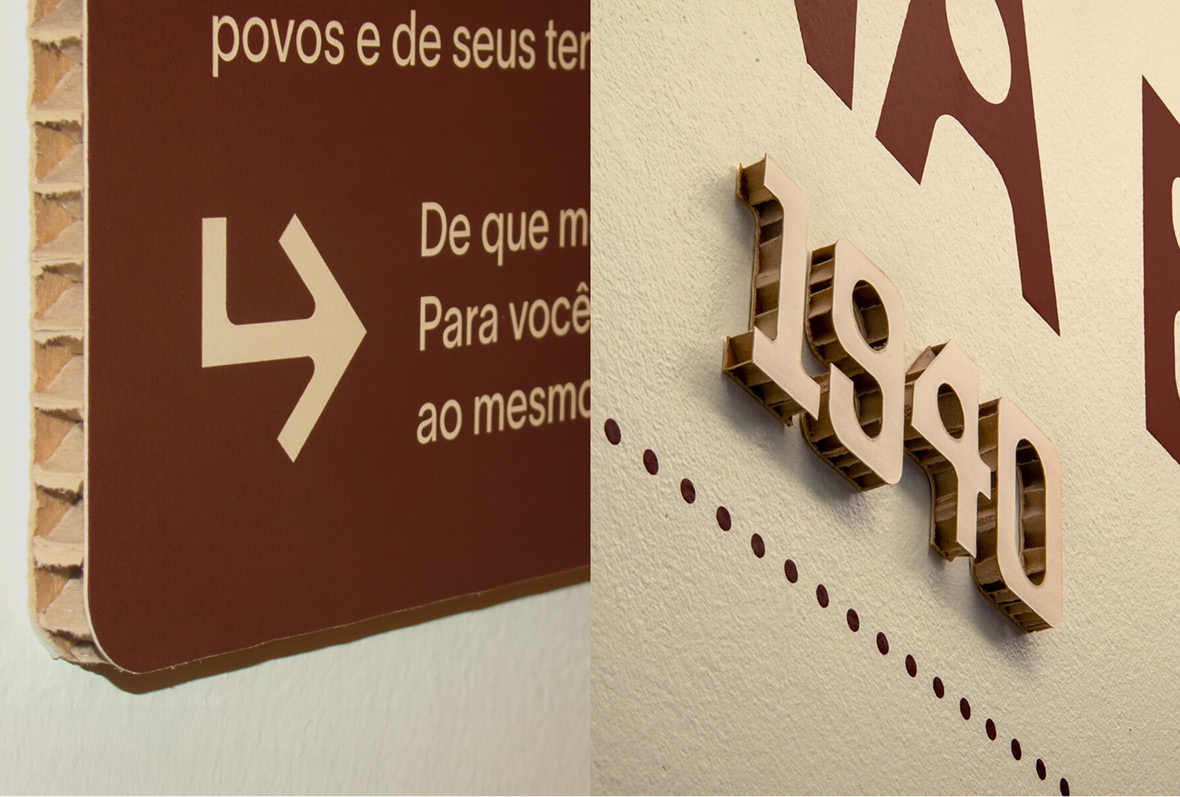
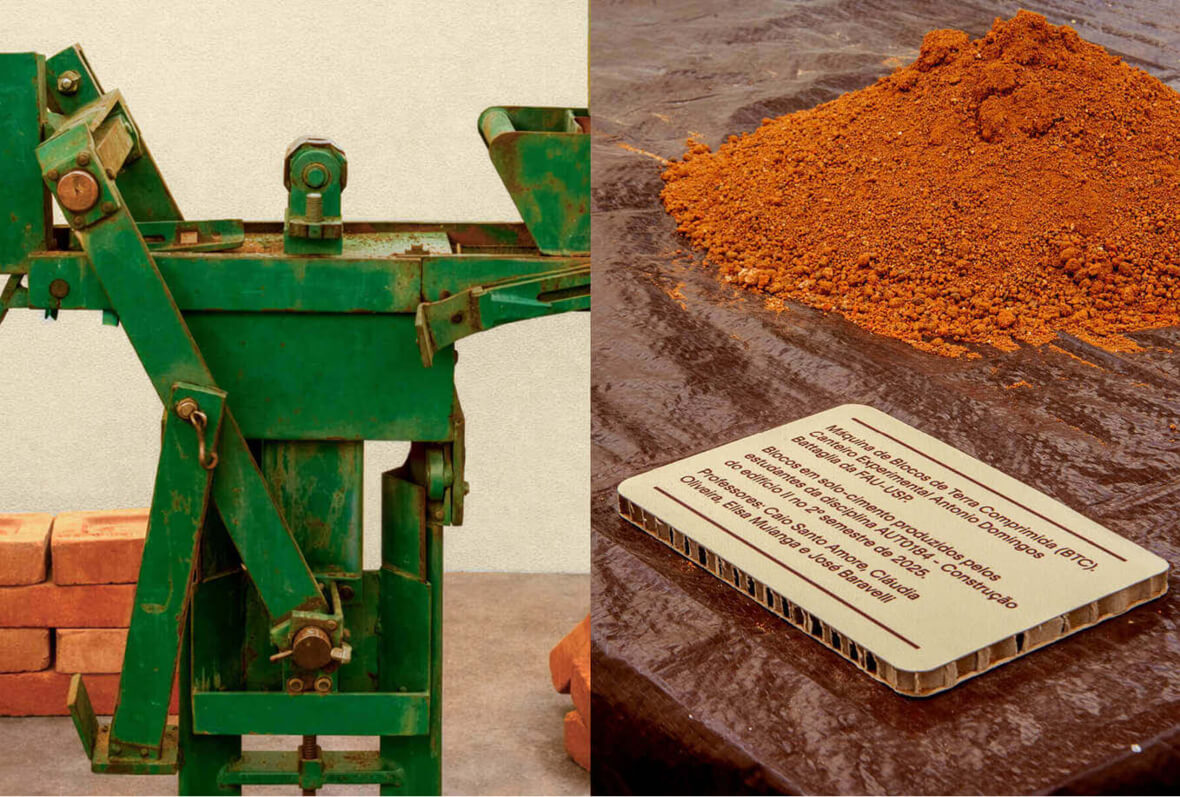
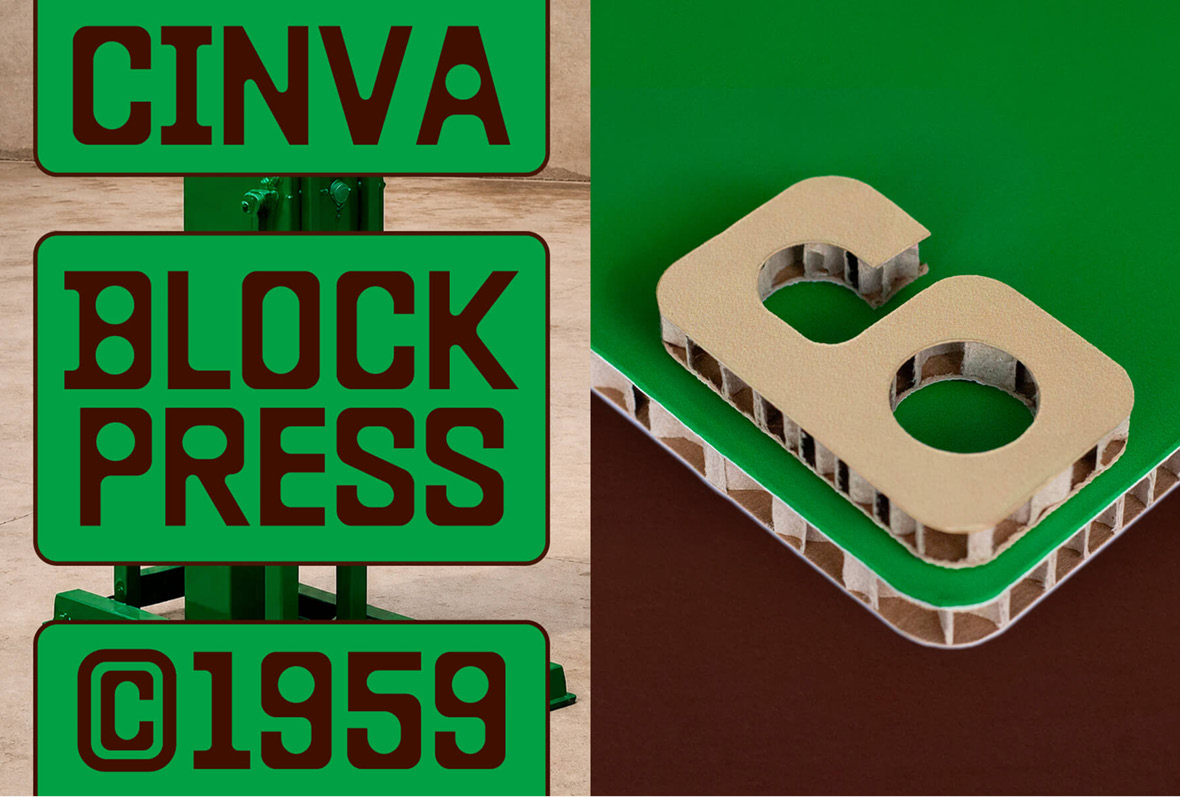
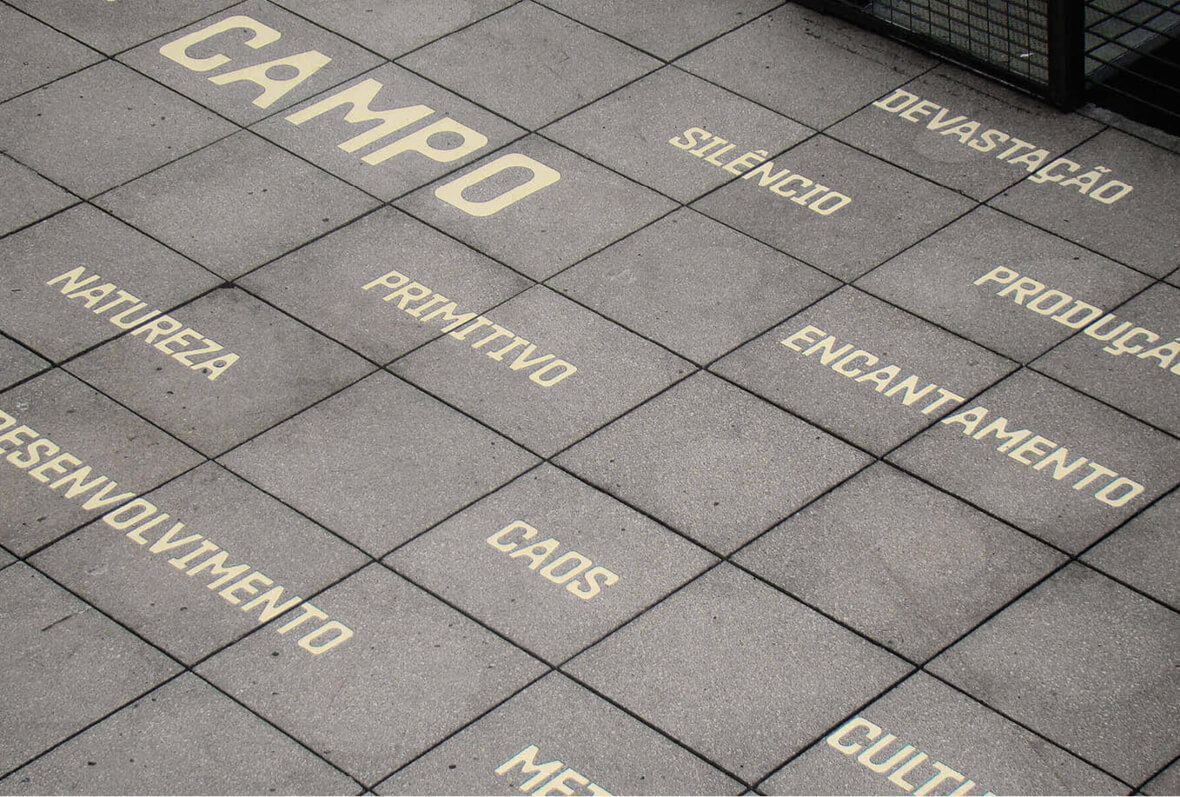
The design team for the exhibition had the challenge of translating the theoretical density of the material into an accessible spatial narrative. One of the main guiding principles of the project was to bring the materiality of the theme into the exhibition space; cardboard panels with exposed sides and truck tarpaulins were used as supports for the text. The selected typeface was Baste, by Lift Type; its blocky, rectangular shape with round corners alludes to the aesthetics of construction blocks and the interlocking of the machinery. The round corners of the typeface were also replicated in the outlines of the exhibition panels. Baste was coupled with Lausanne by TWK for the texts.
This design project is shortlisted at the 2026 Latin American Design Awards.
Exhibition
November 25th 2025 to May 31st 2026
São Paulo, Brazil
Credits: Goma Oficina
Graphic Design: André Stefanini and Flora Milanez, assist. Douglas Santiago
Architecture: Vitor Pena, Gabriela Toral
Photography: Cat Tenório, Douglas Santiago, Fernando Banzi, Jessica Silva, Lauro Rocha, Tiago A. Santana
Exhibition Photos: Lauro Rocha
Curated by: Nilce Cristina Aravecchia Botas, Beatriz Barsoumian de Carvalho, Eduardo Verri Lopes, Juliana Silva Ramos e Matheus Bonini Machado