Fujifilm Milan
Inside Faithful Design
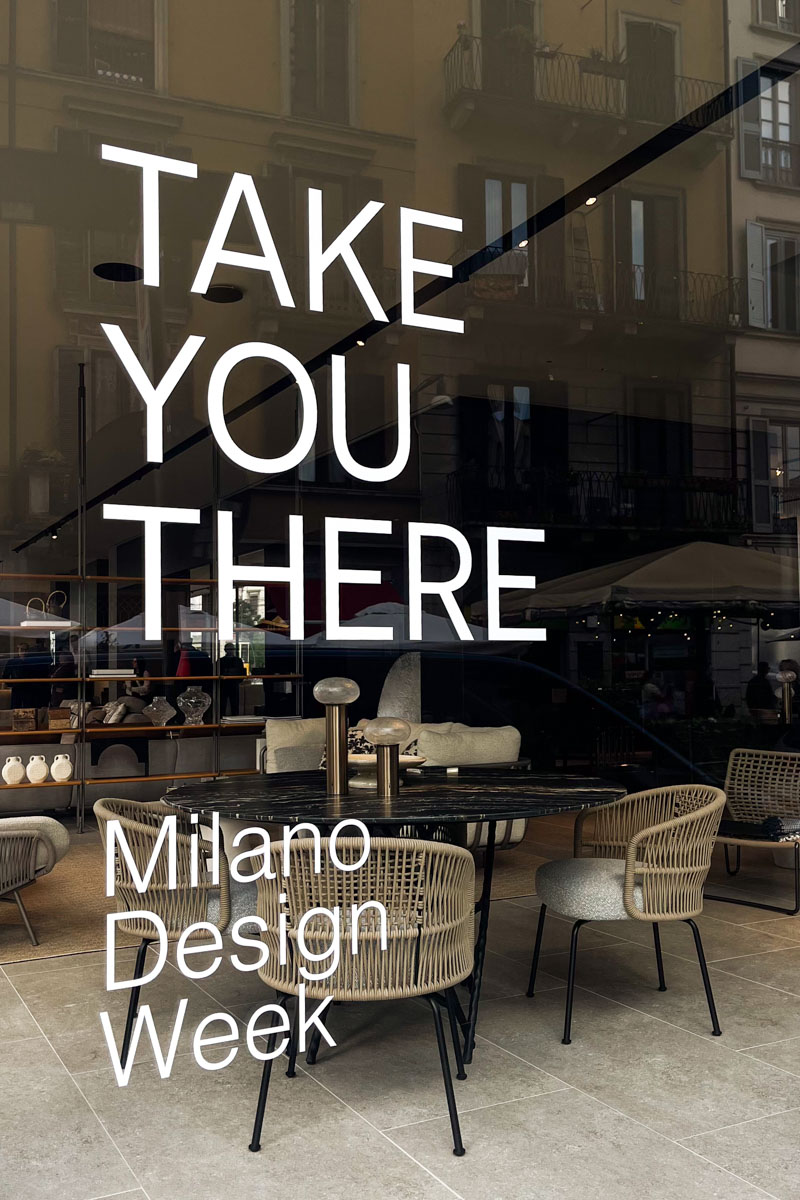
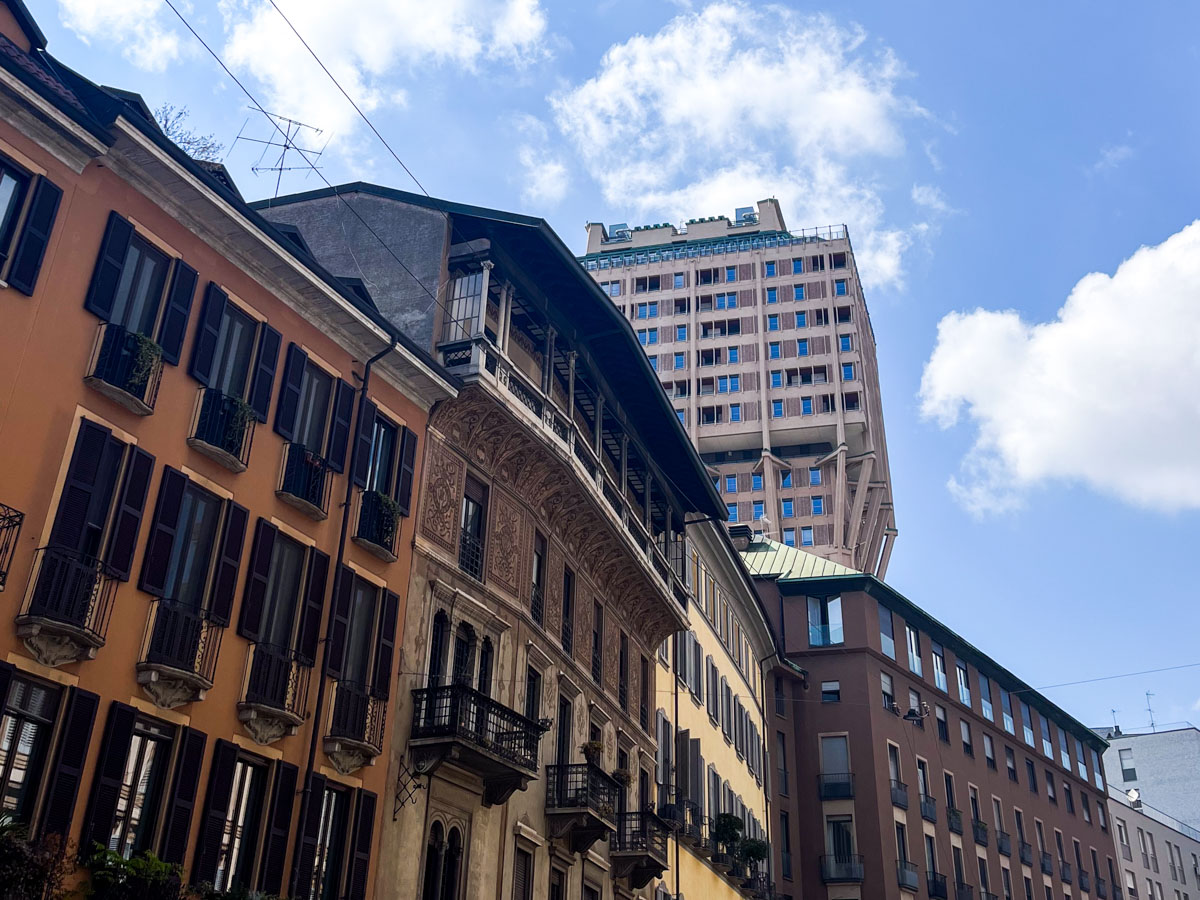
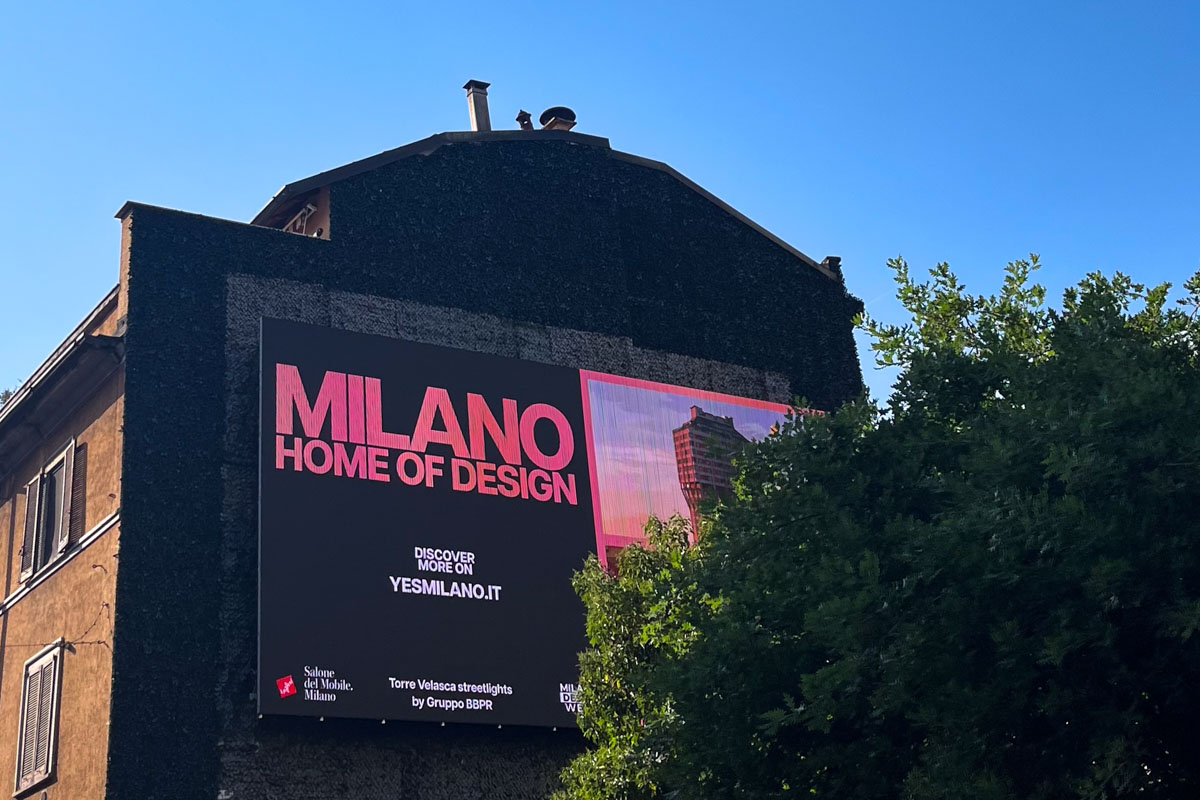
From April 21 to 22, we had the pleasure of being invited by Fujifilm to Milan during the city’s Design Week. Milan represents the ideal place to showcase a design approach that puts people at the center, focusing on their real needs and the ongoing dialogue between innovation, culture, and responsibility.
With this event, Fujifilm aimed to convey the essence of its “Faithful Design” philosophy: an approach that places authenticity, innovation, and genuine attention to people’s needs at the center. For the first time, Fujifilm, the Japanese multinational company, presented its innovative approach to design, giving us exclusive insights into its “Faithful Design” strategy.
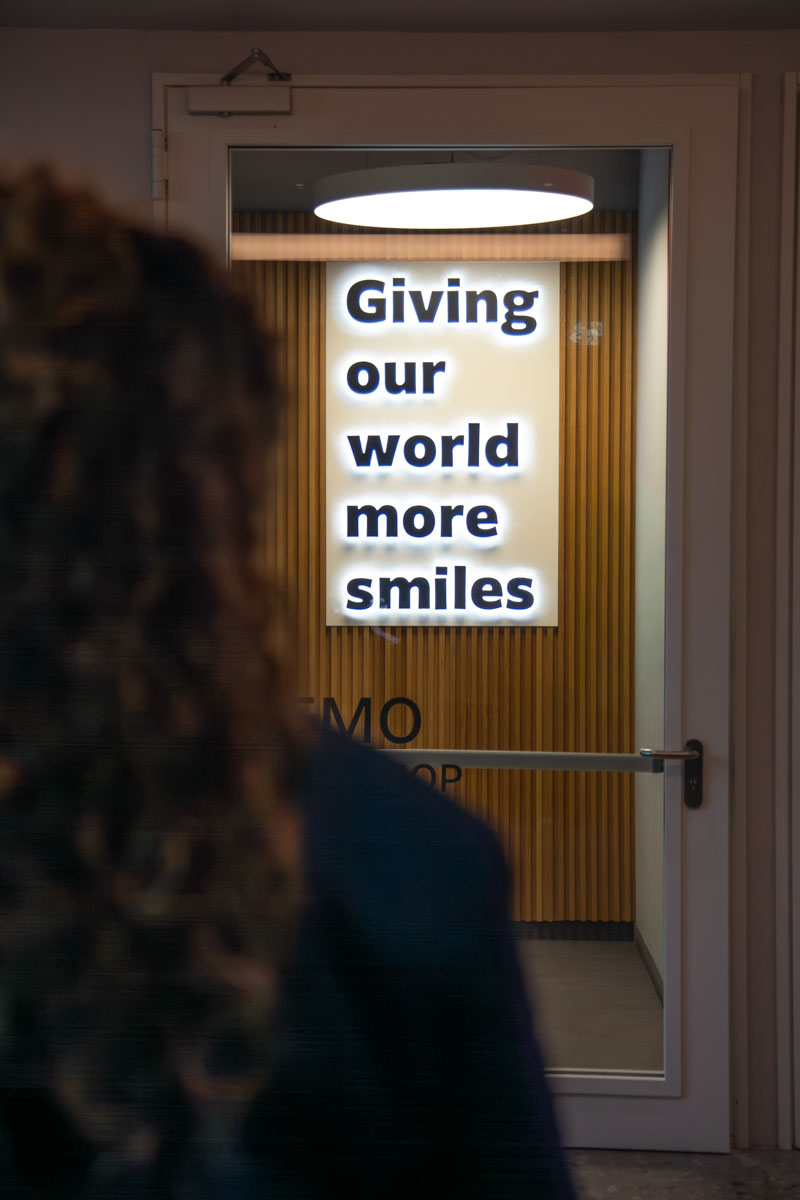
FUJIFILM Holdings Corporation, headquartered in Tokyo, operates globally across four key business segments: healthcare, electronics, business innovation, and imaging. With over 70,000 employees, the company leverages its proprietary core technologies and long-standing expertise to develop products and services worldwide. Guided by its Group Purpose “giving our world more smiles,” Fujifilm aims to address social challenges while creating value for a broad range of stakeholders. Its medium-term management plan VISION2030 sets the strategic direction toward FY2030, with the ambition to further evolve as a portfolio of global leading businesses.
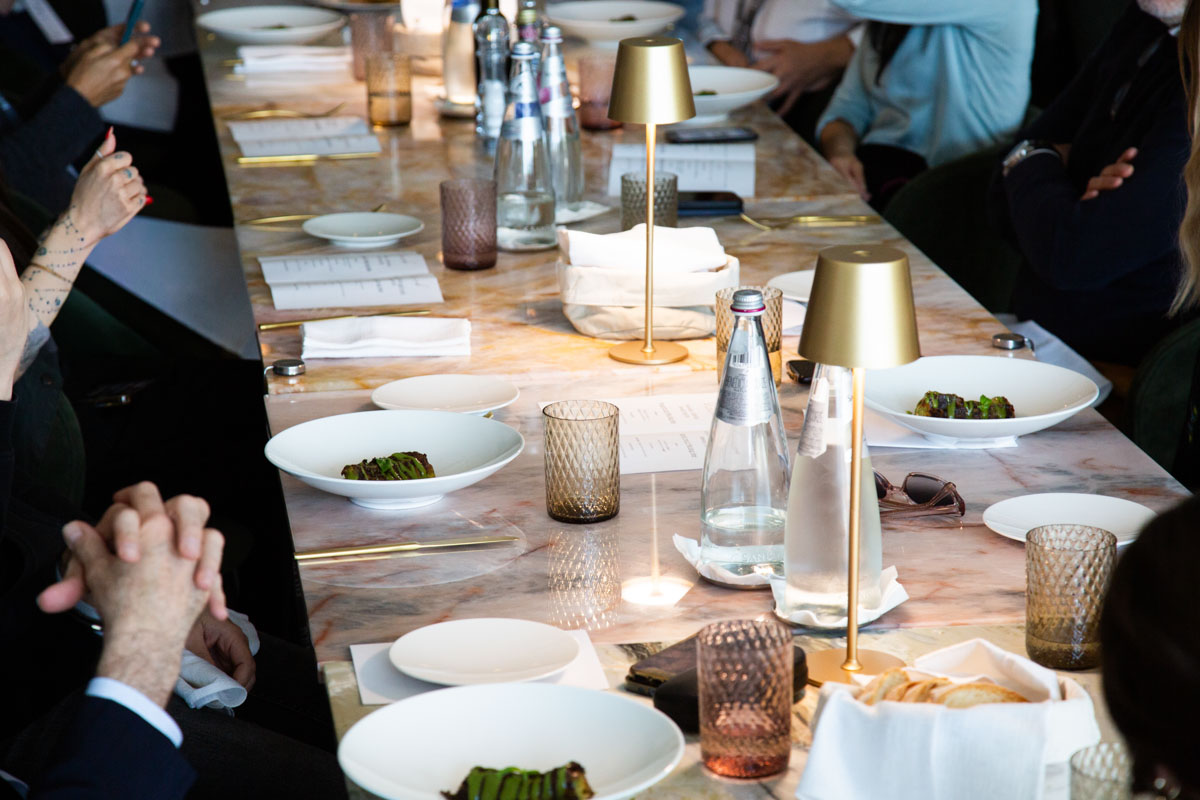
The experience began in the spirit of Milan Design Week itself. After arrival, the first evening set the tone with a Welcome Dinner under the theme “Milanese Heritage & Aesthetic Warmth” at Trattoria dei Cacciatori. The relaxed setting offered a first opportunity to meet the two designers, who had just arrived from Tokyo, creating an informal start and an initial sense of connection for the day ahead. An overnight stay at the hotel followed, including breakfast the next morning, before the program officially began.
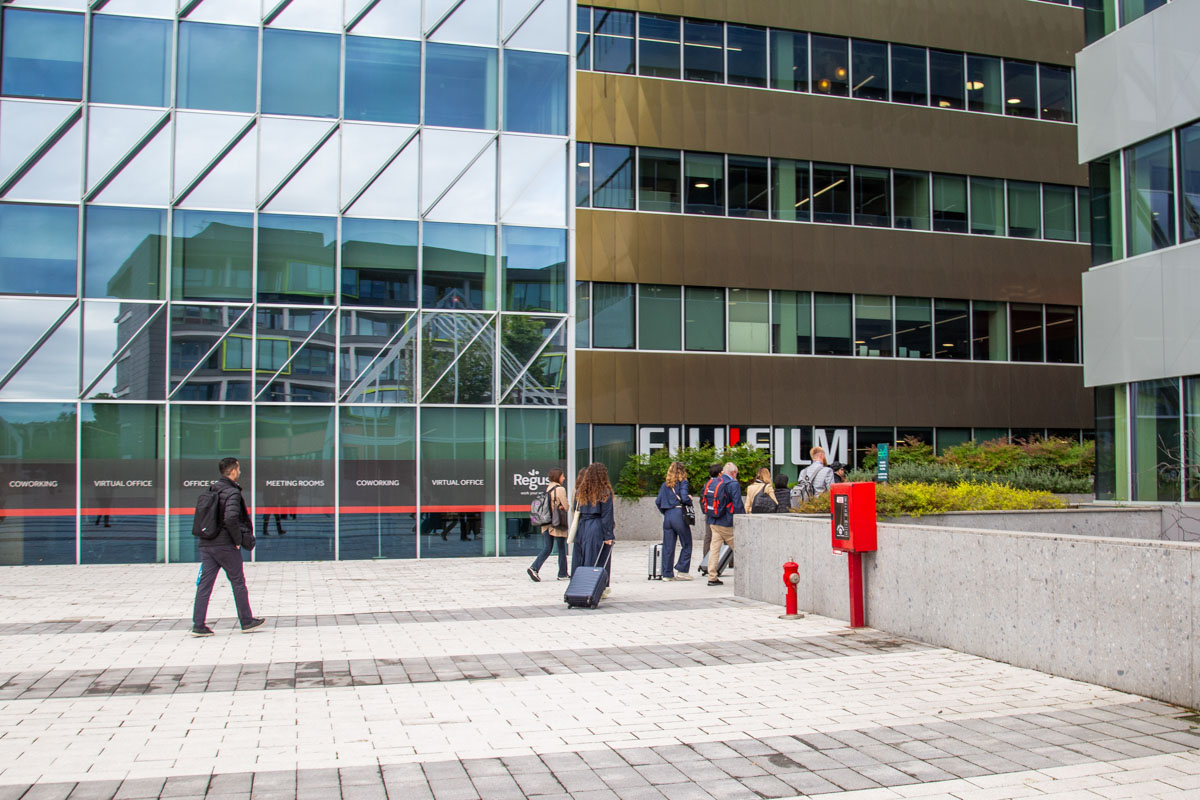
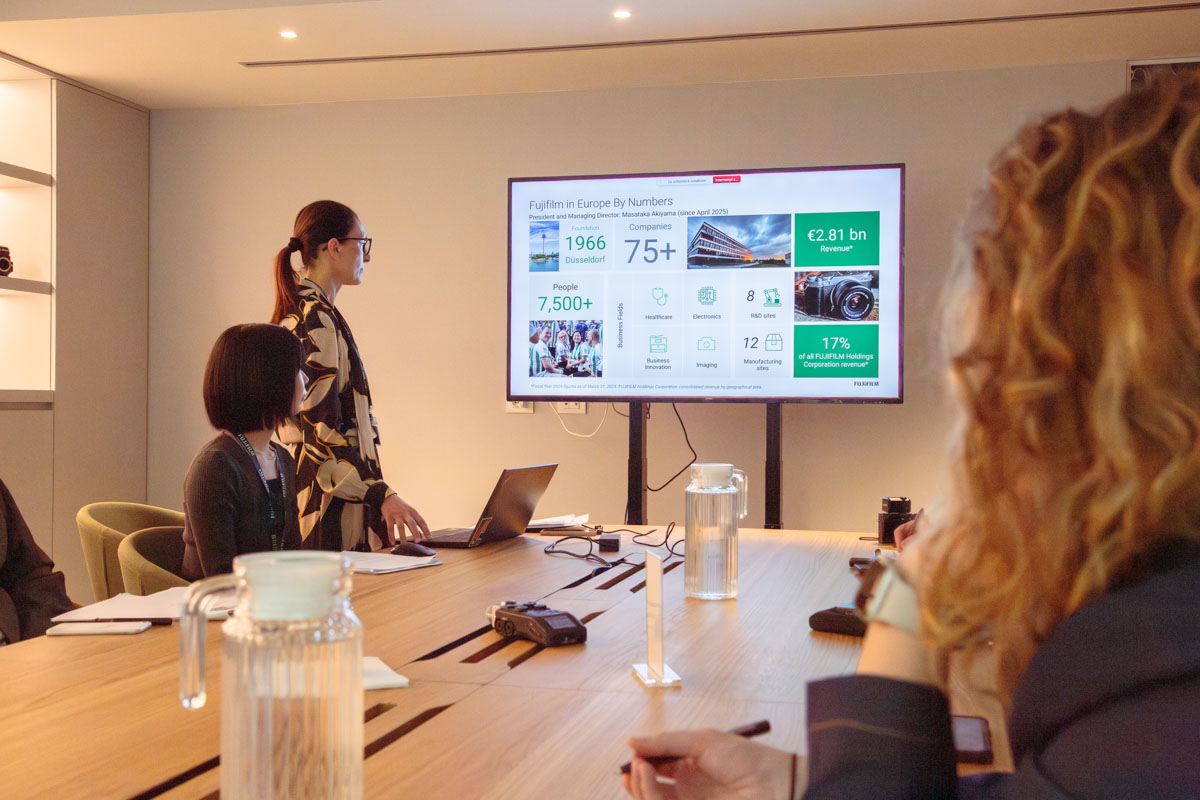
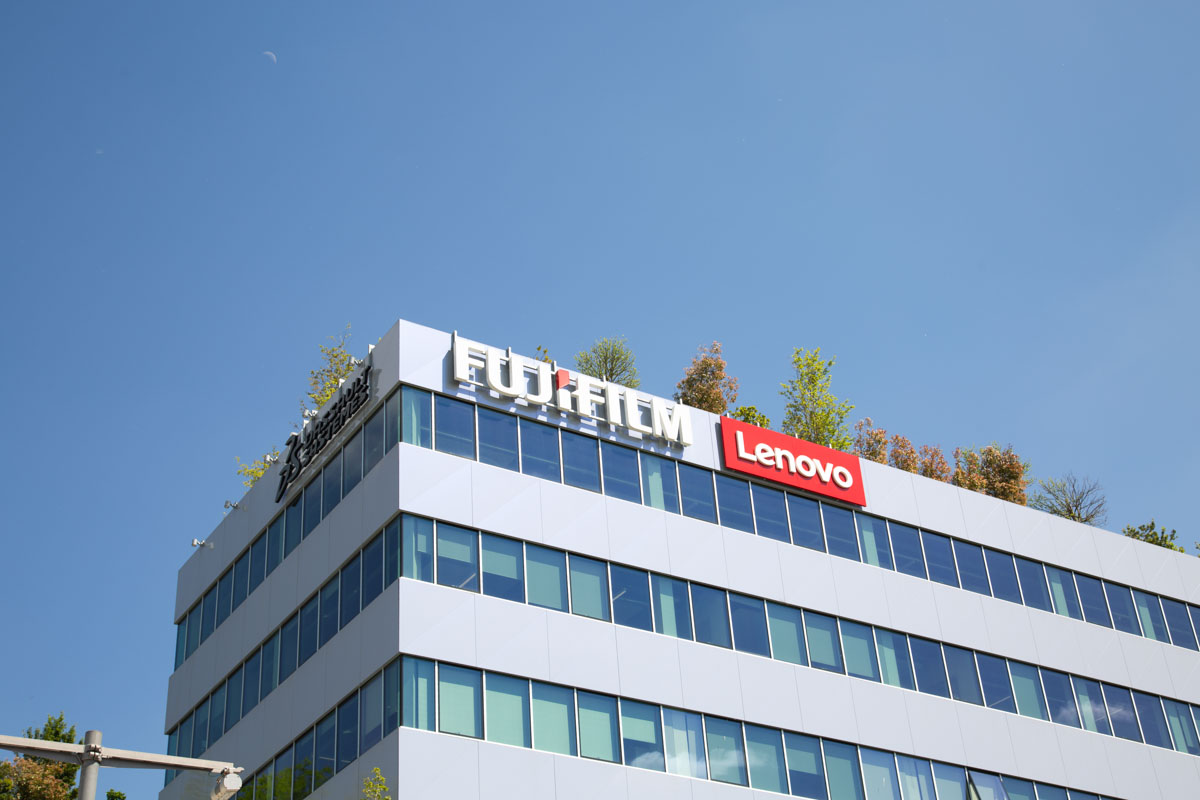
The following morning marked the start of the official “Fujifilm’s Faithful Design” day at the headquarters of FUJIFILM Italia S.p.A. The day opened with a welcome by Mr. Fabio Santambrogio, Corporate General Manager of FUJIFILM Italia S.p.A. This was followed by a corporate presentation from Luana Porfido, European Head of Corporate Communication and ESG Management at FUJIFILM Europe GmbH, providing deeper insights into Fujifilm’s transformation, purpose, and sustainability approach.
She highlighted that Fujifilm’s evolution from a photographic film manufacturer to a diversified global technology group is central to understanding its current identity. Established in 1934, the company has gradually expanded beyond imaging, with healthcare now representing its largest business segment, alongside electronics, business innovation, and imaging. This shift reflects a long-term transformation driven by Fujifilm’s proprietary core technologies and continuous adaptation to societal and technological change.
A key element of Fujifilm’s transformation is its Group Purpose “giving our world more smiles,” which, as Luana explained, is not a slogan but a guiding principle for all business decisions. It reflects the company’s long journey from photography to healthcare and diversified technologies, with the aim “to serve the society for the better.”
She emphasized that this mindset requires constant reflection on impact: “it’s not just simply, I did my task, but my task has a scope,” focusing on whether products create real value for society—through sustainability, usability, or responsible communication. Improvement is seen as continuous: “it’s constantly trying to improve yourself, to impress a positive sign on society.”
Sustainability is embedded in strategy through the Sustainable Value Plan 2030, aligned with global frameworks such as the SDGs. Europe plays an active role in this shift, especially through a strong green mindset in countries like the Netherlands and Denmark.
Fujifilm’s global structure supports this approach by enabling knowledge sharing across regions, summarized as: “we really have in our toolbox all what we need to realize our purpose.”
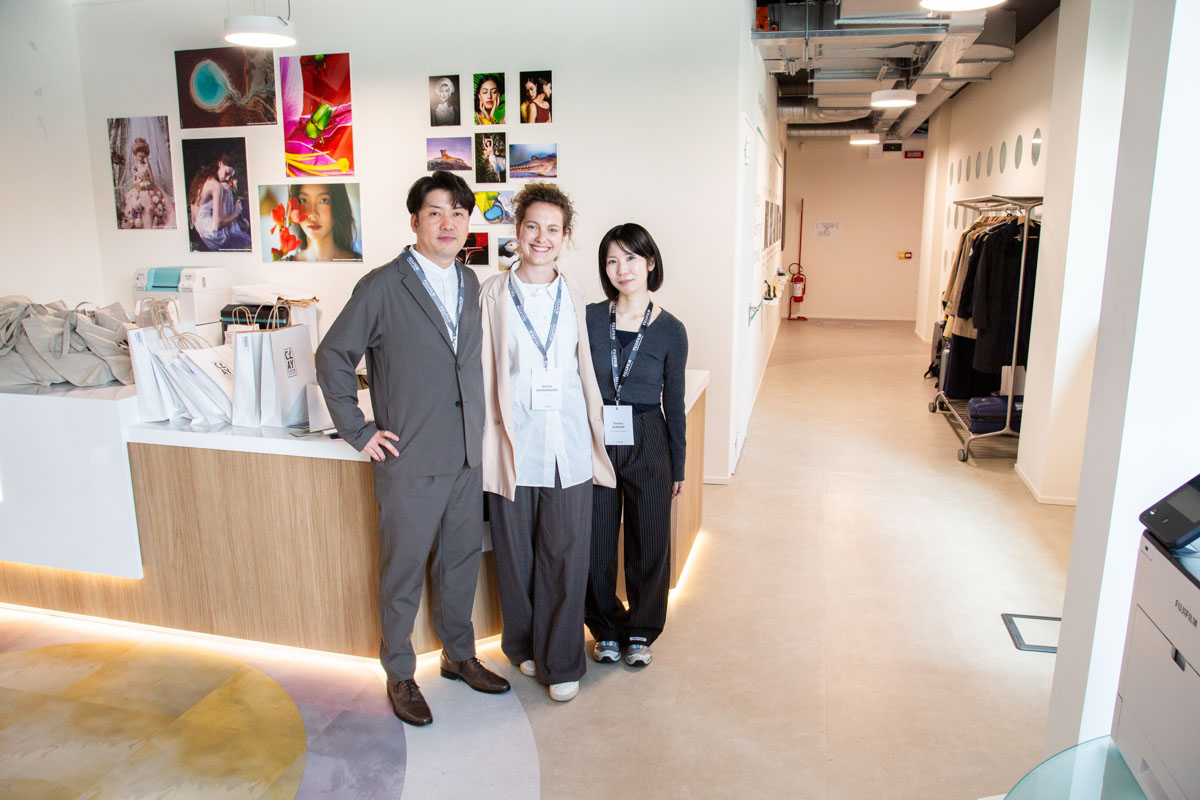
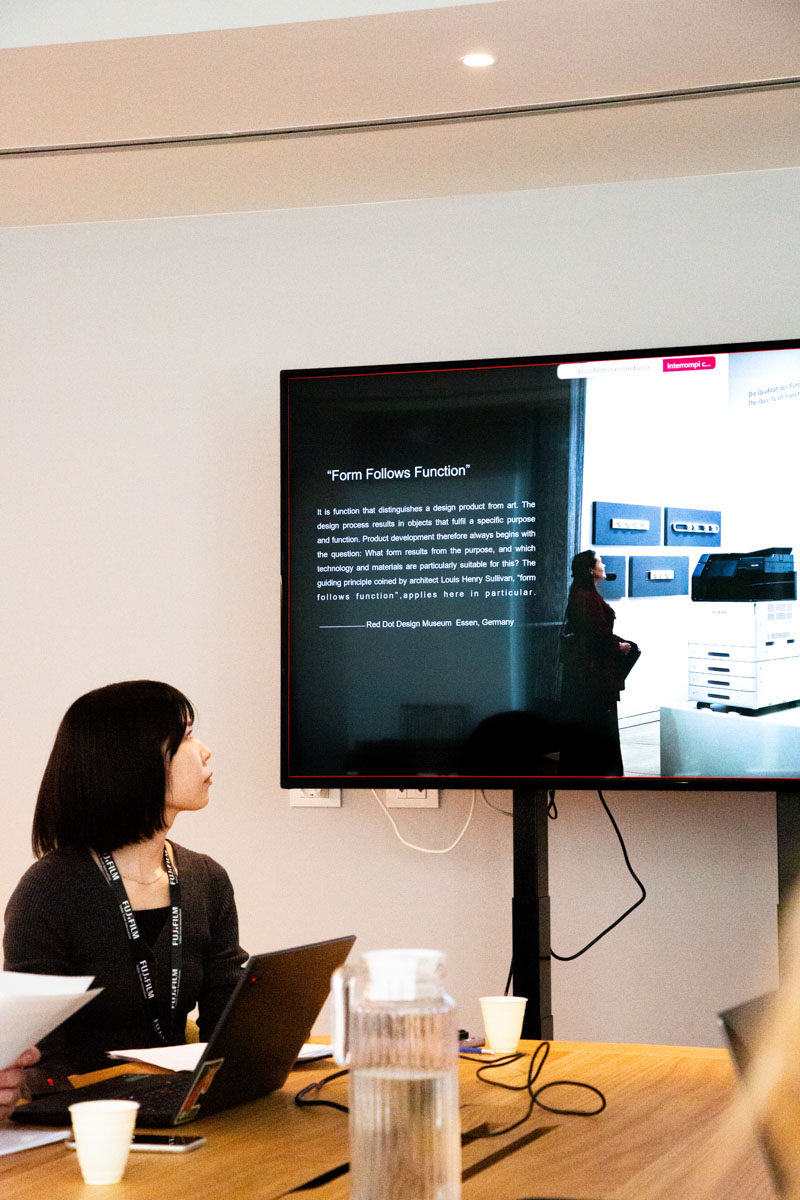
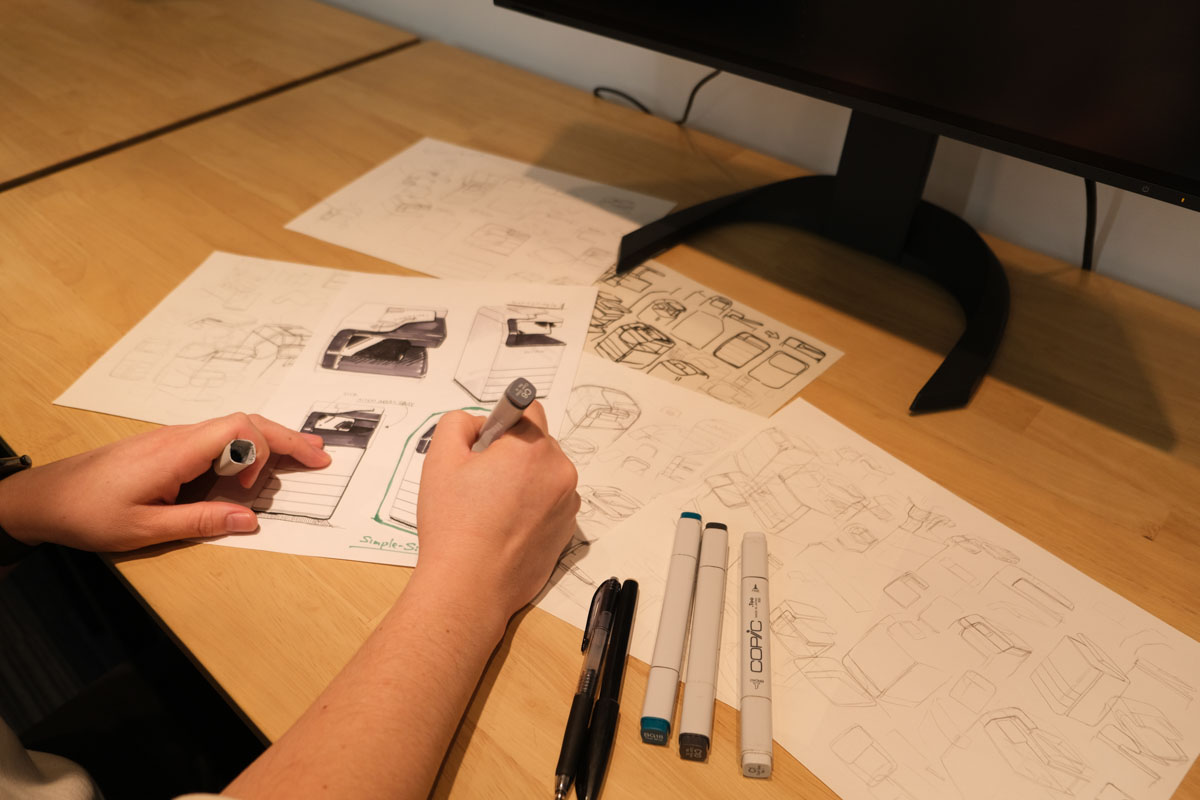
The focus then shifted to the designers who had travelled from Japan for the occasion, particularly Sumire Kuroda and Masahiko Yamamoto. Throughout the session, they presented Fujifilm’s design philosophy alongside concrete case studies, showing the full process from early sketches to final production. The program was complemented by direct Q&A sessions and interview exchanges.
Sumire Kuroda, User Interface Designer, joined Fujifilm in 2020 and works across medical systems and digital healthcare solutions. Her focus is on designing intuitive interfaces for complex environments such as endoscopes and medical IT systems. One of her key projects was an app for drug identification, aimed at reducing workload and improving accuracy in clinical practice.
Masahiko Yamamoto, Industrial Designer, has around 15 years of experience in industrial design and joined Fujifilm Business Innovation in 2019. He is responsible for the exterior design of office and industrial printers and currently serves as lead designer for flagship models of the Apeos series.
A central theme of their presentation was “Faithful Design.” The designers emphasized that innovation begins with real-world observation rather than purely technical translation. As they explained, design is shaped by “observing on-site” and capturing unspoken user needs, which are then translated into solutions that reflect real human behavior. Sumire Kuroda added: “Whenever we as a team face the challenge of designing a new product, we start with what people highlight as areas for improvement in their everyday lives.”
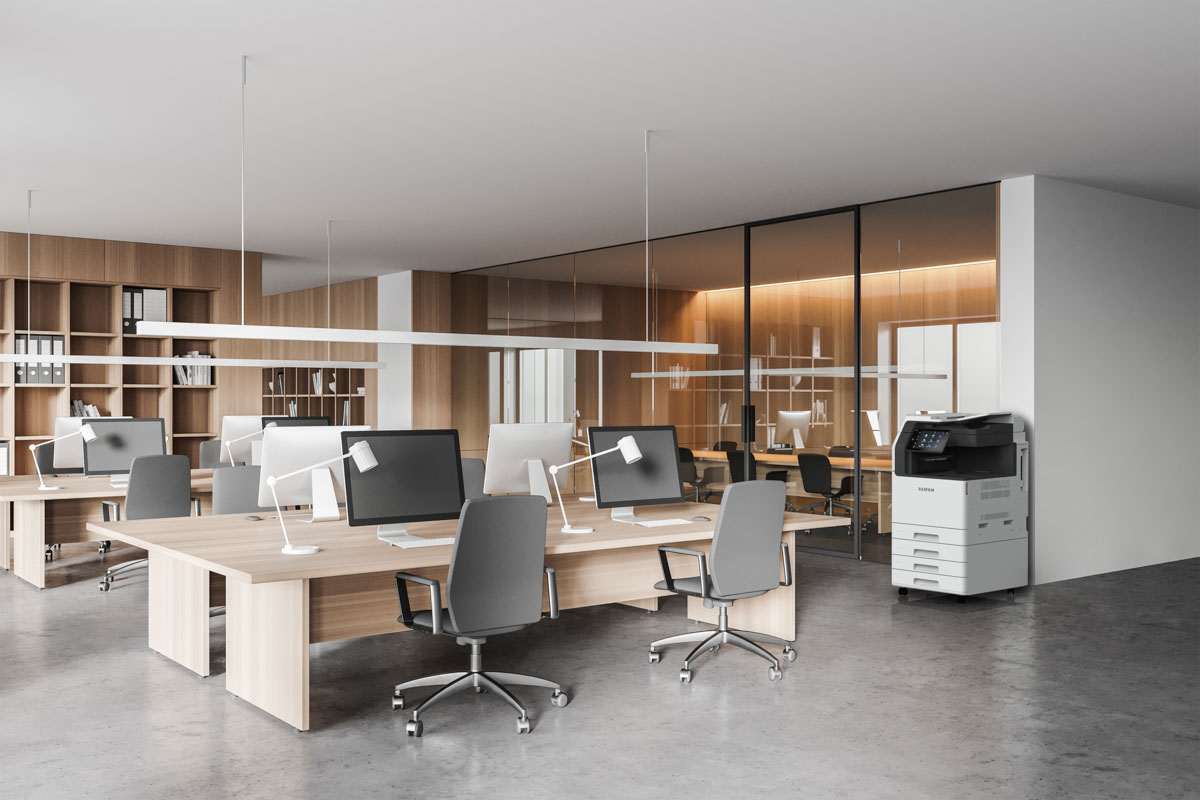
A key example of his design approach was the development of a multifunction printer in 2021. The project began with a fundamental question: what will the workplace of the future look like, and how will the relationship between people, their environment, and their tools evolve? Yamamoto emphasized that offices are no longer purely functional spaces, but are becoming more human-centered environments that foster comfort, interaction, and belonging. In this context, the device itself was redefined—not just as a machine for printing, scanning, and copying, but as an active assistant supporting users in their daily work.
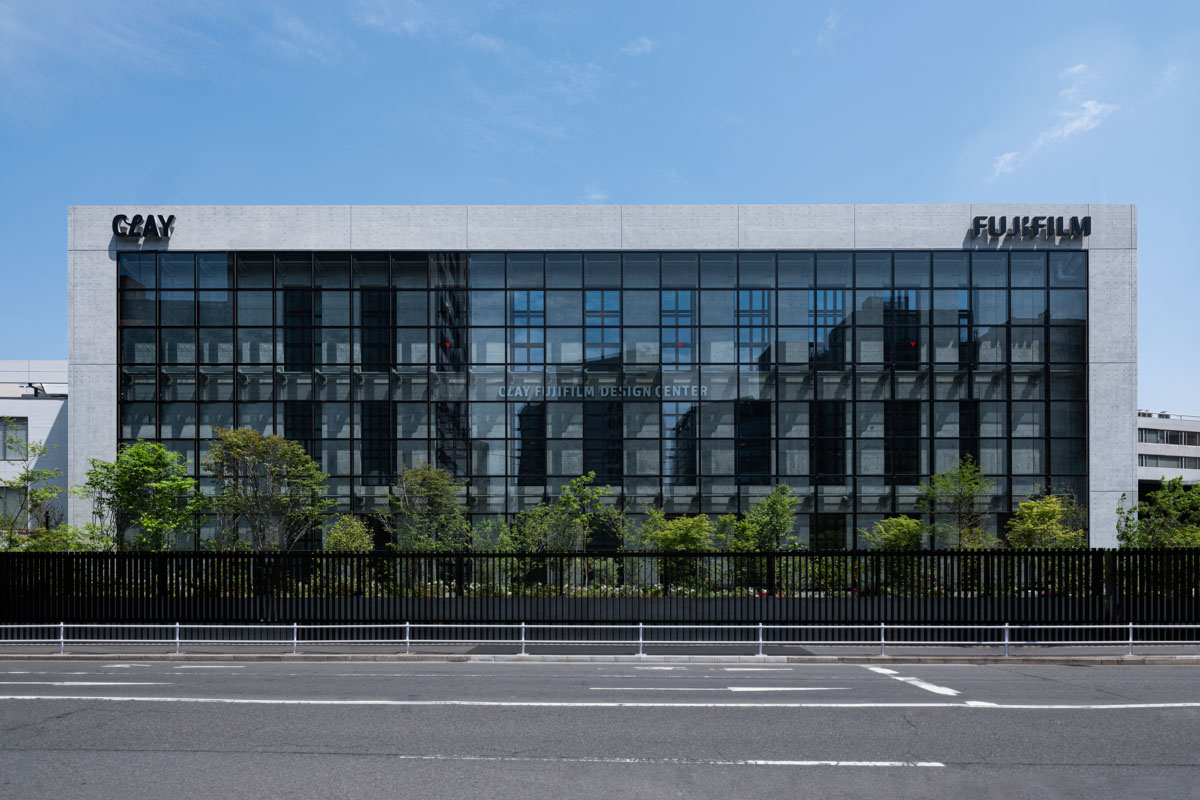
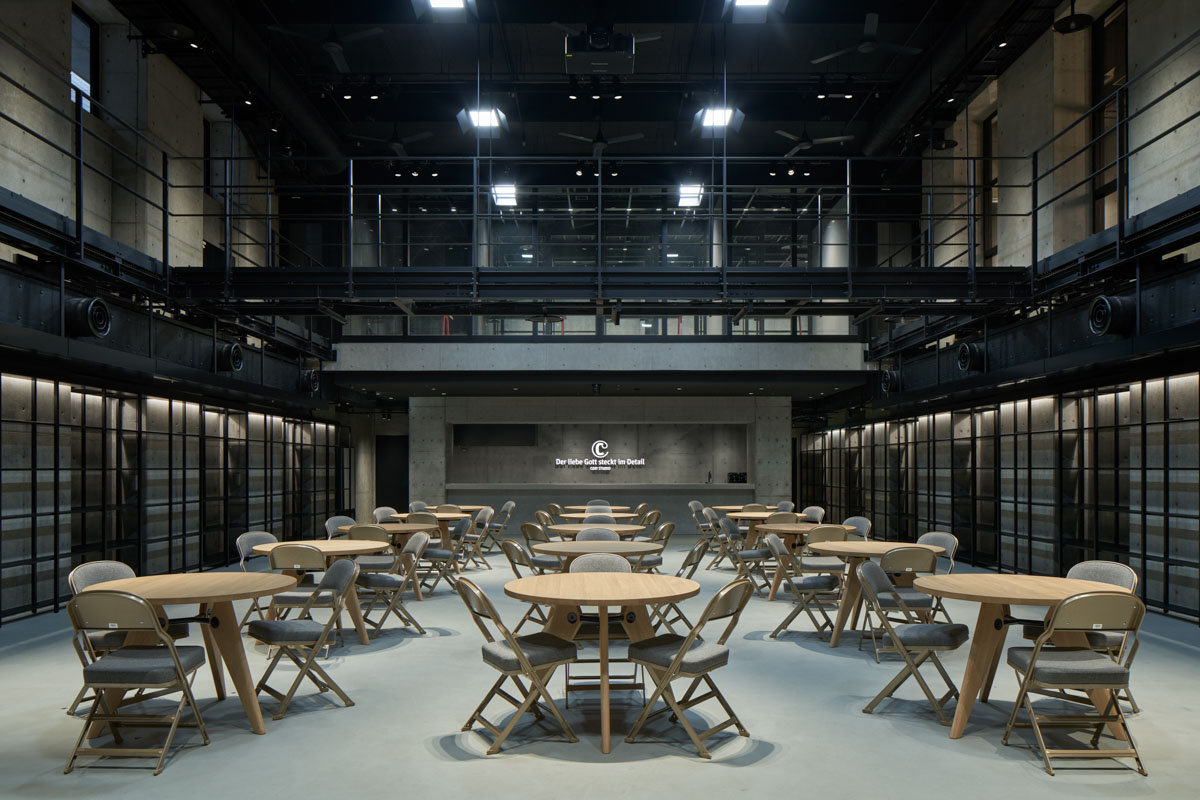
The design process is supported by the Fujifilm Design Center, which has operated as an independent studio since 2017. To further strengthen collaboration and creativity, CLAY STUDIO was opened in May 2023 as the current design hub. The space was entirely designed by Fujifilm’s own teams—from architecture and interiors to lighting, furniture, and green areas—reflecting a collective design approach that fosters exchange and shared creativity.
Cross-disciplinary collaboration is a core principle of this environment. Designers from healthcare, imaging, and business innovation work closely together in a highly integrated setup. Weekly sessions with around 100 designers enable continuous exchange of ongoing projects, insights, and learnings, ensuring that ideas from one field can inspire others across the organization.
This collaborative way of working is also reflected in Fujifilm’s growing number of design awards. Products across categories—from cameras to medical systems—have received numerous recognitions both in Japan and internationally. In April 2025, Fujifilm was honored with 23 Red Dot Design Awards, one of the world’s most prestigious competitions, recognizing excellence in functionality, ergonomics, and user-centered design.
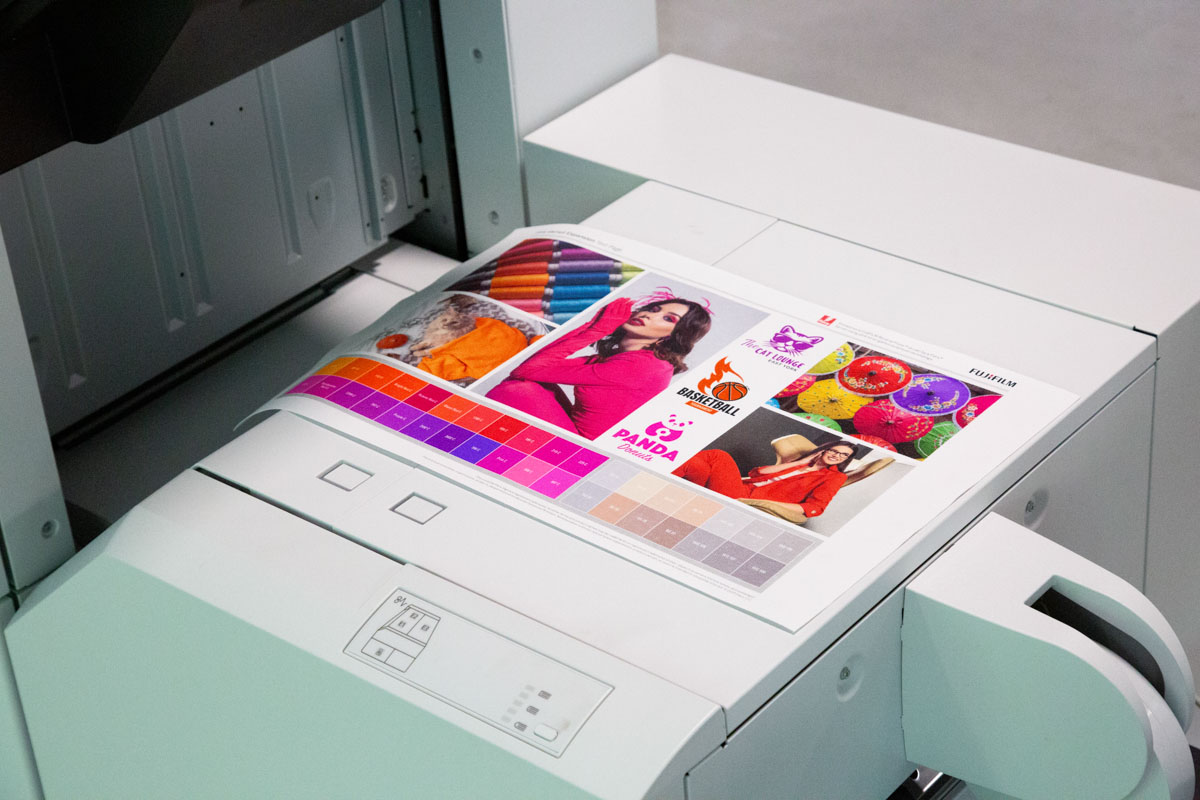
Among the winners, the Apeos Digital Color Multifunction Printer will be showcased until June 2026 at the Red Dot Design Museum in Essen. The product reflects a deep understanding of how design can shape user experience—from its clean, seamless silhouette to its intuitive interface designed for real working environments. More than a tool, it acts as a thoughtful companion for everyday tasks, combining cloud connectivity, AI, and human-friendly usability in a sleek form.
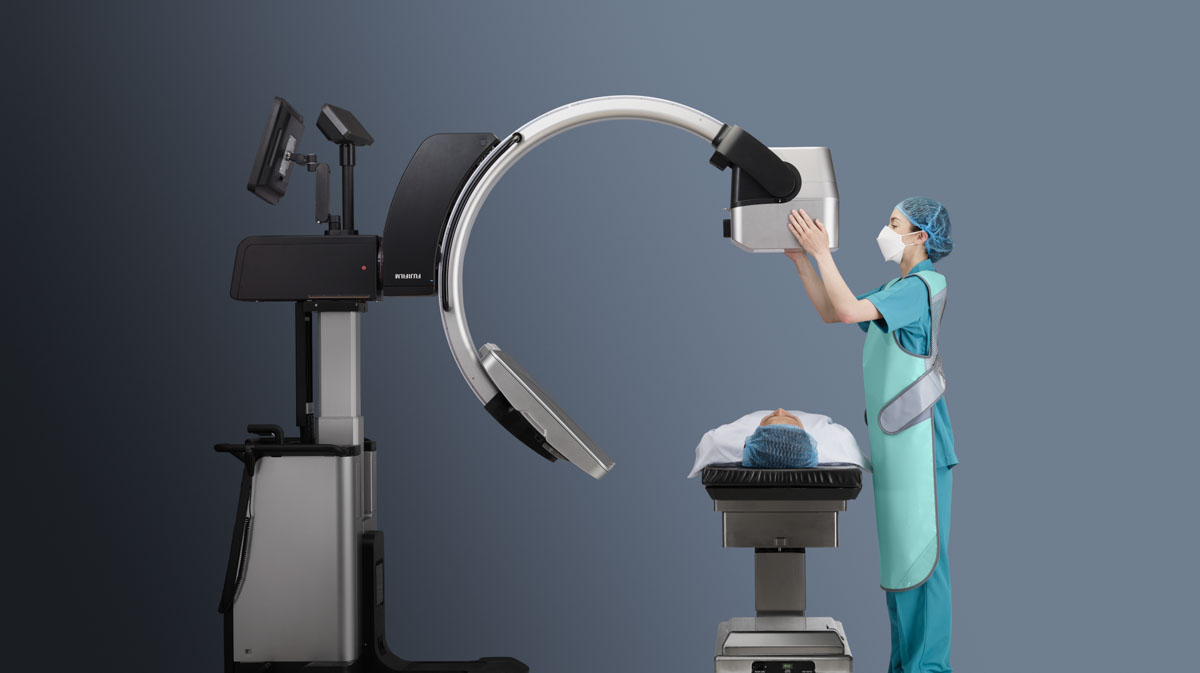
Also recognized were Fujifilm’s FDR ES II digital radiography detectors and the FDR Xair portable X-ray unit. Both stand out for their lightweight, user-friendly design, enabling advanced medical care even in challenging environments.
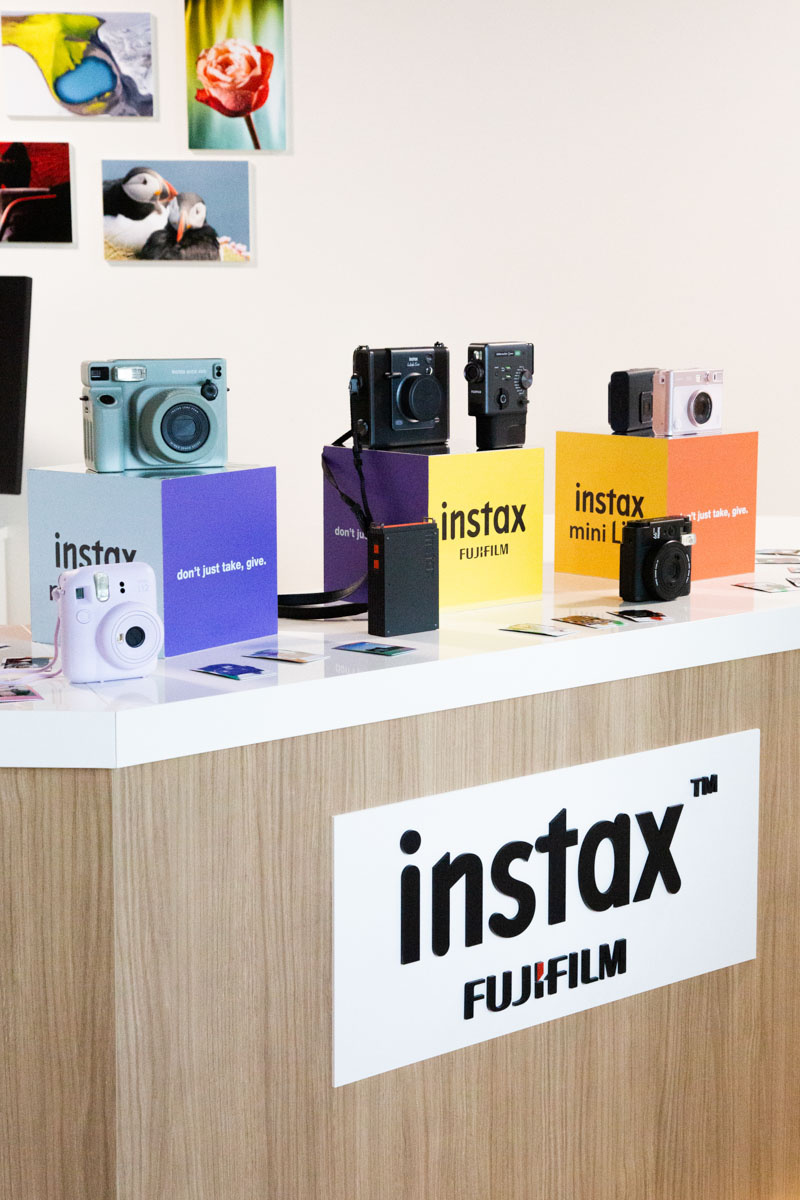
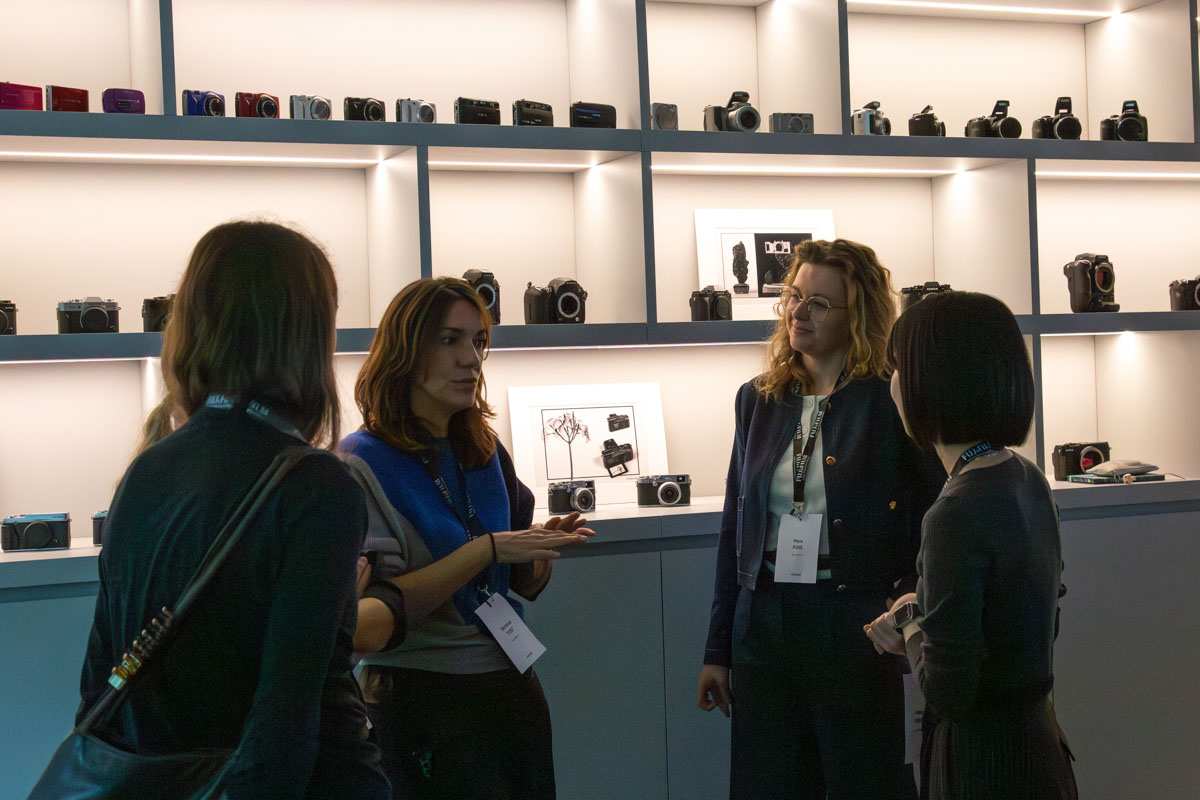
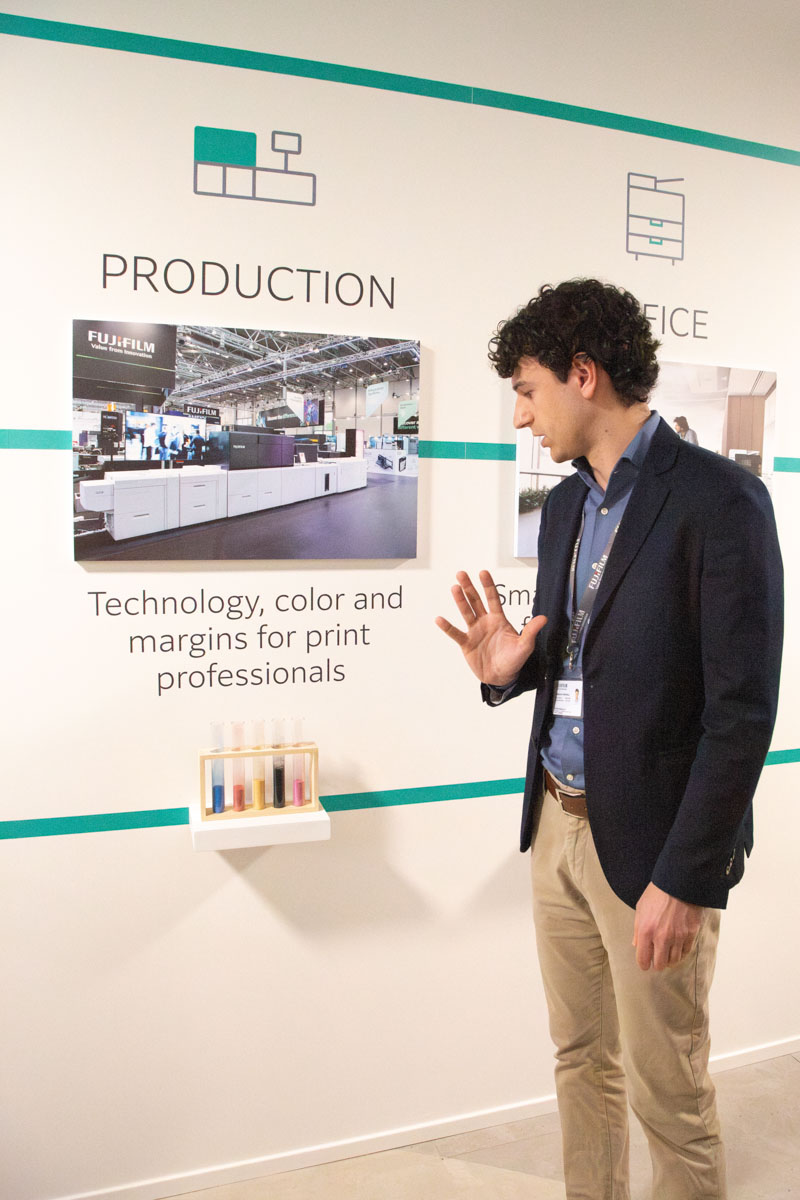
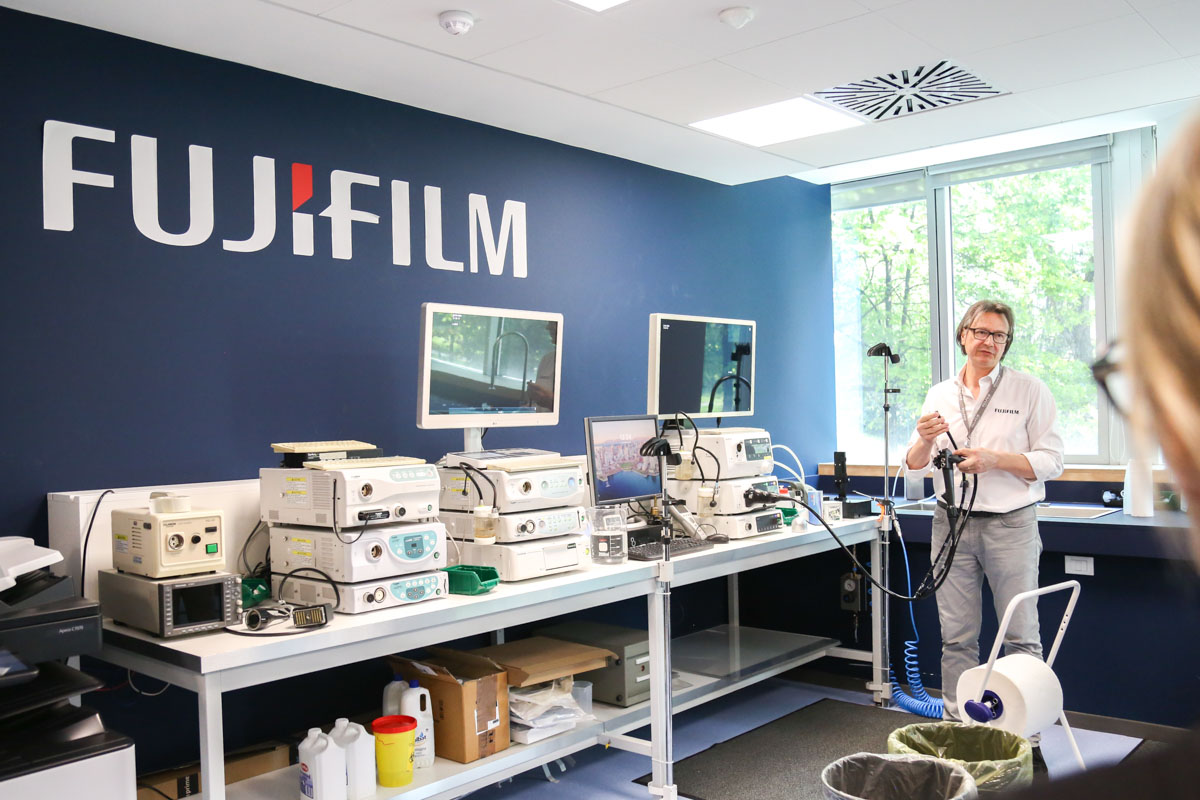
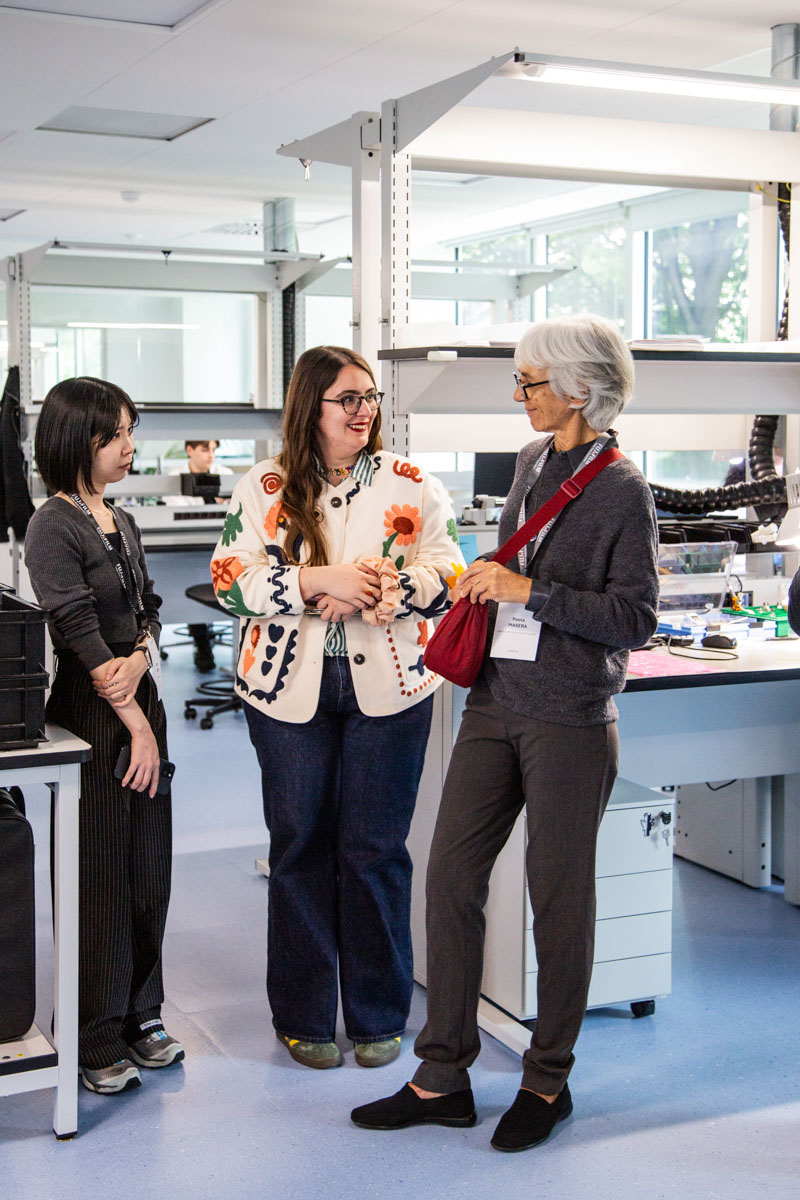
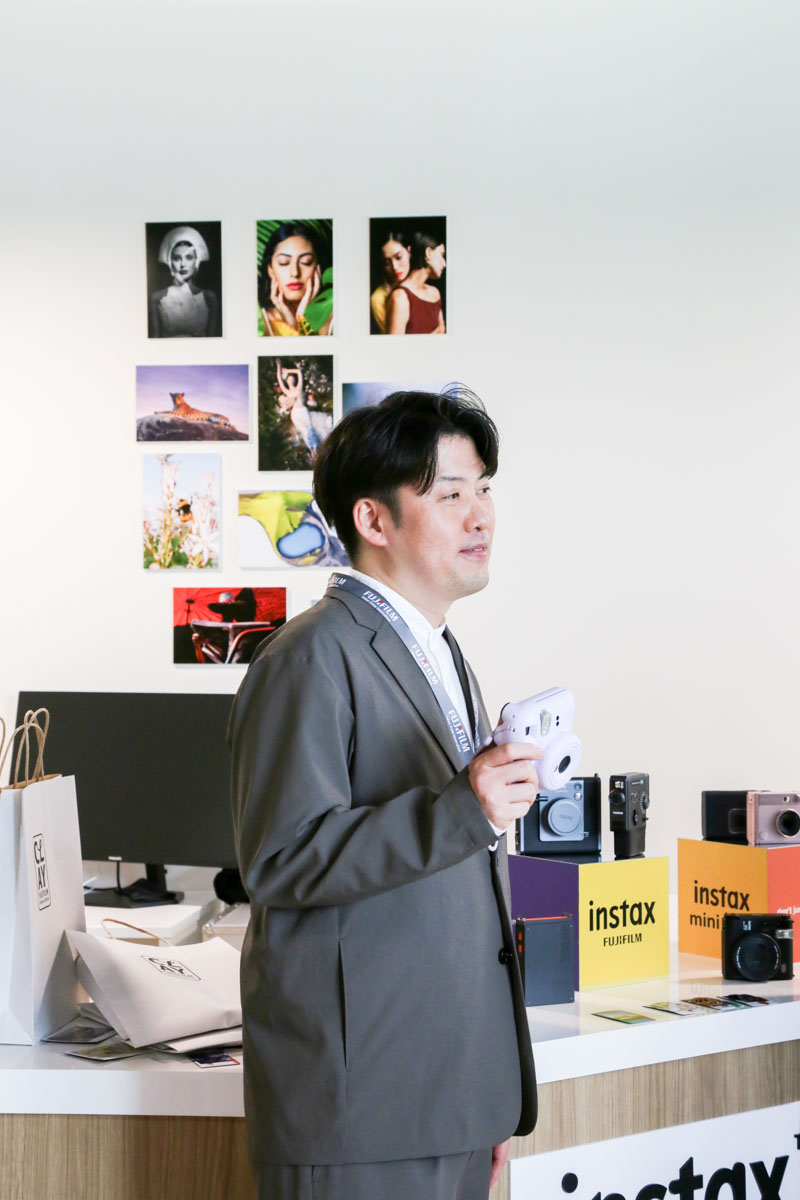
The program concluded with an immersive showroom tour, offering a hands-on exploration of Fujifilm’s latest innovations—from X-Series cameras and endoscopy solutions to multifunctional printers. The experience provided a final, tangible overview of how design, technology, and purpose come together across the company’s diverse portfolio.
With many new impressions and insights, and a goodie bag in hand as a small reminder of the experience, we eventually made our way back to the airport. A final thank you was shared for the open exchange, inspiring conversations, and the opportunity to gain such a close look into Fujifilm’s world of design and innovation, ending the visit in Milan with a smile.