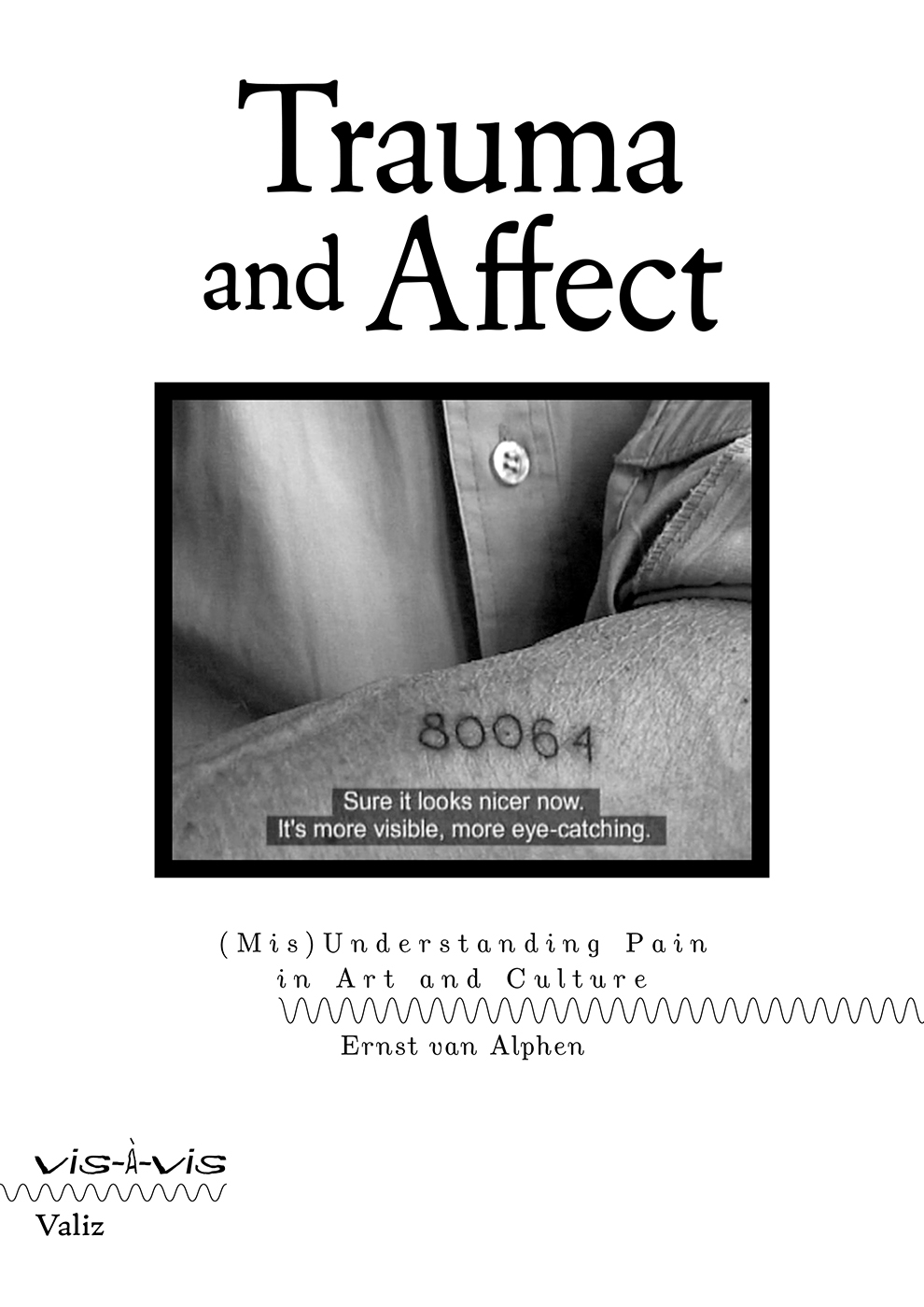
Trauma and Affect – (Mis)Understanding Pain in Art and Culture
Trauma and Affect: both concepts have become increasingly important in the critique of art, literature, and of culture in general, since the 1990s. In those years, a turn to trauma and a bit later also to affect took place. The concepts were being used in a great variety of ways, and in many disciplines and domains, such as queer studies, feminism, cultural analysis, art critique, literary studies and postcolonial studies, as well as in disciplines such as sociology, and even in economics. Although the gain of this turn to affect and trauma is interesting, it has also resulted in major confusion; the terms have been overused and exhausted, and thus lost their power.
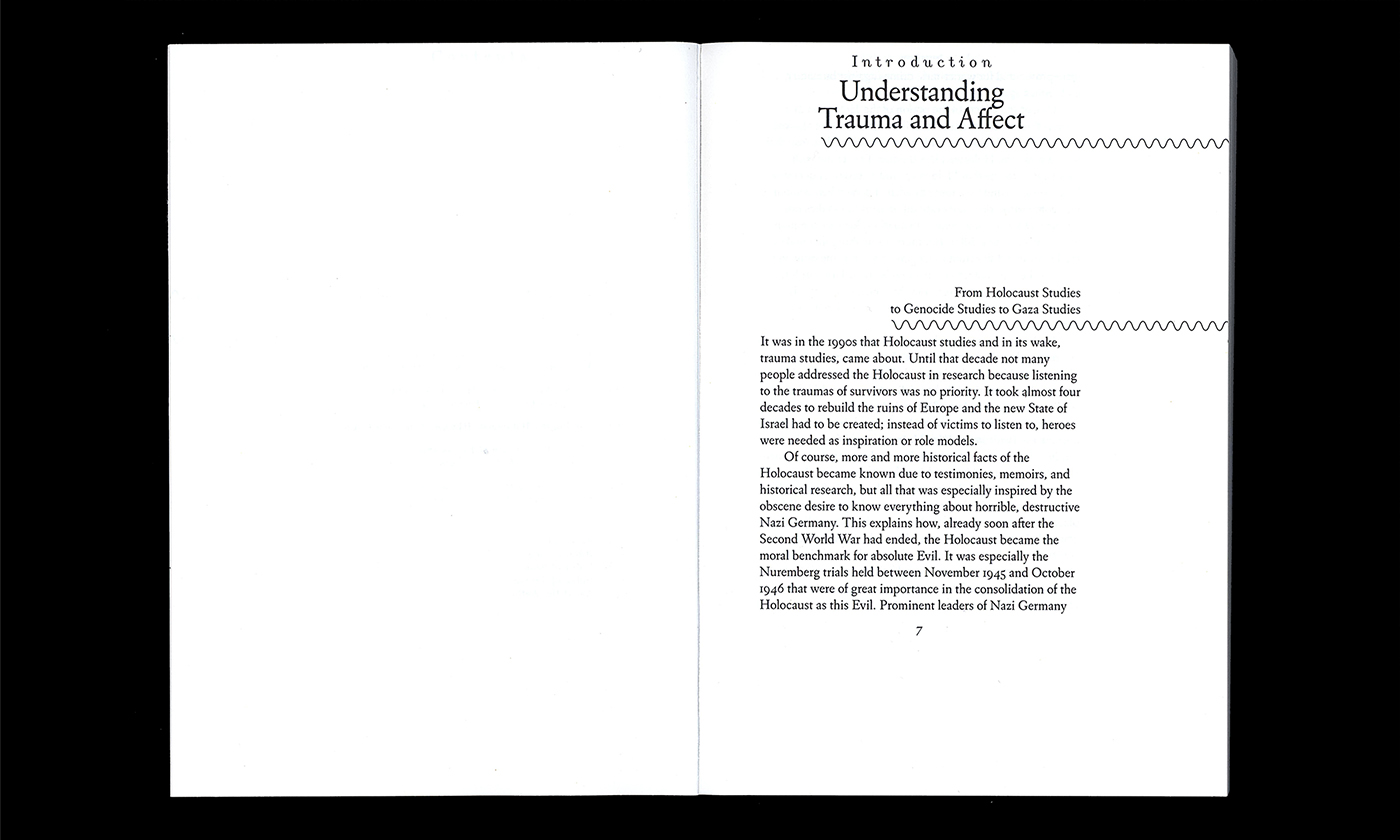
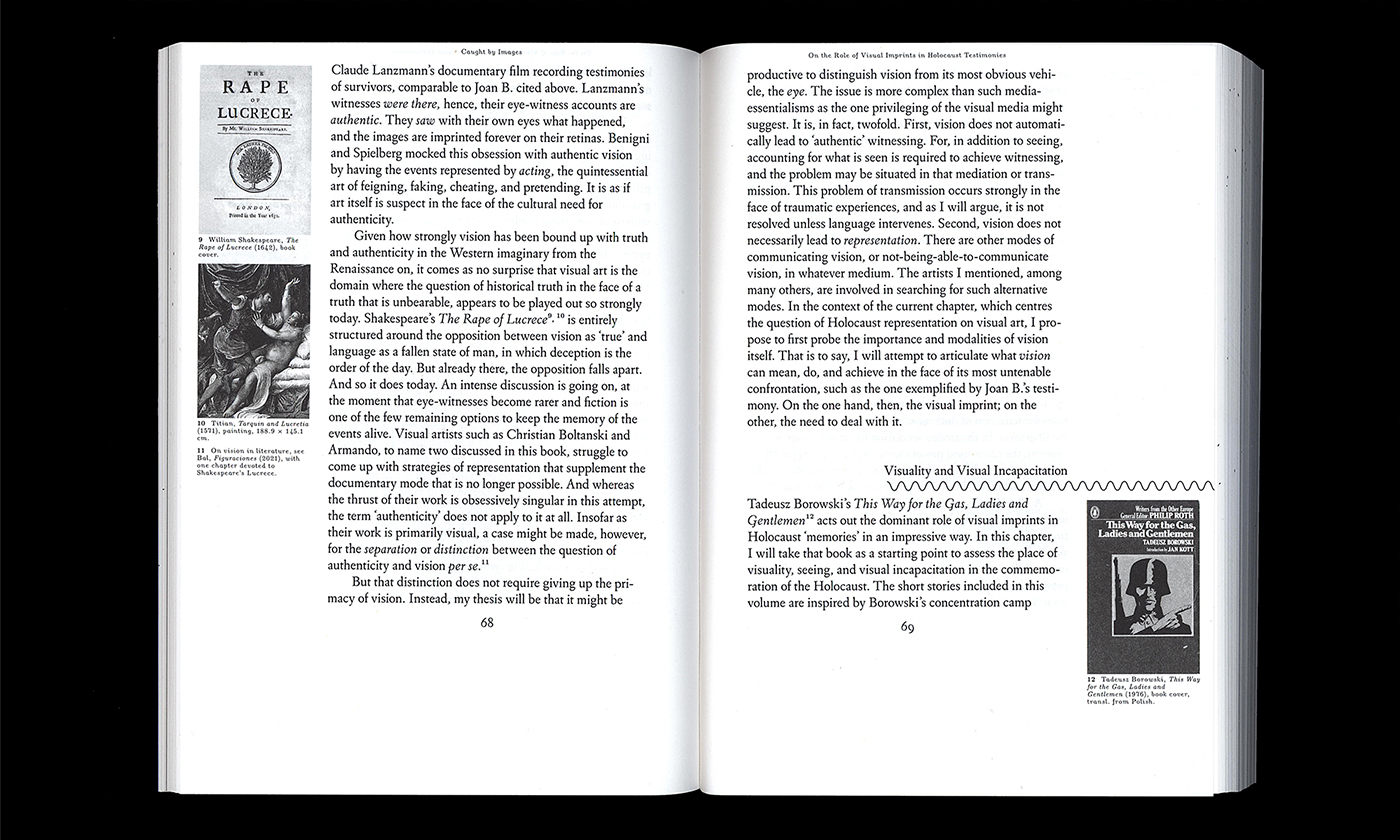
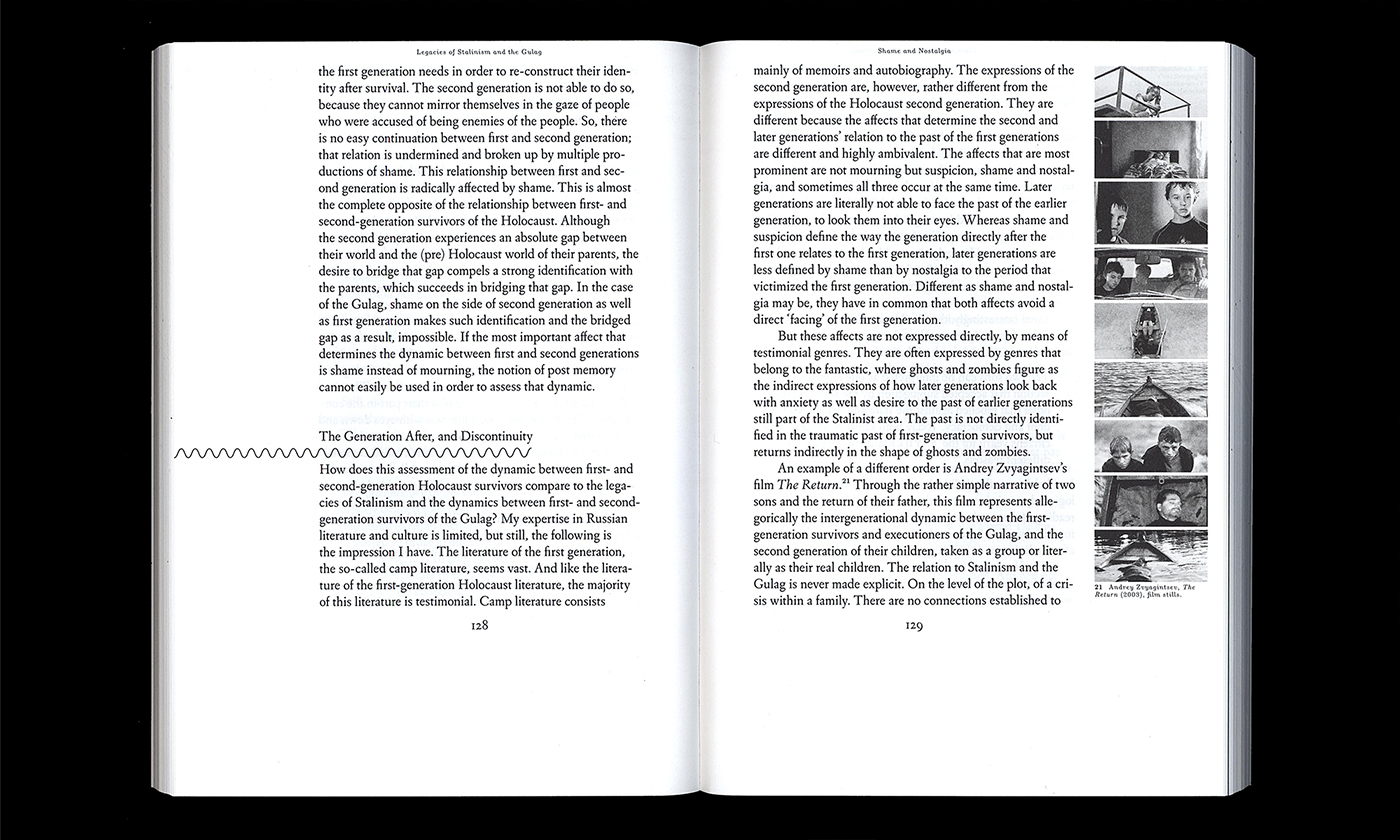
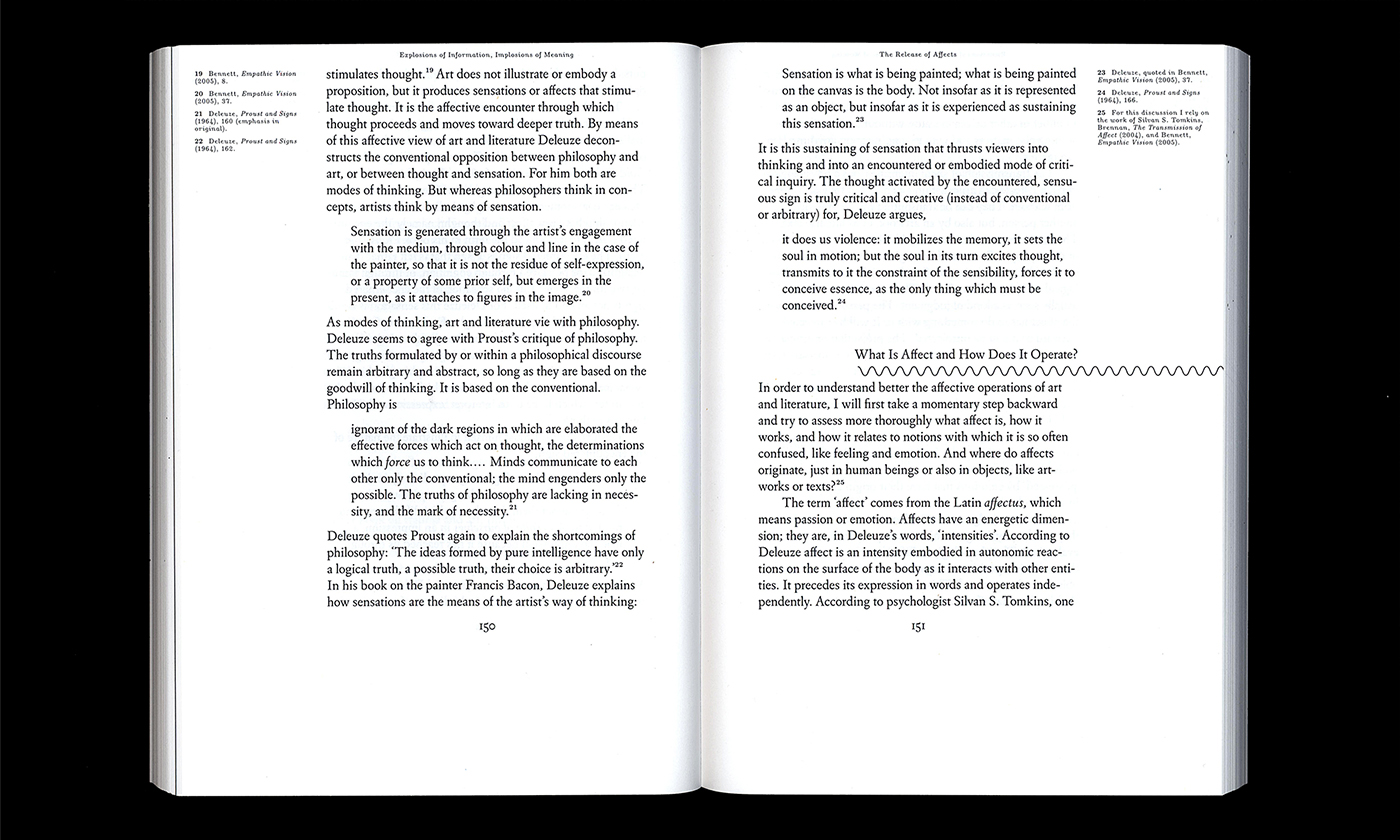
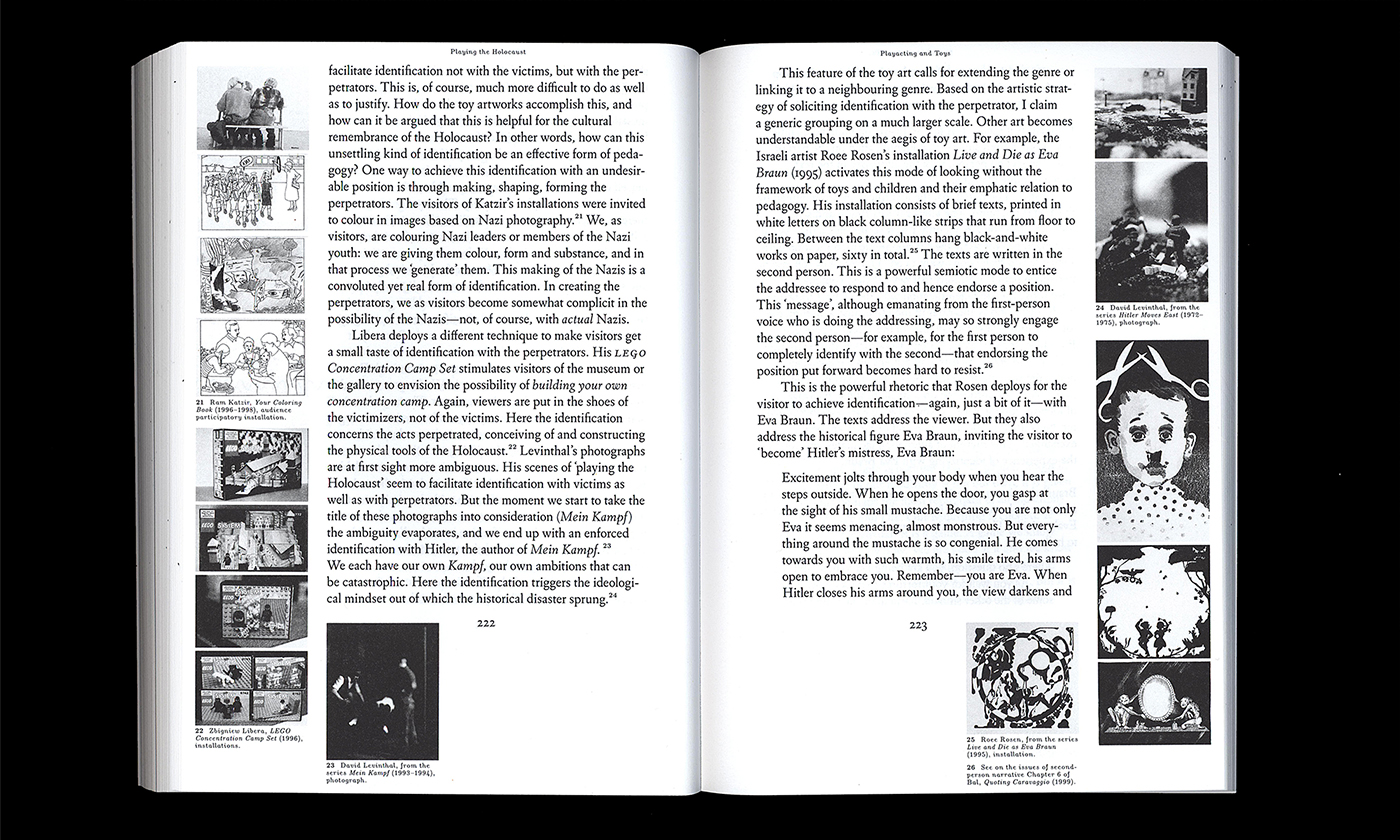
Ernst van Alphen looks at both trauma and affect through the lens of visual artworks and literature, drawing from many sources and disciplines. In the first part of this book, devoted to trauma, he explains how trauma originates in the past and what explains its re-enactment in the present. This assessment of trauma, of how it originates and manifests itself, is necessary in order to restore its critical power as a concept. The second part is devoted to the transmission of affect. In order to prompt reflection beyond affective responses that result in immediate strong emotions, he discusses artists who develop strategies that process affect into critical making and thinking.
Artists and writers discussed: Vasily Aksyonov, Armando, Francis Bacon, Christian Boltanski, Tadeusz Borowski, Dmitry Bykov, Charlotte Delbo, Carl Friedman, Yevgenia Ginzburg, Félix González-Torres, Eva Hoffman, Roni Horn, Ram Katzir, Zbigniew Libera, David Levinthal, Steve McQueen, Ronald Ophuis, Roee Rosen, Douglas Sirk, Andrew Wyeth, Artur Żmijewski, Andrey Zvyagintsev, and many others.
Valiz
Ernst van Alphen
Sam de Groot
March 2026
Paperback
288 pages
English
9789493246560
-
sold out
Slanted Non-Latin Special Issue – BABYLON
MAGMA Brand Design9.00 € -
sold out
Limited Warsaw Special Edition / Photo Essay + WARSCHAU Type Specimen + Rub-oFF Clan
Slanted Publishers15.00 € -
sold out
Slanted Magazine #25 – Paris
Slanted Publishers18.00 € -
sold out

Limited Athens Special Edition / Tote Bag + Photo Essay + Risograph Booklet
Slanted Publishers19.00 €